

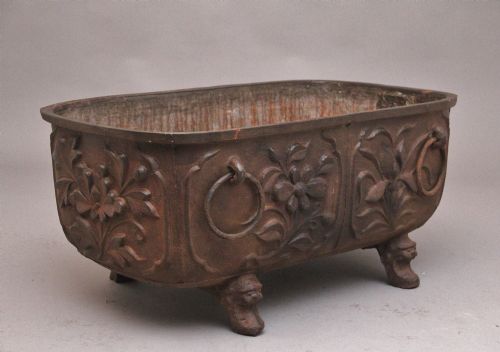
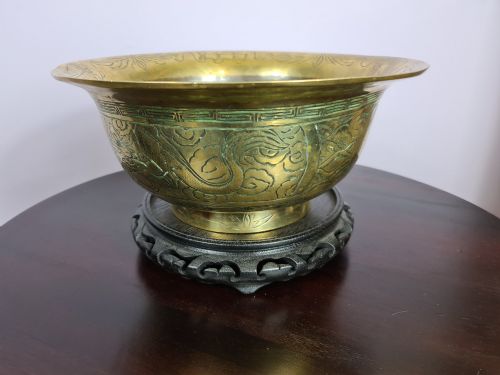
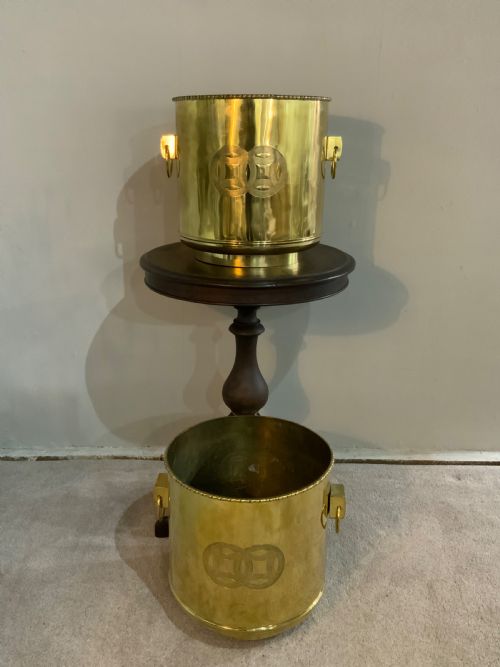


Chinese Metal Planter
A chinese metal planter brings weight and intricate ornamentation to a room, functioning as a commanding vessel for foliage or standing alone as a display piece.
Chinese Metal Planter
When searching for a chinese metal planter, collectors encounter heavy bronze, brass, and cast iron vessels designed to house plants or serve as decorative bowls. The selections on this page span the eighteenth, nineteenth, and early twentieth centuries, encompassing periods from the Georgian era through the Qing Dynasty and Victorian Chinoiserie styles.
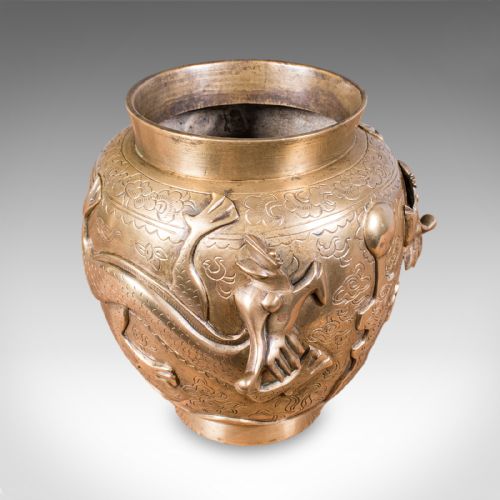
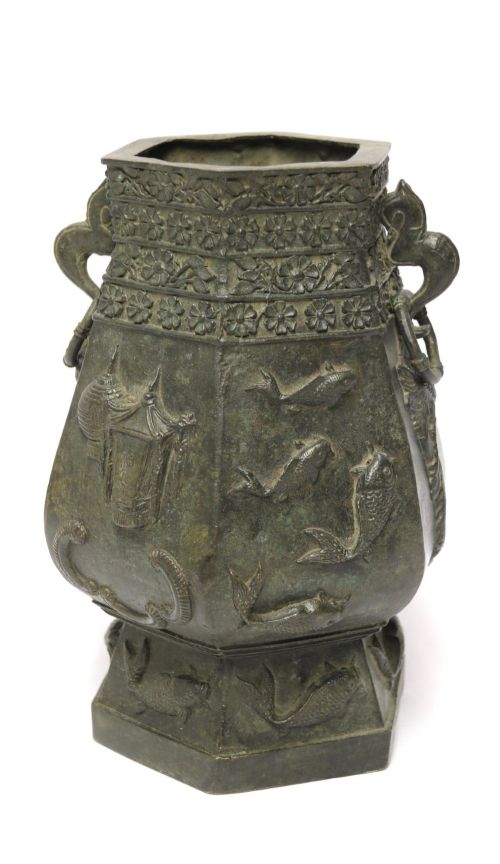
The primary forms take shape as jardinieres, cachepots, trough planters, and flower urns, often featuring hexagonal profiles or substantial circular bodies. Examples range from small desk pots to large, heavy bronze bowls and temple baths equipped with script and dragon motifs.
How they were made
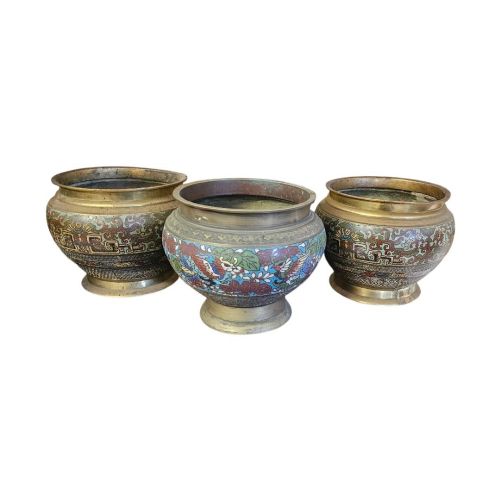
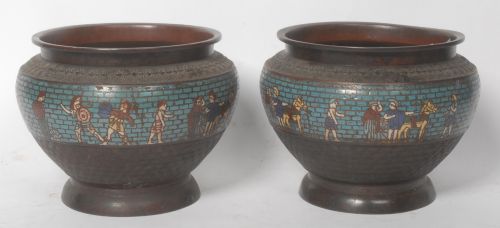
The construction relies heavily on durable metalworking techniques, utilising cast bronze, brass, iron, and zinc. Many vessels incorporate champlevé and cloisonné enamel work, embedding coloured glass pastes into recessed metal cells or wire compartments before firing and polishing.
Makers shaped these heavy metals through casting and sectional assembly, sometimes pairing the primary metal body with wood stands or interior zinc linings. Surface decoration frequently includes applied motifs, raised script, and detailed chased patterns.
Chinese Metal Planter Retail Price Guide 2026
Typical asking prices for chinese metal planter among the pieces listed under this phrase on Sellingantiques today, from the lower quarter to the upper quarter. They describe what is for sale here now, not the wider market.
Listings feature bronze, brass, cast iron, and zinc, spanning the Georgian, Victorian, and Qing Dynasty periods through to the 1930s.
What varies in quality
Quality separates pieces through the crispness of the casting and the precision of the enamel work. Superior examples display deeply struck motifs, well-defined dragon details, and neatly fused champlevé enamel without gaps or uneven pooling.
Weight and material thickness also define the upper tier of these objects. Heavier bronze vessels and substantial pairs demonstrate superior metal reserves and robust structural integrity compared to lighter, plain brass bowls.
The Chinese Metal Planter Glossary
- Jardiniere
- A large ornamental pot or stand for holding plants or flowers. These vessels often sit directly on the floor or on dedicated wooden stands.
- Champleve
- An enamelling technique where trenches are carved into the metal surface and filled with vitreous enamel before firing. This method creates bold coloured designs bordered by thin metal lines.
- Cachepot
- An ornamental container used to conceal an ordinary flower pot. They protect furniture surfaces from moisture and elevate the appearance of indoor plants.
- Cloisonne
- A decorative metalwork method where thin wires are soldered to a metal base to form compartments filled with enamel paste. The piece is then fired and polished to a smooth finish.
- Hu vase
- A traditional vessel form derived from ancient Chinese ritual bronzes featuring a pear-shaped body and a secure foot. They often serve as display urns or decorative flower pots.
Chinese Metal Planter: Frequently Asked Questions
How do I use a metal planter safely indoors?
Place a plastic liner or saucer inside the metal vessel to catch excess water and prevent moisture damage to the interior base. Zinc-lined troughs and heavy bronze bowls handle damp soil well, but protecting the metal preserves the finish over time.
Keep the planter away from direct, standing water and wipe the exterior dry after watering your plants. This prevents mineral deposits from forming on the bronze or brass surface.
What is the difference between a jardiniere and a cachepot?
A jardiniere is typically a larger, freestanding ornamental vessel planted directly or holding multiple pots. They frequently feature heavy cast bronze or iron construction designed to anchor a prominent corner of a room.
Cachepots are generally smaller decorative sleeves meant to hide utilitarian plant pots. They focus more on tabletop display and detailed enamel work.
How do I distinguish Qing Dynasty pieces from Victorian adaptations?
Qing Dynasty and Chinese Export pieces often display traditional motifs like dragons and specific imperial markers alongside champlevé or canton enamel work. Their metal patination typically shows deeper age and traditional casting methods.
Victorian Chinoiserie and Orientalism items reflect European interpretations of Asian aesthetics popular during the nineteenth century. These pieces combine Western display conventions with Eastern decorative vocabulary.
Can these metal planters stay outside in the garden?
While cast iron temple baths and heavy bronze vessels tolerate outdoor conditions, prolonged exposure to winter frost can stress enamel insets and soldered joints. Most antique pieces benefit from sheltered patio placement or indoor display.
Enamelled surfaces require protection from harsh weather to keep the glass paste secure within the metal cells. Moving them indoors during freezing months prevents structural cracking.