



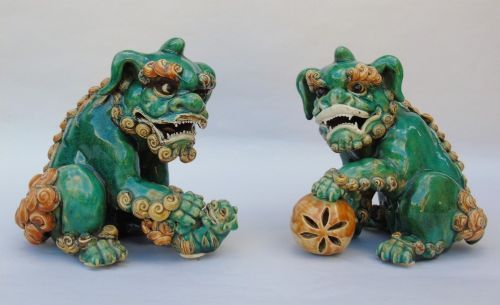


Chinese Guardian Figure
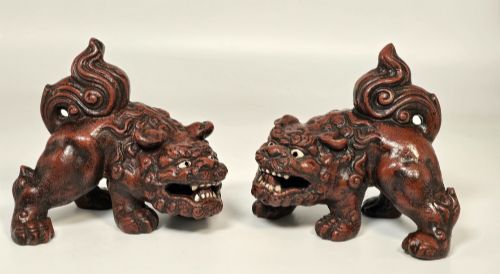
These pieces are a chinese guardian figure, crafted to ward off malevolent spirits and command attention in any room.
Chinese Guardian Figure
A chinese guardian figure encompasses powerful temple lions, temple guards, and mythical beasts originating from various dynasties and centuries. Buyers searching for this phrase encounter a diverse assortment of ceramic sculptures, wooden carvings, and bronze temple lions designed to protect sacred spaces.
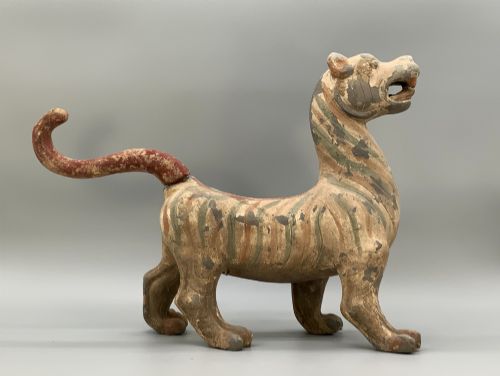
The selections available range from pottery Buddhist lions dated around nineteen hundred to older Han dynasty painted pottery and monumental nineteenth-century temple guardians. Each object serves as a striking focal point, whether cast in bronze, carved from hardwood, or shaped from earthenware.
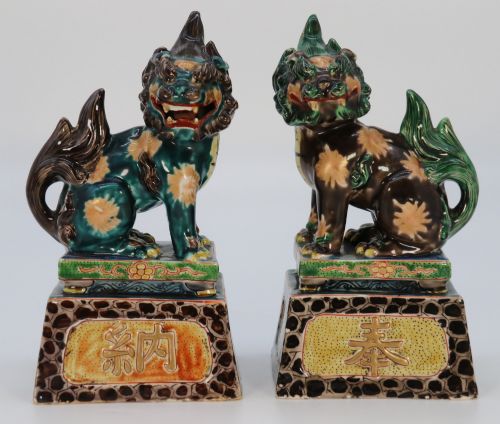
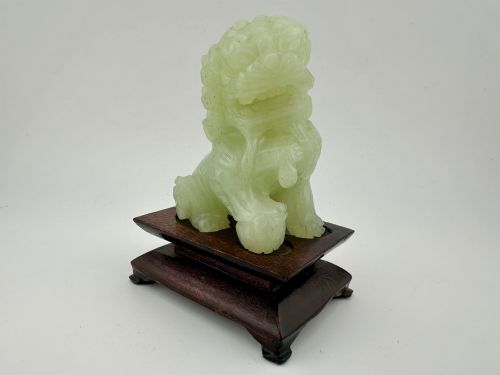
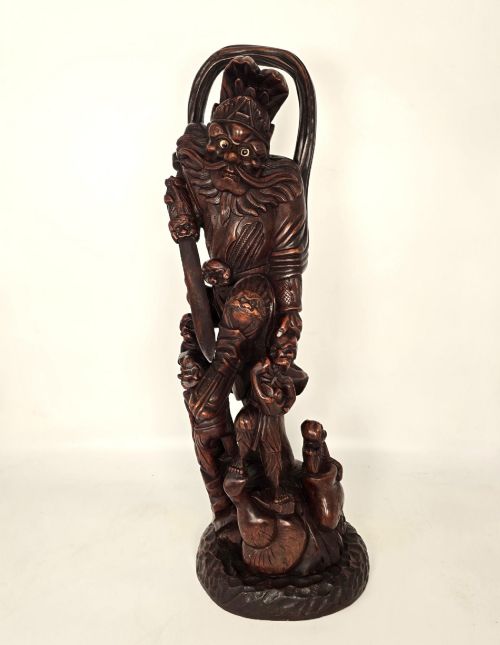
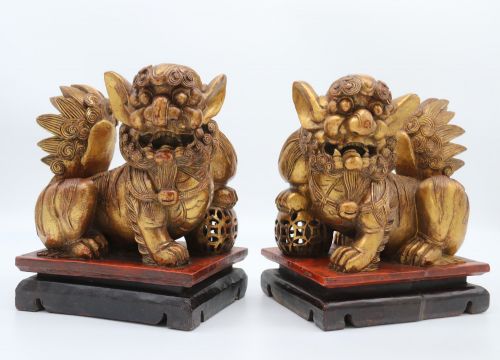
Traditional forms include pairs of foo dogs, shishi figures, and Lokapala guardian kings standing resolute in carved wood, jade, and glazed porcelain. These sculptures reflect deep cultural traditions and meticulous craftsmanship passed down through generations.
Materials and Techniques
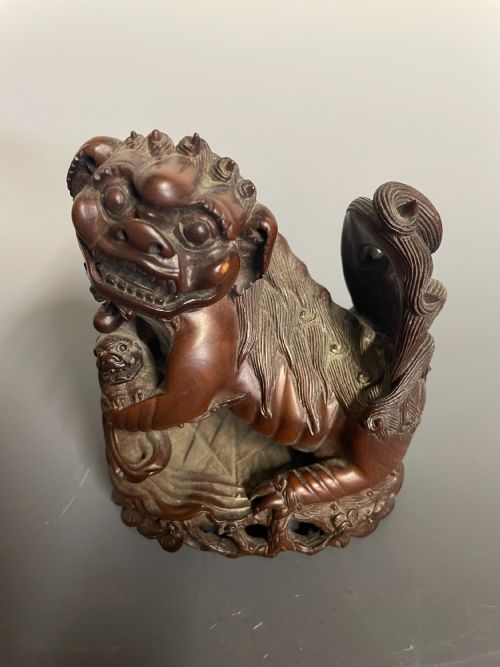
Artisans employed a broad spectrum of materials, notably carved hardwood, boxwood, root wood, and gilt or polychrome wood. Sculptors also worked extensively with bronze, brass, soapstone, and jade hardstone to achieve intricate detail.
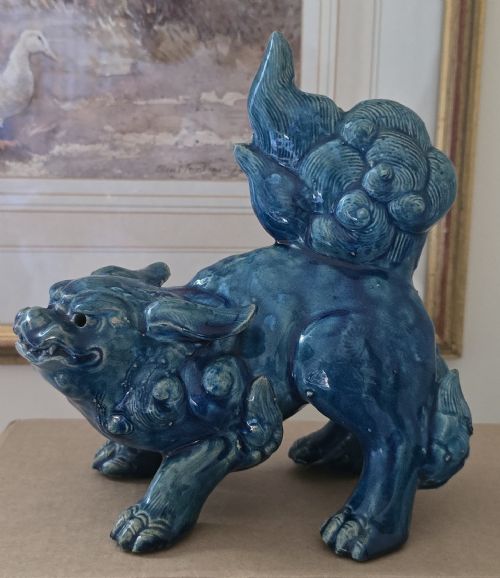
Ceramic and pottery pieces feature glazes such as turquoise, sancai, and pale green porcelain enamel. Carvers and founders applied lacquer, gilding, and paint to wood and pottery surfaces to enhance the visual impact of the guardian figures.
Chinese Guardian Figure Retail Price Guide 2026
Typical asking prices for chinese guardian figure among the pieces listed under this phrase on Sellingantiques today, from the lower quarter to the upper quarter. They describe what is for sale here now, not the wider market.
One remarkably heavy pair tips the scales at thirty-five kilograms, proving that fierce guardians take their weight seriously.
Assessing Quality and Execution
Quality rests in the anatomical precision of the carving, the crispness of the casting, and the preservation of original polychrome, glaze, or gilding. Superior examples exhibit fluid movement, confident expression, and careful proportion that animate the mythical beast.
The choice of material heavily dictates the character of the piece, where monumental wood carvings or heavy bronze castings require exceptional technical mastery. Finer items demonstrate deliberate tool marks or controlled kiln firings rather than rushed mass production.
The Chinese Guardian Figure Glossary
- Sancai
- A three-colour ceramic glaze technique prominent in Chinese pottery. This method utilises lead-based glazes in amber, green, and creamy white.
- Lokapala
- A celestial guardian king depicted in monumental sculpture. These figures are typically shown armor-clad to defend the four cardinal directions.
- Shiwan
- A style of Chinese pottery known for expressive figurative ceramics and rich glazes. Pieces from this kilns group often display dynamic modelling.
Chinese Guardian Figure: Frequently Asked Questions
What is a chinese guardian figure?
A chinese guardian figure is a protective sculpture, often depicting a lion, dog of fo, or celestial king, historically placed at entrances to ward off evil.
These sculptures draw upon centuries of symbolic tradition across various dynasties and stylistic periods.
Where were they originally placed?
Such figures stood outside temple gates, imperial tombs, and domestic thresholds to provide spiritual defence and project authority.
Smaller versions eventually found places within scholar studies and wealthy interiors as decorative and auspicious objects.
How do I style a guardian figure at home?
Pair large bronzes or monumental wood carvings on sturdy pedestals or use ceramic pairs to anchor a mantlepiece.
Smaller soapstone or boxwood examples sit comfortably on bookshelves or desks as sculptural bookends and focal points.
How do I tell different periods apart?
Dating relies upon material composition, glaze characteristics, and stylistic traits associated with specific eras like the Han or Qing dynasties.
Examination of tool marks, wear patterns, and the specific iconography of the beast helps establish the age of the piece.