

Chinese Furniture
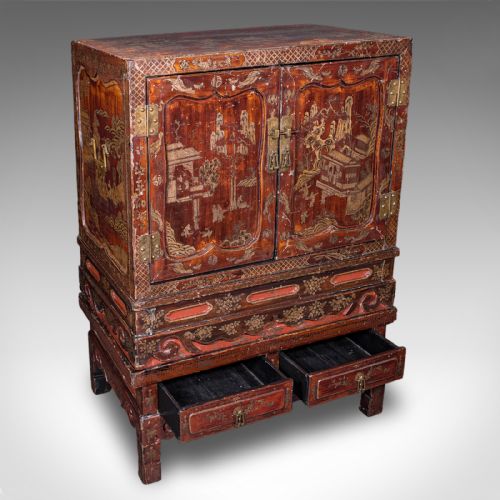
Chinese furniture brings solid timbers and deep red lacquerwork together in seating, cabinets and low tables that anchor a room with calm authority.
Chinese Furniture
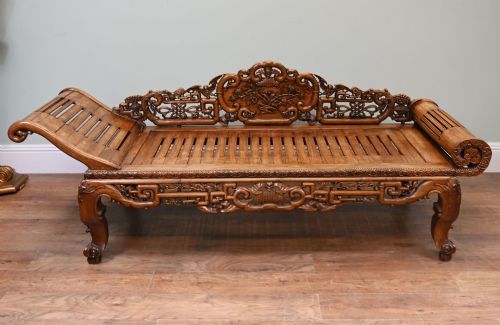
Chinese furniture encompasses utilitarian forms and ceremonial pieces scaled for traditional interiors, ranging from modest elm stools to substantial rosewood wedding cabinets. Buyers seeking this phrase encounter seating, low tables and storage units designed with clean lines and balanced proportions.
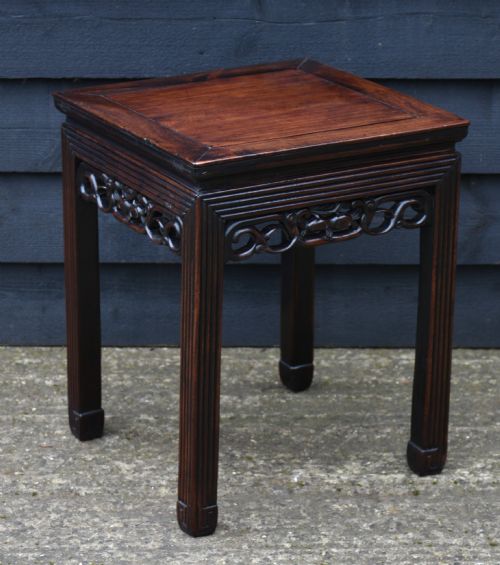
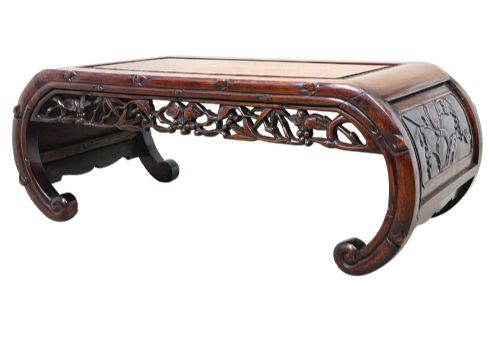
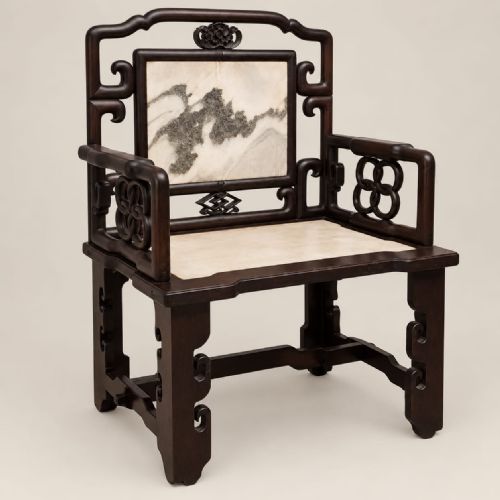
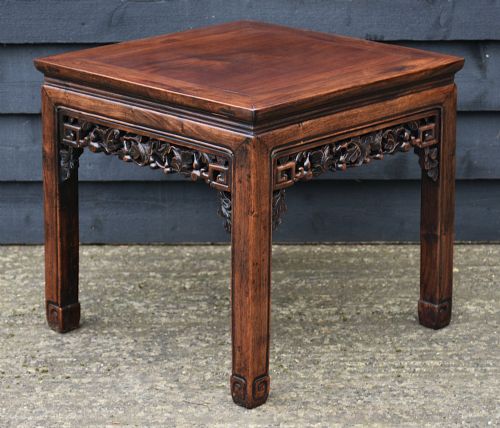
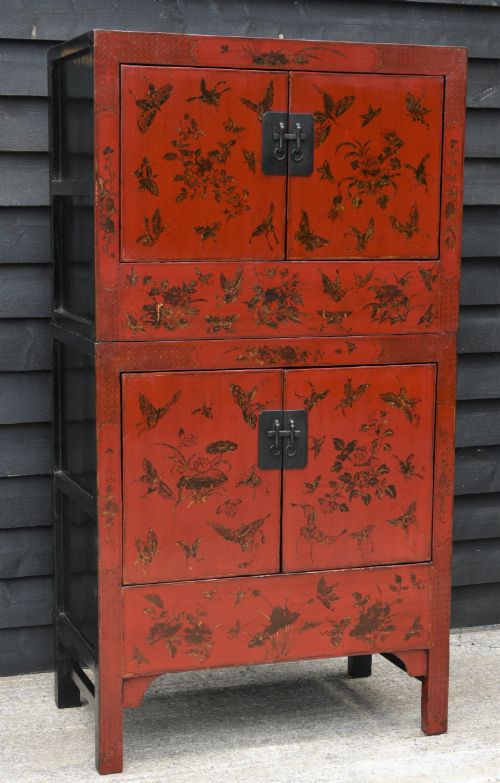
The selections span distinct periods, featuring pieces originating in the Qing dynasty alongside later export items and provincial works. Common forms include horseshoe-back armchairs, nests of tables, altar tables and multi-tiered cabinets.
Regional workshops produced specific forms tailored to domestic rituals and daily use, utilising local timber and traditional joinery. These historical items bring functional utility and decorative presence to modern spaces.
Materials and construction
Construction relies heavily on dense hardwoods such as rosewood, hongmu and elm, joined through complex mortise and tenon systems that operate without metal nails. This traditional joinery allows the timber to expand and contract naturally with changes in humidity.
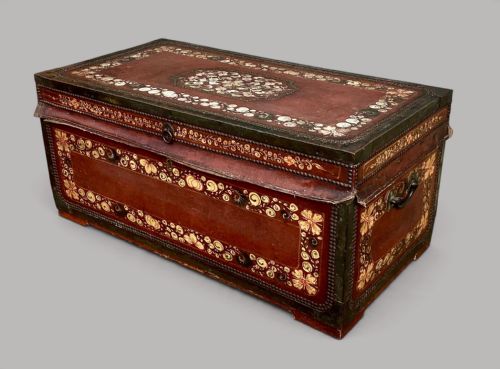
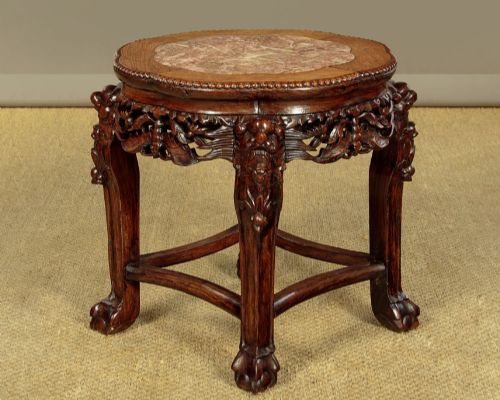
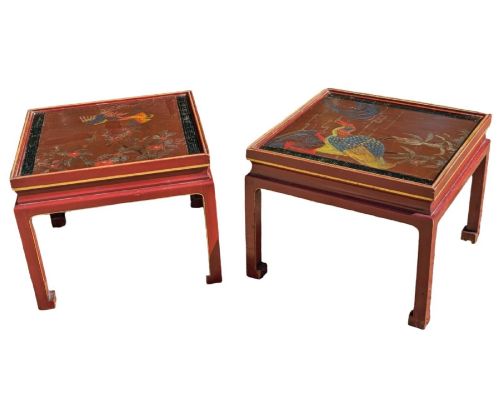
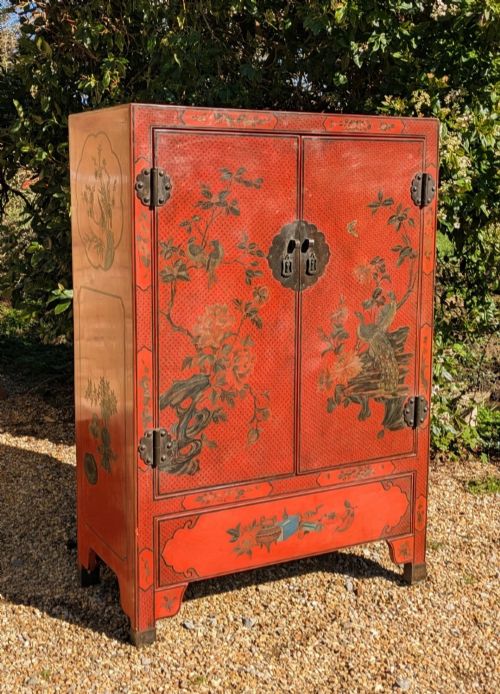
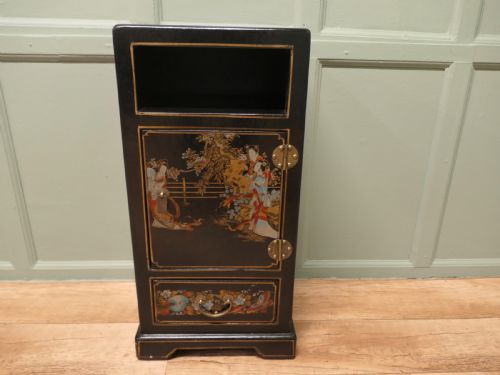
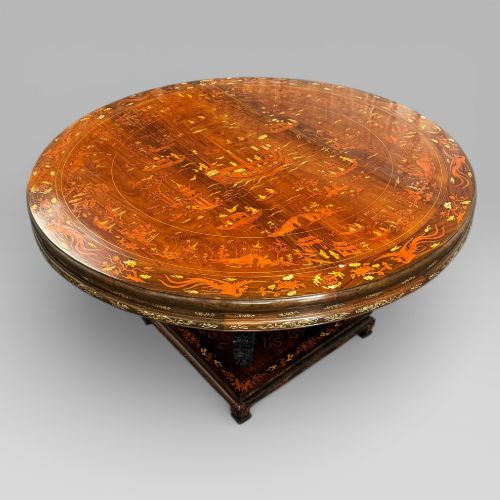
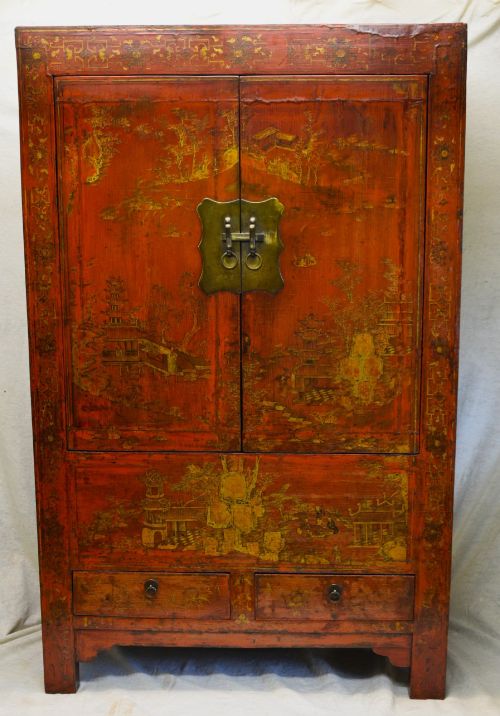
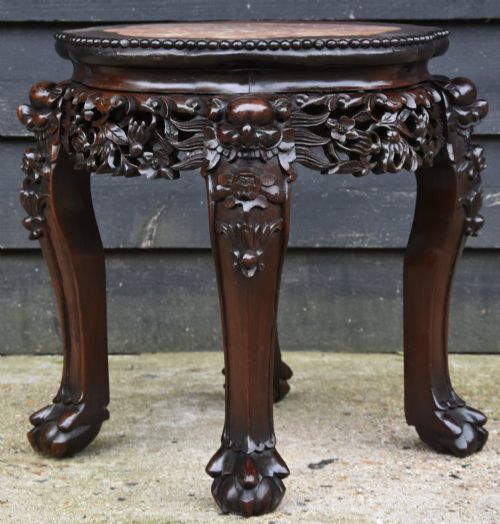
Surfaces receive layered applications of natural lacquer or painted decoration, sometimes enriched with gold leaf, bone inlay or inset marble panels. These decorative finishes protect the underlying wood while providing rich colour and visual texture.
Chinese Furniture Retail Price Guide 2026
Typical asking prices for chinese furniture among the pieces listed under this phrase on Sellingantiques today, from the lower quarter to the upper quarter. They describe what is for sale here now, not the wider market.
Evaluating quality and execution
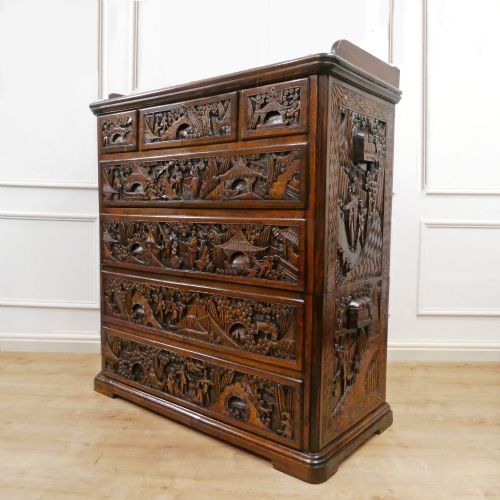
Quality rests in the precision of the joinery and the depth of the carved detail on structural members. Finer examples display crisp carving that remains sharp across high-wear areas and panels that retain their original finish.
The selection of timber significantly impacts the standing of a piece, with dense grain and uniform colour marking superior examples. Integration of decorative elements such as bone inlay or marble tops should appear balanced and secure within the frame.
Edwards & Roberts
The Chinese Furniture Glossary
- Hongmu
- A dense, dark tropical hardwood favoured for high-status Chinese furniture. This durable timber translates to heavy, robust frames with natural polish.
- Lacquer
- A durable resin applied in multiple thin coats to wooden surfaces. It cures to a hard, smooth finish that resists moisture and wear.
- Chinoiserie
- European decorative style imitating Chinese artistic motifs. Artisans applied these painted scenes to cabinets, tables and screens.
- Yoke-back
- A chair design featuring a crest rail shaped like a traditional carrying yoke. The curved top provides comfortable support for the user.
- Altar table
- A long, narrow table traditionally used for ceremonial displays in ancestral halls. These pieces feature upturned flanges at the short ends.
Chinese Furniture: Frequently Asked Questions
What is Chinese furniture made of?
Pieces are constructed from native timbers including elm, rosewood and hongmu, paired with brass hardware and marble inserts. Surfaces frequently feature red or black lacquer finishes.
These materials provided the structural strength and stable foundation required for daily household use and ceremonial display.
How do I date Chinese furniture?
Dating relies on stylistic markers associated with dynastic periods, such as the robust carvings of the Qing era or the cleaner lines of later decades. Construction methods and wear patterns also assist in placing a piece within the nineteenth or early twentieth century.
Examination of the finish and timber shrinkage offers further clues to the age of the item.
Where were these pieces used?
Items served practical roles throughout traditional households, from storage cabinets in bedchambers to seating in reception halls and low tables for tea service. Altar tables occupied prominent positions for displays and rituals.
Today, these versatile forms adapt readily to contemporary living spaces as focal points or functional storage.
How do I care for lacquer furniture?
Lacquer surfaces require protection from direct sunlight and extreme humidity fluctuations to prevent cracking or fading. Dusting with a soft, dry cloth is sufficient for routine maintenance.
Avoid chemical polishes and abrasive cleaners that can damage the delicate historical finish.