


Chinese Floral Jar
A Chinese floral jar brings painted blossoms and intricate motifs into a room, offering both decorative presence and historical depth.
Chinese Floral Jar
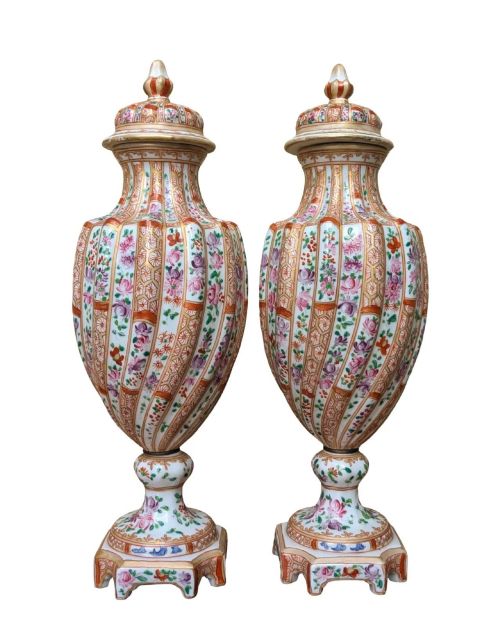
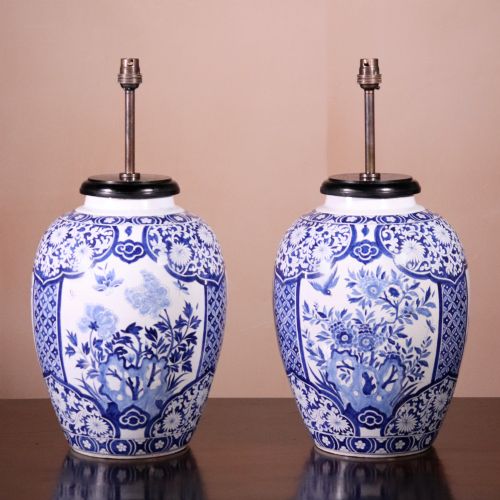
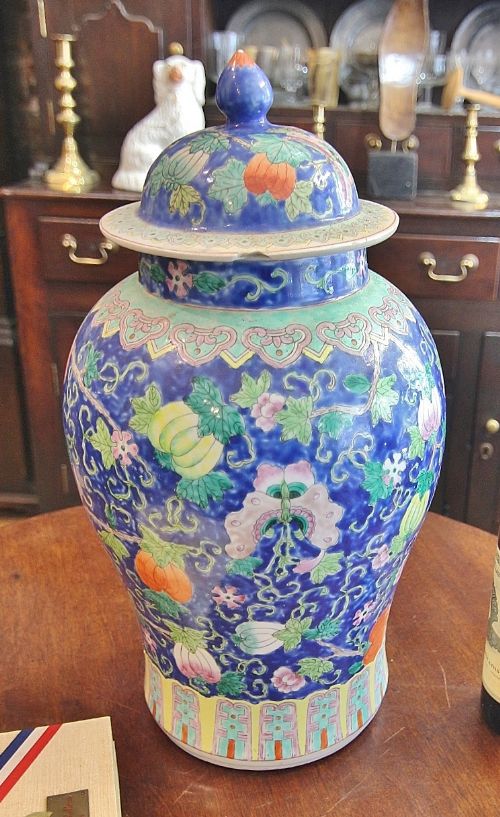
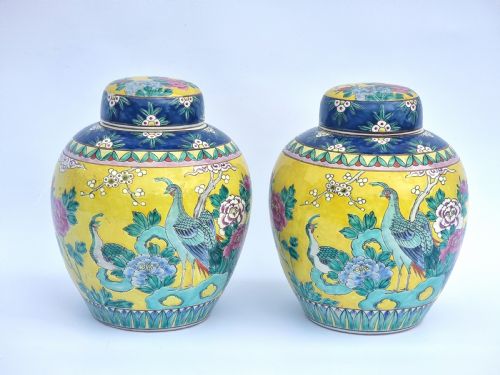
A Chinese floral jar is typically a porcelain vessel decorated with botanical motifs, often taking the form of ginger jars, lidded urns, or table lamps. These pieces range from eighteenth-century examples to twentieth-century interpretations.
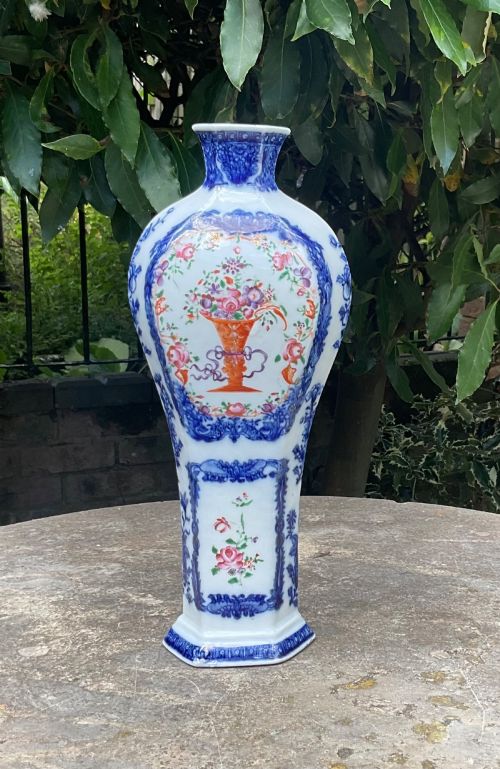
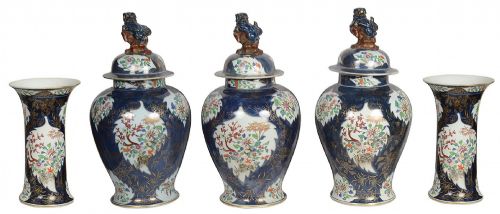
The versions most commonly met on this page include nineteenth-century ginger jars and lidded vases featuring polychrome enamel palettes or blue and white pigments. Many incorporate applied or converted elements such as ormolu mounts or electrical fittings.
Origins span various periods, including the Qing Dynasty, the Republic Period, and later twentieth-century production. European interpretations in the Chinese style also appear alongside traditional oriental pieces.
How they were made
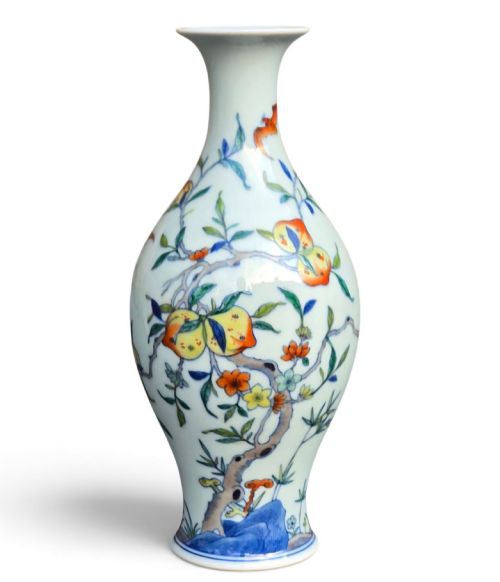
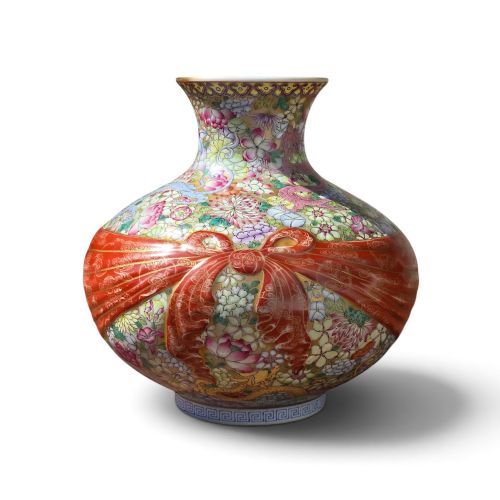
Porcelain serves as the primary substrate, shaped and fired before receiving hand-painted designs in underglaze blue or overglaze enamel colours. Artisans apply intricate details such as millefleurs patterns, peach motifs, and dragons using fine brushes.
Metalwork and cloisonne techniques also appear in the evidence, utilising brass and copper wire to partition enamel fields on vase surfaces. Carved red cinnabar lacquer provides an alternative tactile surface built up in numerous layers.
Secondary materials include wood bases, fabric shades on lamp adaptations, and gold leaf highlights. Ormolu mounts secure certain nineteenth-century examples intended for European drawing rooms.
Several jars double as lamps, proving that even a seventeenth-century spice storage solution can find a bright second career.
What varies in quality
The precision and delicacy of the hand-painted brushwork separate standard production from superior pieces. Fine examples display controlled lines and subtle tonal gradations in enamel palettes like Famille Rose and Famille Verte.
The crispness of form and the integration of decorative elements dictate the overall success of a jar. Pieces with well-defined seal marks, balanced proportions, and careful mounting demonstrate superior workshop standards.
Edme Samson
The Chinese Floral Jar Glossary
- Famille Rose
- A major palette of Chinese ceramic glazes introduced in the eighteenth century, distinguished by opaque pink or rose enamel colours. It allowed artists to render soft shading on floral and figurative subjects.
- Cloisonne
- An enamelling technique where metal wire creates raised compartments on a copper or brass base, which are then filled with coloured paste and fired. This method produces vivid patterns across lidded vases and jars.
- Ginger Jar
- A broad-shouldered ceramic vessel with a domed lid, originally manufactured to store spices and herbs. Later examples serve primarily as decorative ornaments or lamp bases.
- Cinnabar Lacquer
- A technique involving multiple layers of red mineral lacquer applied to a core and subsequently carved with intricate designs. It yields a rich, tactile surface with deep relief.
- Millefleurs
- A dense decorative pattern composed of countless individual flowers completely covering the background. It demands immense patience and skill from the painter.
Chinese Floral Jar: Frequently Asked Questions
What is a Chinese floral jar?
A Chinese floral jar is a ceramic or cloisonne vessel adorned with botanical designs, encompassing ginger jars, lidded urns, and vases.
Many of these vessels were originally created to hold dry goods or liquids, while others were made expressly for export and decorative display.
How were ginger jars used?
Ginger jars served primarily as storage containers for spices, salt, and oil in traditional households.
Over time, Western interiors adopted them as ornamental mantelpiece items, and twentieth-century conversions frequently transformed them into table lamps.
How do I identify periods?
Period identification relies on stylistic cues, potting techniques, and specific pigment characteristics associated with dynasties such as the Qing or the Republic Period.
Underglaze blue seal marks and specific enamel palettes also offer clues to the approximate decade of manufacture.
How do I live with lamp conversions?
Jar lamps combine antique ceramic bodies with modern electrical wiring and fabric shades, offering functional lighting alongside historical character.
They sit comfortably on side tables or consoles, introducing colour and pattern to contemporary living spaces without requiring dedicated display cabinets.