



Chinese Floral Dish
A Chinese floral dish brings centuries of ceramic artistry to your table, combining delicate hand-painted motifs with the timeless durability of fine porcelain.
Chinese Floral Dish
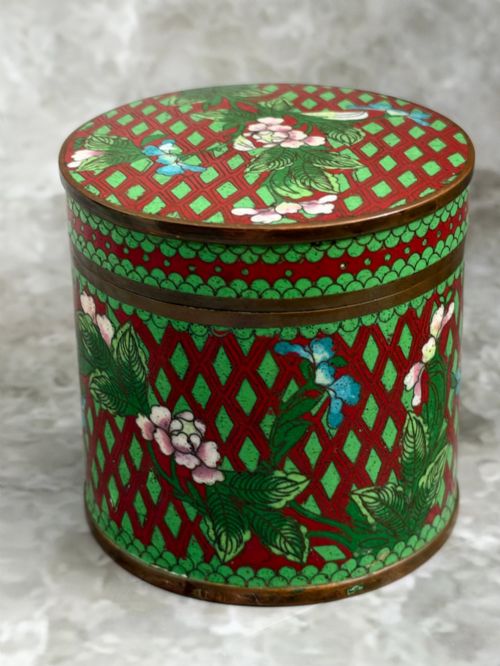
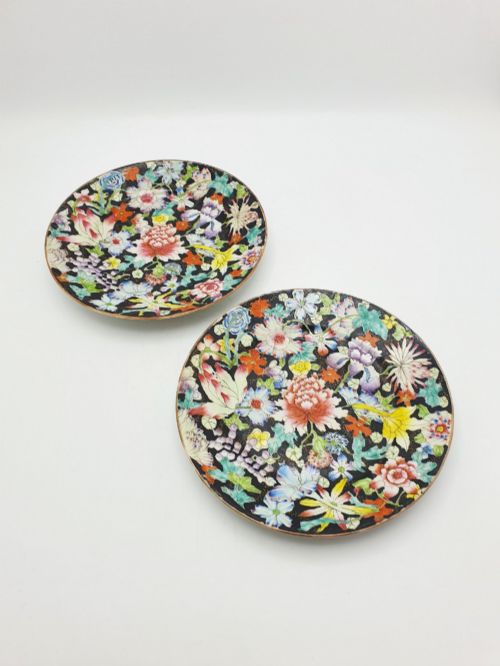
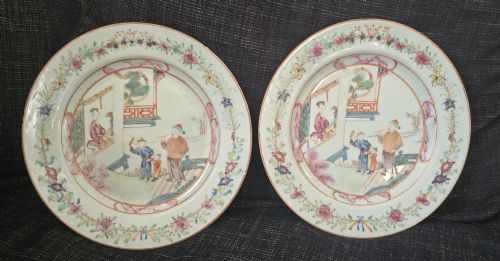
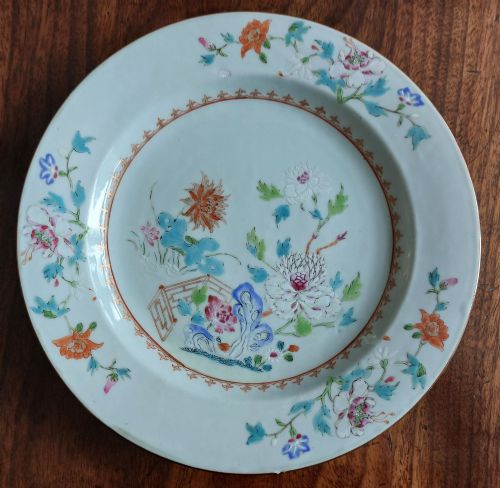
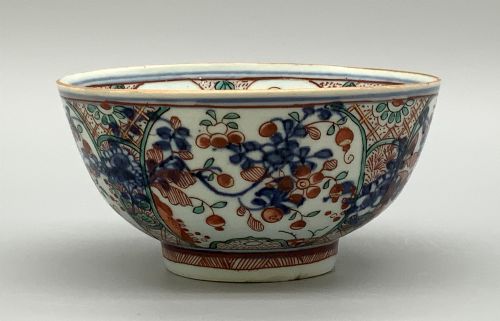
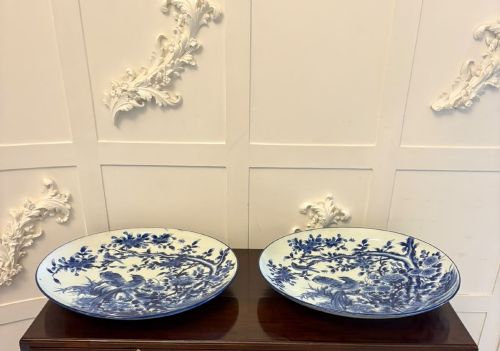
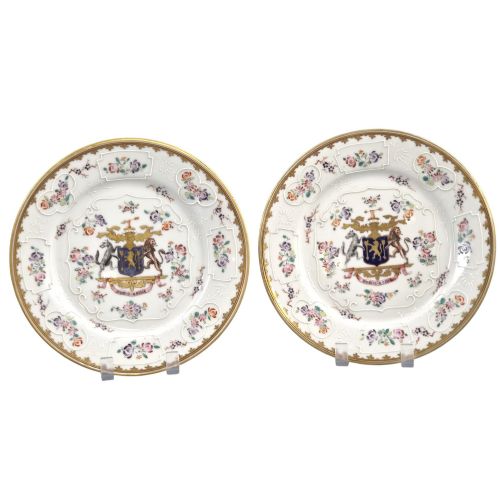
A Chinese floral dish encompasses a wide variety of ceramic tableware and decorative chargers decorated with botanical motifs. These pieces range from deep bowls and lobed dishes to broad chargers and platters, reflecting centuries of kiln production.
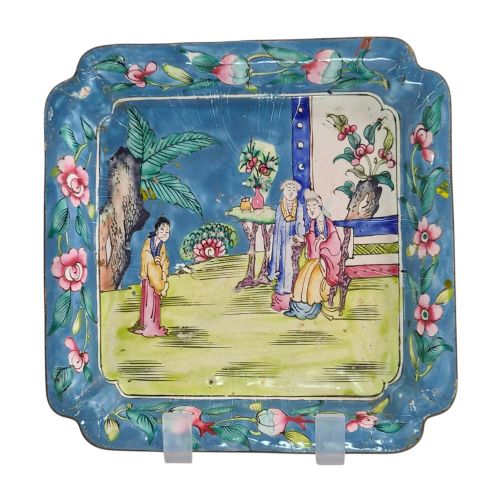
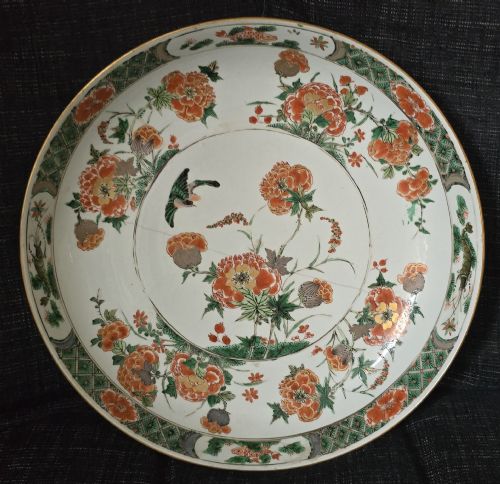
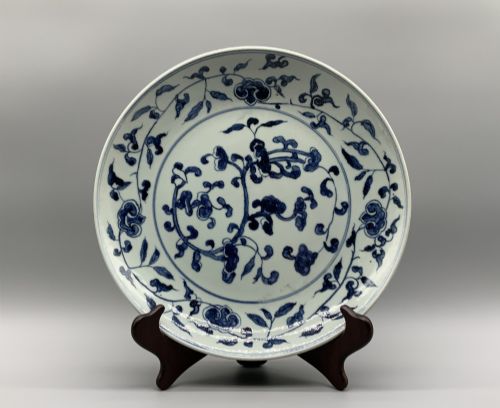
The most common examples encountered on this page stem from the eighteenth century, particularly the Qianlong and Kangxi periods, alongside earlier Song and Yuan dynasty celadon wares. Buyers frequently encounter blue and white porcelain and famille rose enamels.
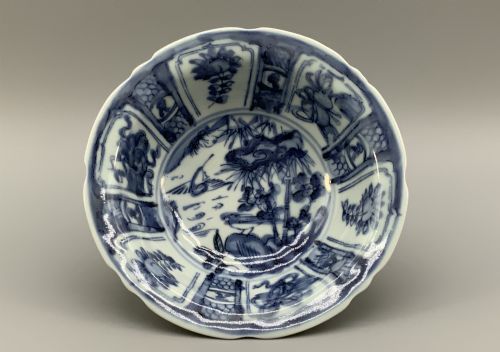
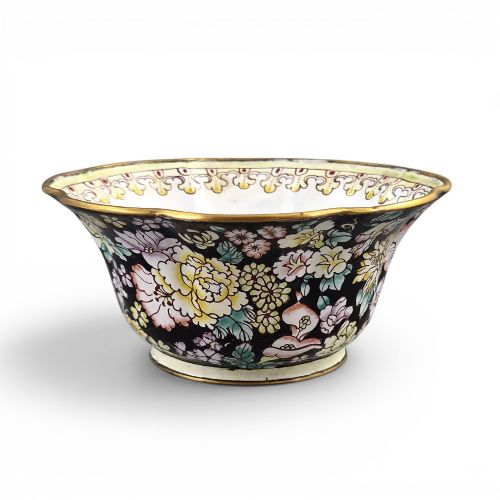
Formations vary from circular plates to foliate-rim bowls and rectangular trays. Each object displays meticulous attention to natural forms, rendering floral scrolls and blossom branches directly onto the clay body.
How they were made
Potters shaped fine porcelain and ceramic bodies before applying underglaze cobalt pigments or painted enamels. Cobalt glaze allowed artisans to paint intricate botanical details prior to high-firing, creating durable blue designs beneath a clear glass-like surface.
Overglaze techniques such as famille rose introduced opaque pinks and varied enamel colours applied atop the fired glaze, requiring an additional lower-temperature kiln cycle. Artisans also utilised moulding techniques to impart relief patterns, such as floral scrolls on celadon dishes.
Chinese Floral Dish Retail Price Guide 2026
Typical asking prices for chinese floral dish among the pieces listed under this phrase on Sellingantiques today, from the lower quarter to the upper quarter. They describe what is for sale here now, not the wider market.
A surprising number of these botanical dishes feature defiant birds perched quietly among the painted blooms.
What varies in quality
The sophistication of the hand-painted brushwork distinguishes exceptional examples from standard wares. Precision in cobalt underglaze lines and the delicate shading of enamel petals demonstrate the artisan's control.
The purity of the porcelain body and the evenness of the glaze application determine the integrity of the piece. Superior vessels show careful finishing around the foot rim and minimal distortion from the firing process.
Edmé Samson & Cie·Minton
The Chinese Floral Dish Glossary
- Celadon
- A green-glazed ceramic ware originating in China, prized for its jade-like appearance and often carved with moulded floral scroll motifs. The subtle colour results from iron oxide in the glaze reacting during a reduction firing.
- Famille rose
- A palette of opaque enamels introduced in the eighteenth century, dominated by pink and rose shades. This technique permitted nuanced tonal shading of floral and bird designs on porcelain.
- Cobalt underglaze
- A blue pigment applied to raw ceramic bodies before glazing and firing at high temperatures. It produces durable blue designs that remain sharp beneath the glassy surface.
- Charger
- A large decorative plate or dish used historically for serving food or as a centerpiece on a dining table. These substantial pieces frequently display complex floral compositions.
- Foliate rim
- An edge shaped and contoured to resemble plant leaves or flower petals. This decorative shaping appears frequently on bowls and dishes from various dynasties.
Chinese Floral Dish: Frequently Asked Questions
How do I date a Chinese floral dish?
Dating relies on examining the painting style, glaze characteristics, and potting techniques alongside any reign marks present on the base. Comparing the piece to established period examples helps narrow down the century of manufacture.
Kiln technology and pigment availability shifted significantly between the Kangxi, Qianlong, and later Qing periods, providing reliable clues for identification.
Can I use these dishes for daily dining?
While these antique ceramics were originally functional tableware, most collectors choose to display them rather than use them for everyday meals. Older porcelains and delicate enamels benefit from careful handling to preserve their historic surfaces.
Hand washing in lukewarm water with mild soap is recommended for occasional cleaning, avoiding modern dishwashers entirely.
What is the difference between blue and white and famille rose?
Blue and white pieces feature cobalt pigment painted directly onto the clay body under a transparent glaze, fired at high temperatures. Famille rose utilises overglaze enamels applied after the initial firing, allowing for a broader palette including pinks, yellows, and opaque greens.
Both styles frequently depict floral arrangements, but the textural and chemical differences in decoration are distinct.
How should I display a large charger?
Large chargers require sturdy plate stands designed to support their weight securely on a flat surface or within a cabinet. Wall mounting requires specialised brackets designed specifically for heavy antique ceramics to prevent accidental slips.
Placement should avoid direct sunlight and areas subject to sudden temperature fluctuations to protect the glaze.