



Chinese Floral Bowl
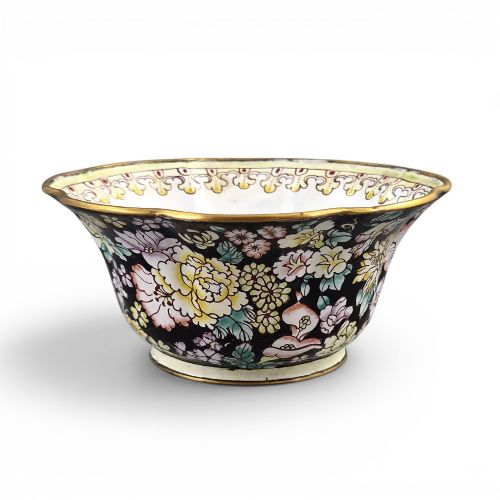
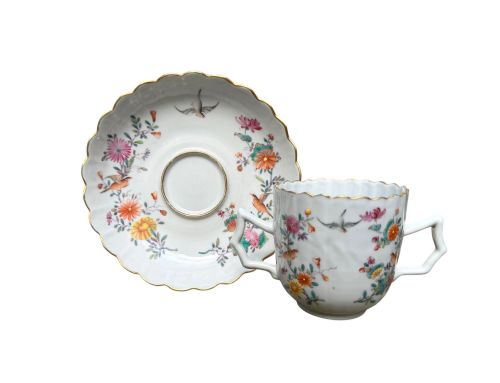
A chinese floral bowl brings centuries of artisan skill to your table, combining delicate hand-painted motifs with rich ceramic traditions.
Chinese Floral Bowl
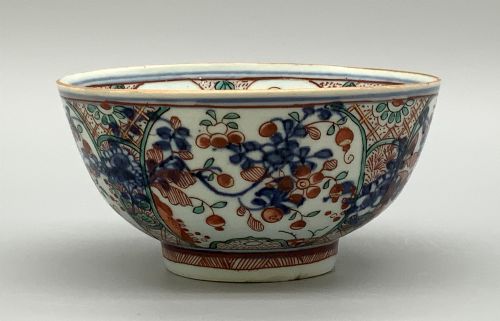
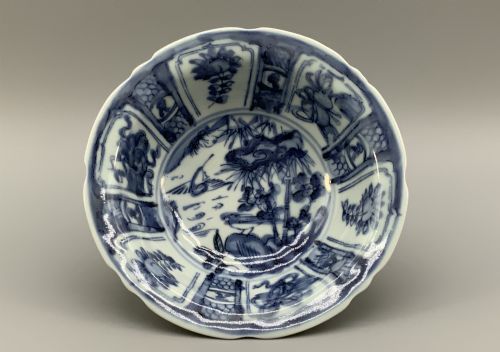
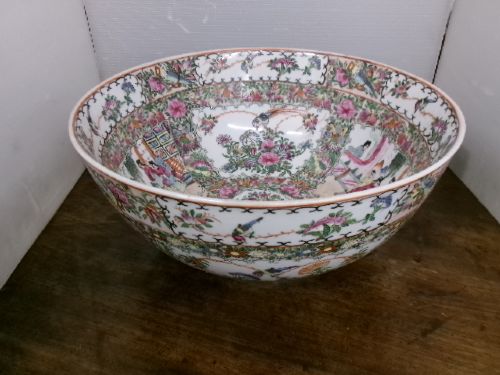
A chinese floral bowl encompasses a remarkable span of history, from early Song Dynasty celadon pieces to elaborate Qing Dynasty and Chinese Export creations. These vessels appear in various forms, including lobed dishes, deep centre bowls, and large Canton rose medallion pieces.
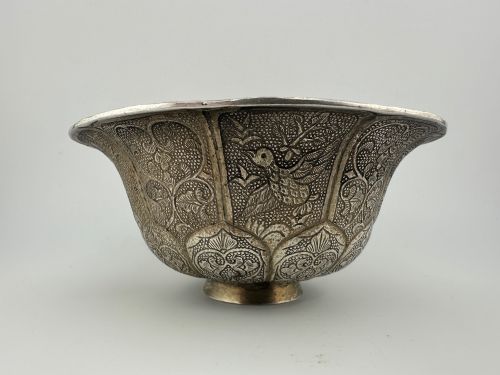
Most examples you encounter on this page date from the 18th and 19th centuries, reflecting durable trade routes and enduring decorative tastes. They range from delicate blue and white porcelain to heavy bronze and cloisonné jardinières intended for grand interiors.
How they were made
Makers utilised fine porcelain, pottery, and copper as the foundational bases for these vessels. Cobalt underglaze, enamel, and gold leaf were then applied by hand to create intricate floral patterns.
Techniques such as cloisonné and plique-a-jour required painstaking wirework and enamel infills fired at high temperatures. Artisans also employed hand painting to ensure every petal and stem possessed individual character.
Chinese Floral Bowl Retail Price Guide 2026
Typical asking prices for chinese floral bowl among the pieces listed under this phrase on Sellingantiques today, from the lower quarter to the upper quarter. They describe what is for sale here now, not the wider market.
Listings span multiple centuries, incorporating Ming Dynasty pottery, Kangxi period blue and white porcelain, and late Qing Dynasty Canton enamel.
What varies in quality
The precision of the hand painting dictates much of the visual success, where steady brushwork defines the crispness of floral details. Superior pieces display harmonious proportions and careful enamel distribution across the entire surface.
Weight and material density also set standards, particularly in bronze and cloisonné works where substantial metal forming supports complex decorative schemes. Finer porcelain bodies show greater translucency and refined potting at the foot ring.
The Chinese Floral Bowl Glossary
- Celadon
- A type of green-glazed Chinese ceramic, often with a subtle jade-like appearance. This glaze tradition dates back centuries and is prized for its serene hue.
- Cloisonné
- An enamelwork technique where metal wire is soldered to a metal body to create compartments for enamel paste. These vessels are then fired and polished to a smooth finish.
- Famille Rose
- A prominent palette of opaque pink and rose enamels introduced during the Qing Dynasty. It allowed artists to render soft floral petals and gradients with high naturalism.
- Gaiwan
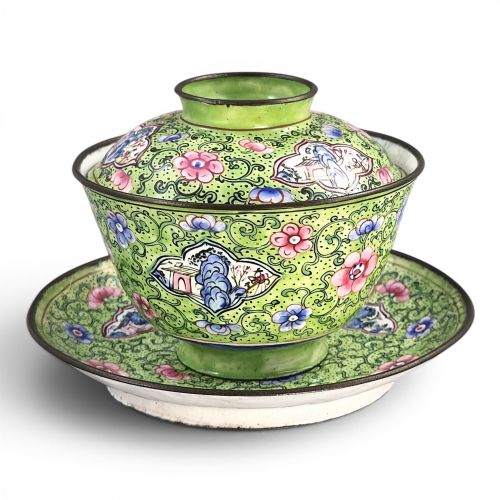
- A traditional Chinese tea set consisting of a saucer, a bowl, and a lid. It was designed for steeping and drinking loose leaf tea directly.
- Imari
- A style of ceramic decoration featuring underglaze blue and overglaze iron red and gold. This aesthetic was heavily exported to European markets during trade eras.
Chinese Floral Bowl: Frequently Asked Questions
How do I date a chinese floral bowl?
Dating relies on examining the potting style, glaze characteristics, and any reign marks present on the base. Comparing the decorative palette, such as cobalt blue versus famille rose enamels, helps narrow the production era.
Historical context from trade periods also guides the timeline, distinguishing earlier Ming or Kangxi pieces from later 19th-century Canton production.
Were these bowls used for food?
Many porcelain bowls served functional roles in dining and tea service, particularly teacups, saucers, and smaller domestic dishes. Larger centre bowls and decorative jardinières were primarily intended for display or interior planting.
Heavier bronze and cloisonné pieces functioned as ornamental desk pots or centerpiece vessels rather than tableware.
How should I clean my bowl?
Dust enamel and porcelain surfaces gently with a soft, dry brush to prevent the accumulation of particles. Avoid harsh chemical cleaners or abrasive sponges that might damage delicate gilt or overglaze painting.
Metal bowls benefit from occasional light wiping with a lint-free cloth to maintain their surface sheen without stripping historical patination.