

Chinese Enamel Porcelain
Chinese enamel porcelain brings together vibrant palettes and intricate designs across centuries of traditional craftsmanship.
Chinese Enamel Porcelain
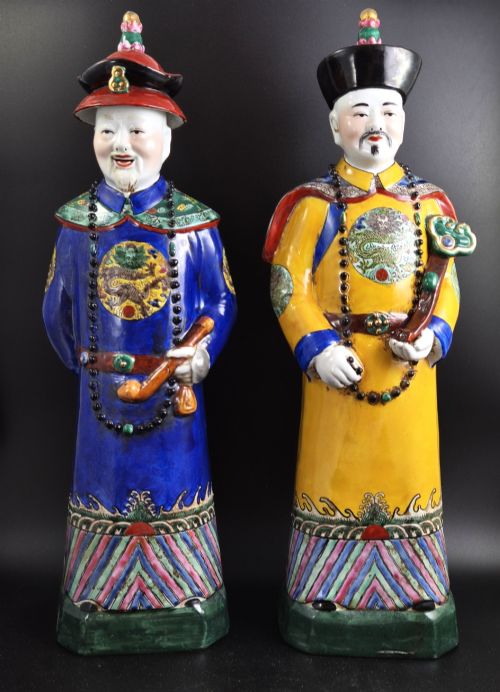
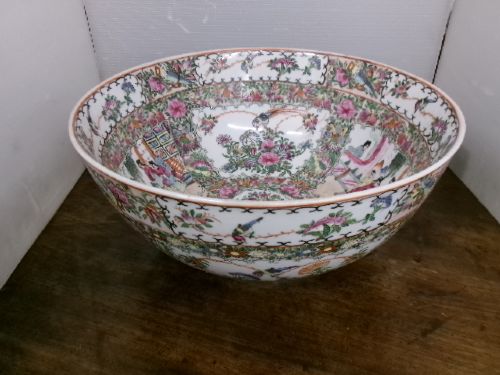
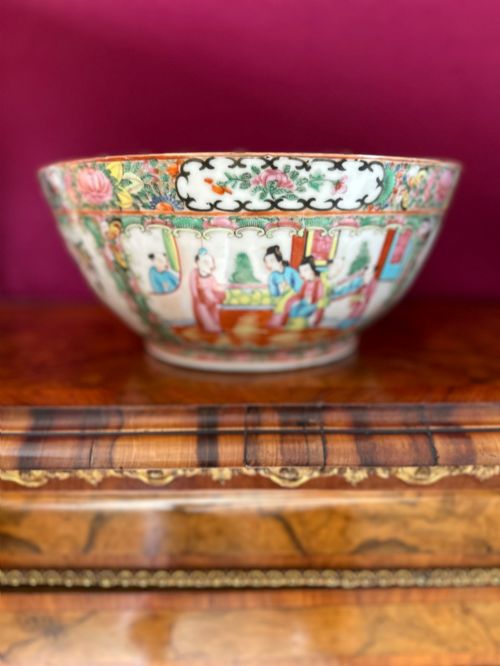
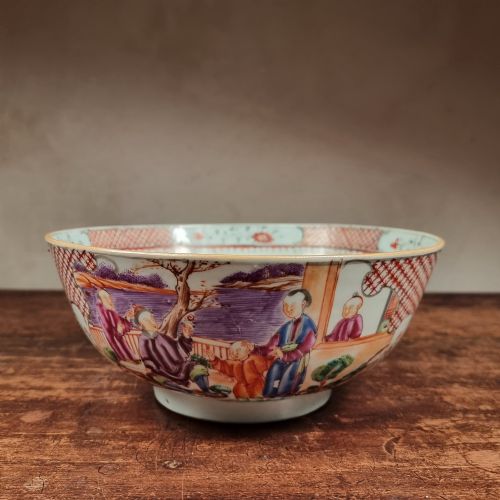
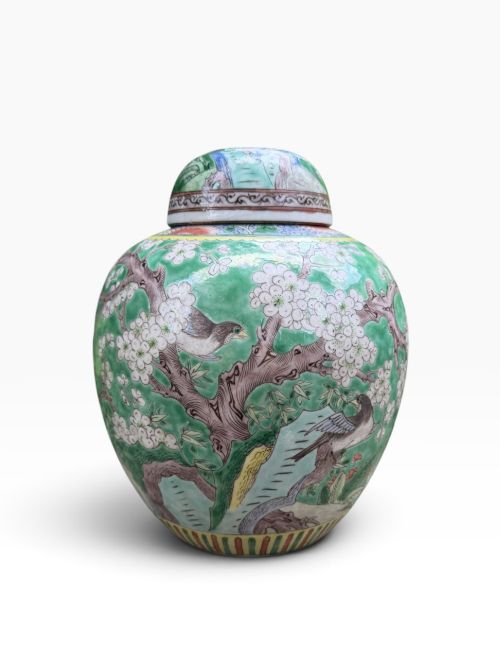
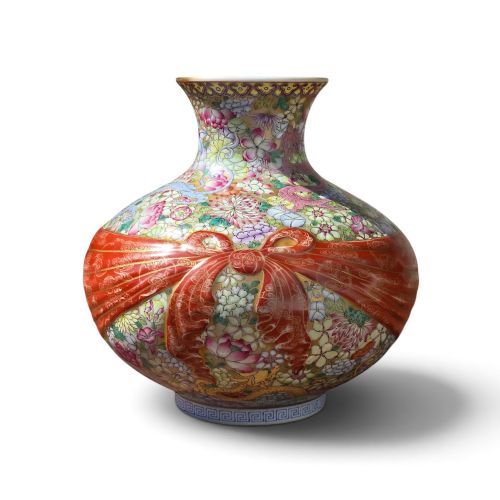
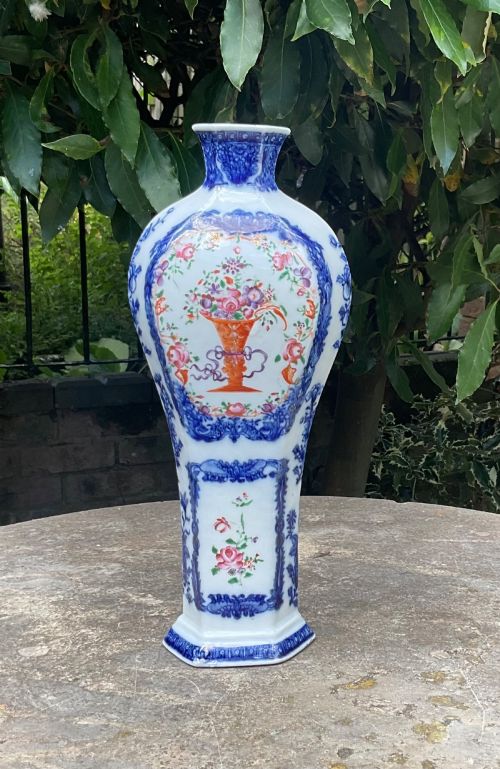
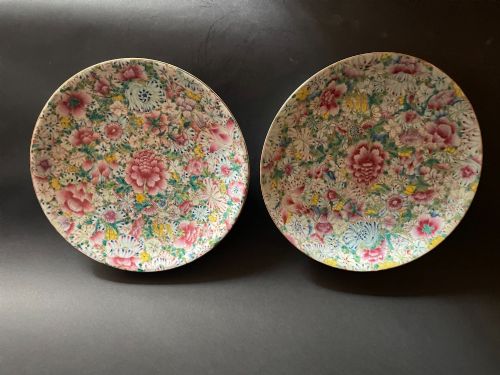
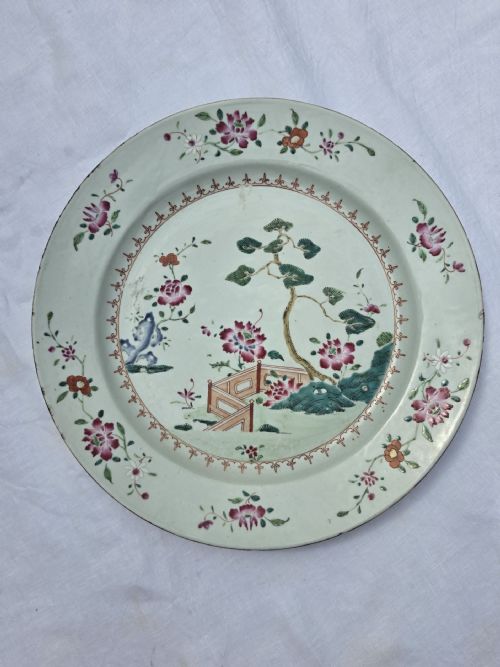
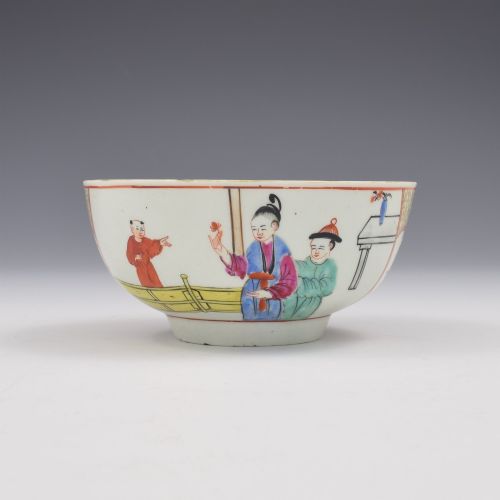
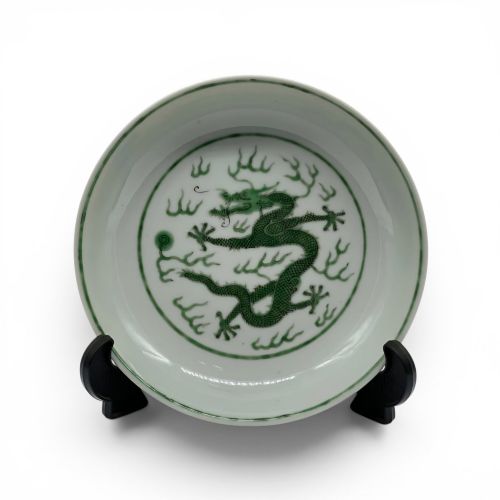
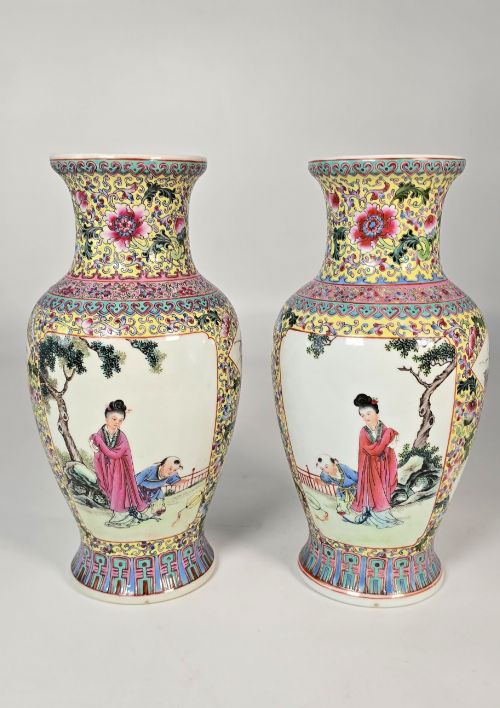
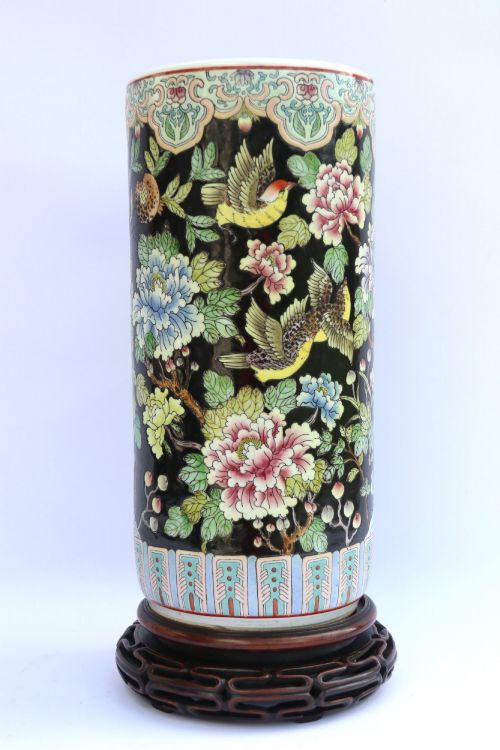
When you examine Chinese enamel porcelain, you encounter a diverse array of vessels and figures spanning the eighteenth, nineteenth, and twentieth centuries. The selection encompasses large floor vases, punch bowls, ginger jars, and delicate tabletop dishes created during the Qing Dynasty and the Republic Period.
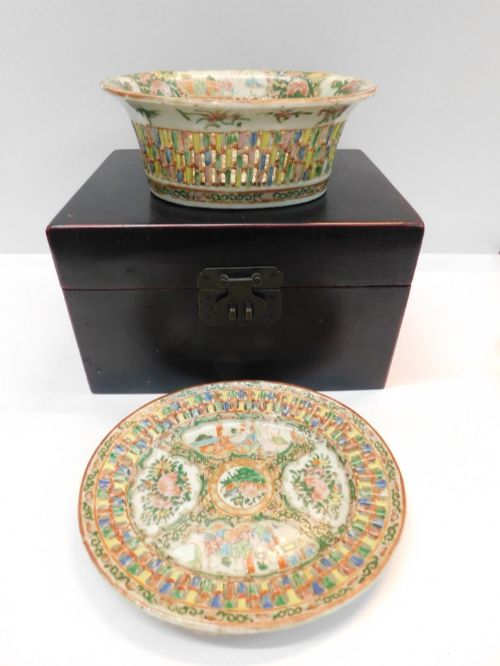
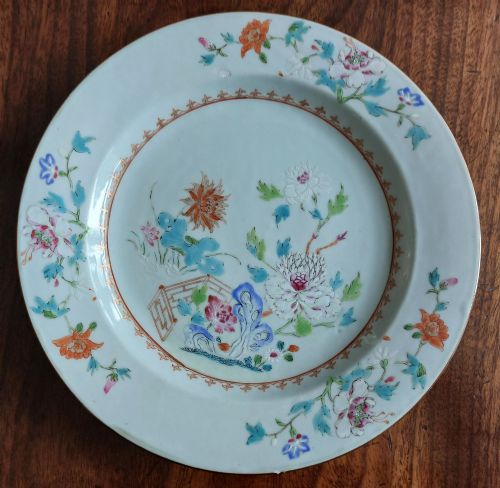
The most common items you will meet on this page are nineteenth-century Cantonese and Famille Rose wares. These pieces range from substantial jardinières and baluster vases to reticulated chestnut baskets and decorative plates bearing traditional motifs.
How they were made
Artisans built these works using a porcelain body finished with overglaze enamel decoration. Painters applied colourful mineral pigments directly onto the fired white surface before subjecting the pieces to a secondary low-temperature kiln firing.
Many items incorporated supplementary embellishments such as gold leaf, gilding, and gilt accents to highlight borders and figural details. Certain productions also utilised distinct colour grounds, including iron-red, coral-orange, and black glaze variations.
Materials recorded across the inventory include porcelain, gold leaf, overglaze enamel, and hardwood stands.
What varies in quality
The distinction between ordinary and exceptional pieces rests upon the precision and complexity of the hand-painted brushwork. Superior examples display meticulously rendered figures, flora, and fauna with fine detailing, whereas lesser items rely on repetitive or hurried application.
Overall form, scale, and the harmony of the enamel palette further divide the range. Monumental vases and heavily potted punch bowls with intact original components or imperial marks demonstrate a higher tier of historic workshop output.
Fujian Huiguan Mark·Zhu Mao Ji
The Chinese Enamel Porcelain Glossary
- Famille Rose
- A major palette of opaque enamel colours introduced in the eighteenth century, dominated by pink and rose tones.
- Famille Verte
- A translucent green-dominated enamel palette utilised extensively during the Qing Dynasty for vibrant pictorial scenes.
- Canton
- A style of export porcelain decorated in southern China, typically featuring crowded panels of figures, birds, and flowers.
- Overglaze
- A decorative technique where enamel pigments are applied on top of a previously fired and glazed ceramic surface.
- Qianlong
- A prosperous imperial period lasting from 1735 to 1796 associated with high technical mastery in porcelain production.
Chinese Enamel Porcelain: Frequently Asked Questions
What is Chinese enamel porcelain?
It refers to ceramic vessels and figures decorated with coloured vitreous enamels over a fired porcelain body. These items were produced primarily for export and domestic use during the Qing Dynasty and subsequent twentieth-century periods.
Artisans applied mineral pigments by hand, resulting in durable, glossy surfaces adorned with floral, figural, and narrative compositions.
How were ginger jars used?
Ginger jars served originally to store and transport spices, salt, and oils in traditional households. Their secure covers and robust porcelain walls kept contents protected from humidity and pests.
Over time, these utilitarian containers evolved into purely decorative ornaments displayed on tables and within reception rooms.
How do I identify a nineteenth-century piece?
Nineteenth-century examples often exhibit typical Cantonese export characteristics, heavy potting, and specific palette styles associated with the Daoguang and Guangxu reigns. Examination of the foot rim, glaze texture, and hand-painted enamel thickness helps determine the manufacturing era.
Many pieces from this timeframe also feature specific reign marks or stylistic traits common to the late Qing period.
How should I clean my porcelain?
Dust the surface regularly with a soft, dry cloth to prevent particulate buildup on the enamel and gilt areas. Avoid using harsh chemical cleaners, abrasive sponges, or immersion in hot water, which can damage overglaze decorations.
For secure maintenance, wipe gently with a damp cloth only when necessary and dry thoroughly immediately afterward.