


Chinese Dragon Porcelain
Chinese dragon porcelain combines imperial symbolism with centuries of ceramic mastery, offering collectors striking vessels decorated with mythical beasts.
Chinese Dragon Porcelain
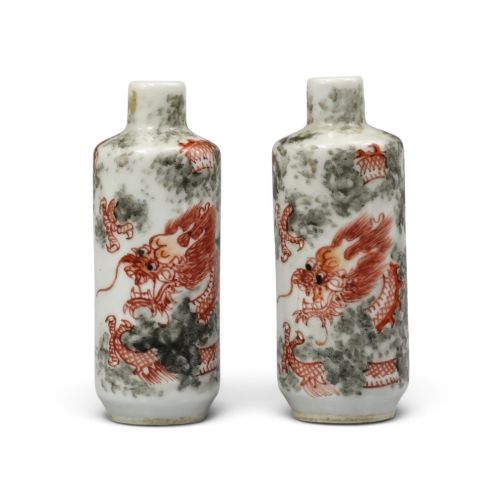
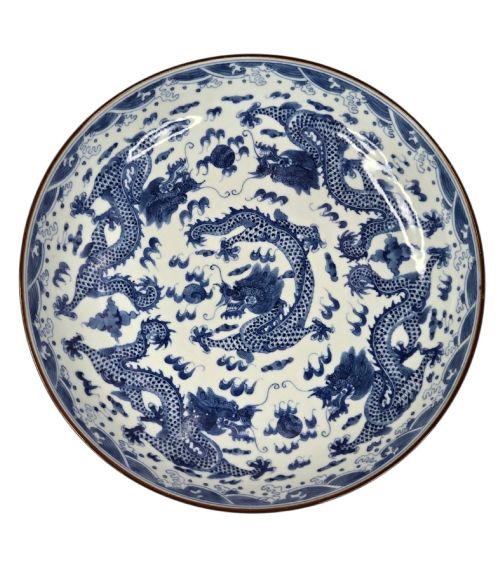
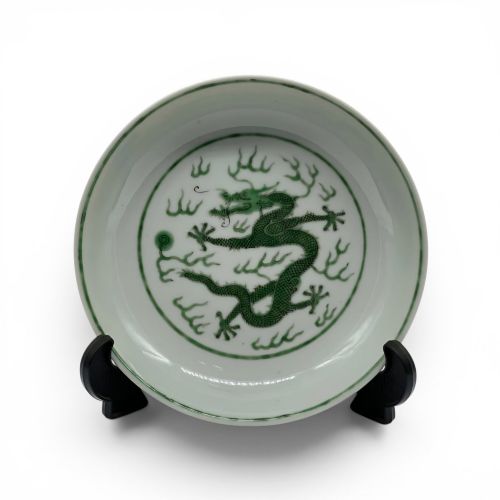
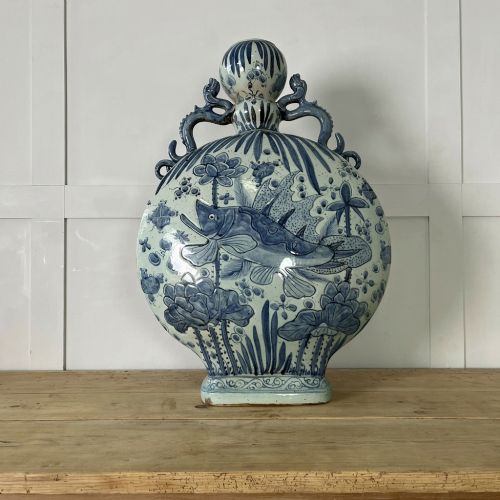
When you search for chinese dragon porcelain, you encounter a diverse array of ceramic vessels created primarily during the Qing dynasty and later periods. These objects range from blue and white chargers and meiping vases to smaller items such as snuff bottles, tea caddies, and decorative bowls.
The version you are most likely to meet on this page is the nineteenth-century blue and white porcelain vessel, often bearing imperial marks or traditional motifs. Alongside these traditional forms, the selection includes twentieth-century interpretations, Edwardian lustre bowls, and Chinese export pieces designed for Western markets.
How they were made
Potters shaped these pieces from fine porcelain and bone china before applying intricate surface decoration. Cobalt underglaze was frequently painted directly onto the clay body prior to glazing and high-temperature firing, resulting in deep blue motifs beneath a clear vitreous coat.
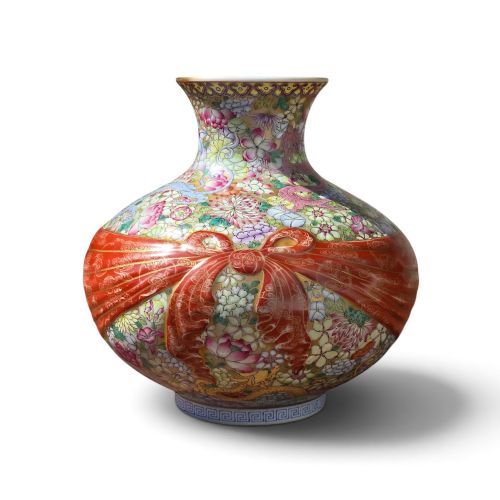
Overglaze techniques involved adding enamel, gold leaf, and lustre glaze onto already fired porcelain before a secondary, lower-temperature fix. This layered approach allowed artisans to combine iron-red dragons and polychrome famille rose details with metallic sheens.
Several bowls on show feature Daisy Makeig-Jones lustre dragons, proving that Staffordshire designers could match Qing emperors for mythical flair.
What varies in quality
The sophistication of the painted dragon motif often dictates the standing of a piece within its category. Examples featuring meticulously rendered five-clawed dragons amidst vaporous clouds display a superior level of draughtsmanship compared to simpler, more hurried executions.
Material refinement and the clarity of the glaze also separate ordinary domestic wares from imperial-style pieces. Depth in the cobalt underglaze or precision in enamel application indicates the skill of the original workshop.
C.J. Mason·Wedgwood
The Chinese Dragon Porcelain Glossary
- Cobalt Underglaze
- A blue pigment applied to the raw ceramic body before glazing and firing. This technique allows the colour to fuse permanently beneath the glassy surface.
- Doucai
- A decorative method combining underglaze blue outlines with overglaze enamel infills. The resulting palette is bright and distinctly compartmentalised.
- Famille Rose
- A palette of opaque overglaze enamels dominated by pink and rose hues. Introduced in the Qing dynasty, it permitted softer tonal gradations.
- Lustre Glaze
- A metallic ceramic finish that reflects iridescent colours under the light. It gained popularity in various revival wares during the early twentieth century.
Chinese Dragon Porcelain: Frequently Asked Questions
How do I identify a five-clawed dragon?
Imperial dragon depictions generally feature five claws on each foot, a convention strictly monitored during the Qing dynasty. Lesser wares often displayed four or three claws.
Examining the paws closely reveals this distinction, which helps separate court-commissioned ceramics from standard export pieces.
What period do most of these ceramics date from?
The majority of pieces originate from the nineteenth century, encompassing late Qing dynasty production and subsequent export variations. Some eighteenth-century export examples also appear.
Later Edwardian interpretations and early twentieth-century lustre wares represent the continuation of these themes.
How were these porcelain pieces used historically?
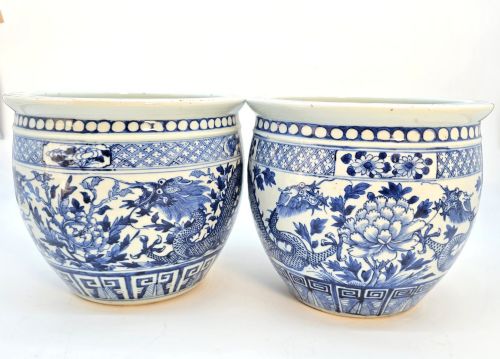
Larger vessels such as chargers, jardinières, and moon flasks served as decorative statements in elite interiors. Smaller items like snuff bottles and tea caddies fulfilled practical storage roles.
Tableware formats, including mugs and punch bowls, catered to dining and social rituals both in China and abroad.
How should I display porcelain lamps safely?
Many antique porcelain vases have been converted into table lamps to suit modern domestic settings. Ensure the wiring is inspected by a qualified professional before use.
Position them away from high-traffic areas to protect the antique ceramic bodies from accidental knocks.