
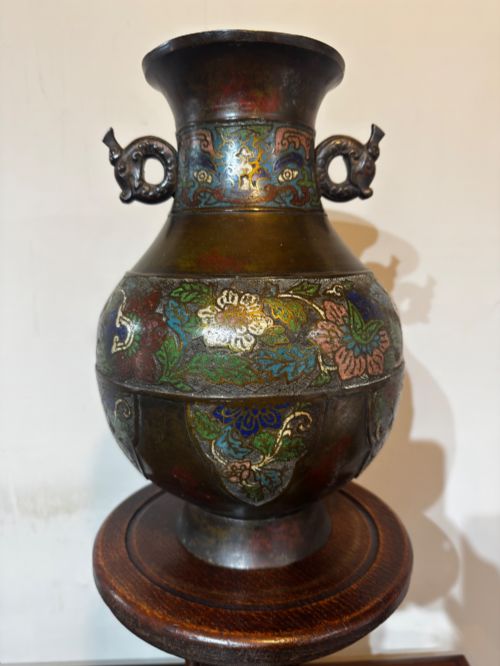


Chinese Decorative Vessel
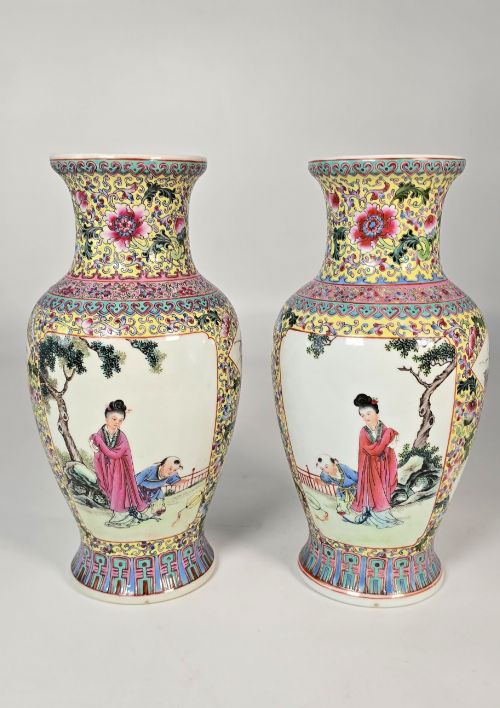
A chinese decorative vessel brings centuries of master craftsmanship, rich colour and intricate ornament into a room.
Chinese Decorative Vessel
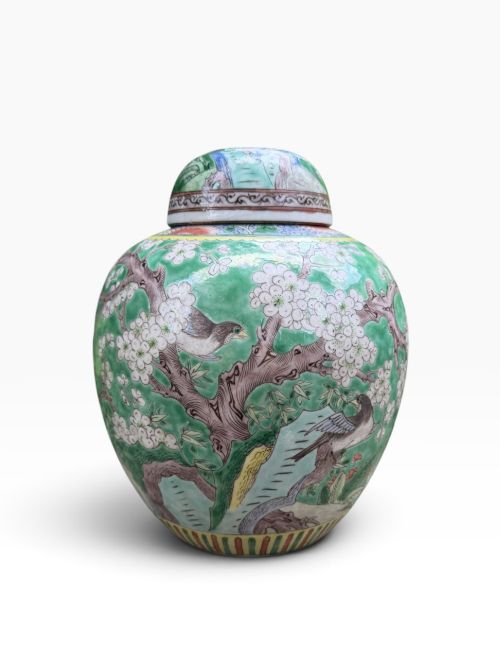
A chinese decorative vessel encompasses a wide range of utilitarian and ornamental forms, from ginger jars and vases to jardinières, bowls and teapots. These pieces span multiple eras including the Qing Dynasty, the Republic period and Victorian interpretations of Chinese export styles.
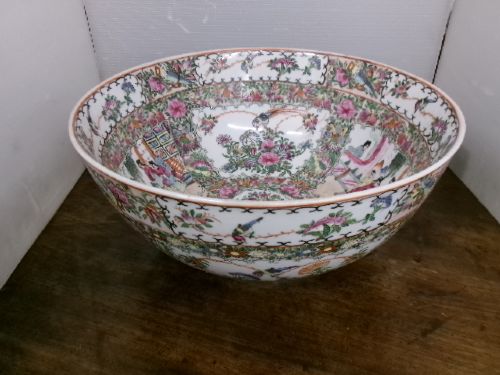
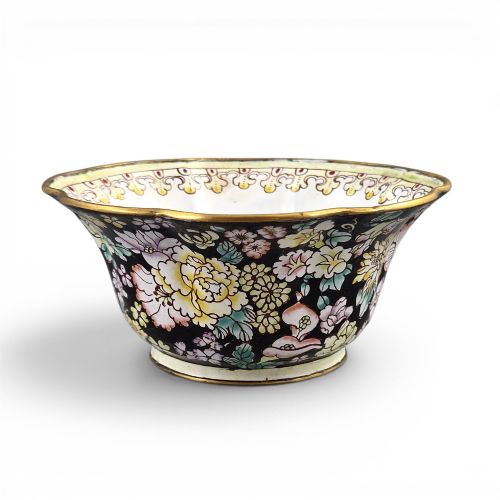
The aesthetic bridges traditional motifs such as birds, lotus, dragons and peony with sophisticated glazing techniques like famille rose, celadon and blue and white. Whether shaped as a tall bottle vase or a deep conical bowl, each object serves as a focal point for interior display.
Materials and construction
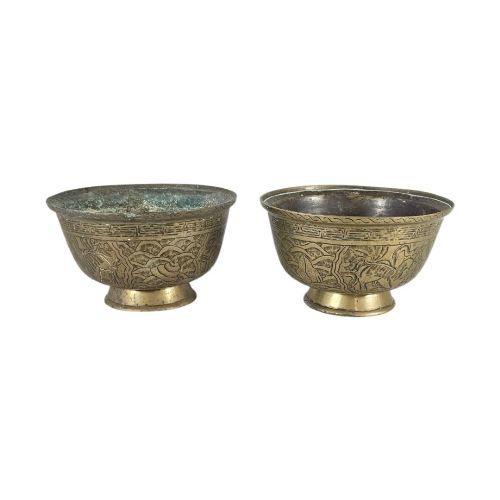
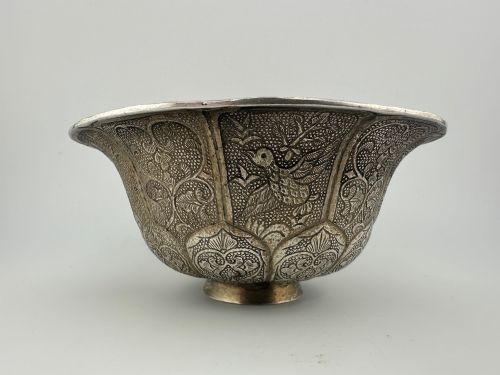
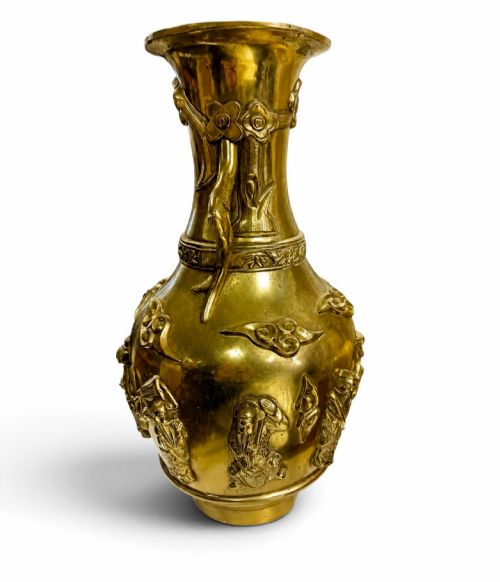
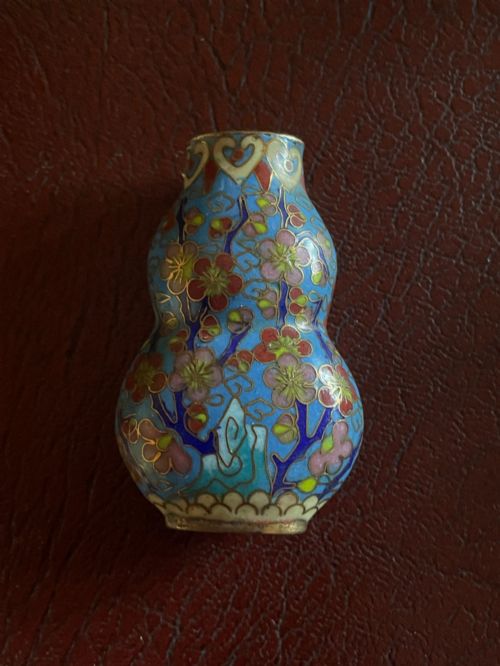
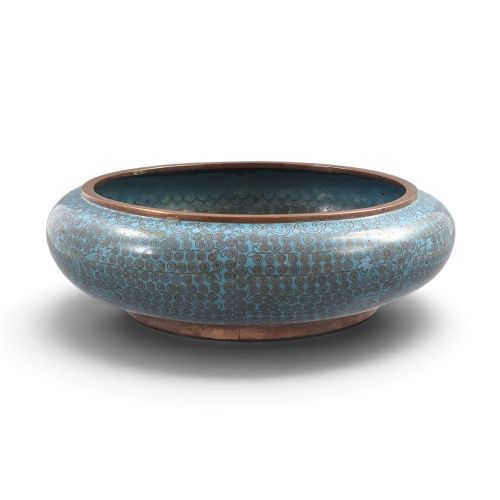
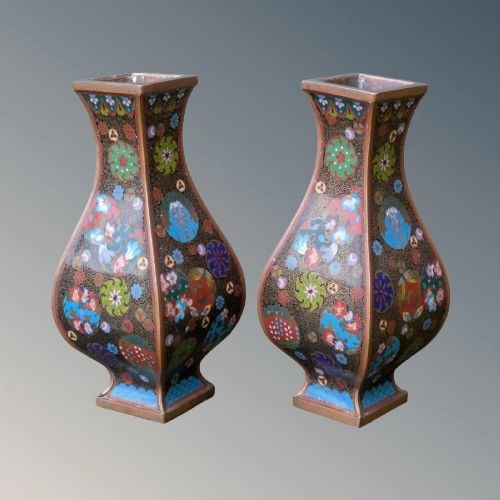
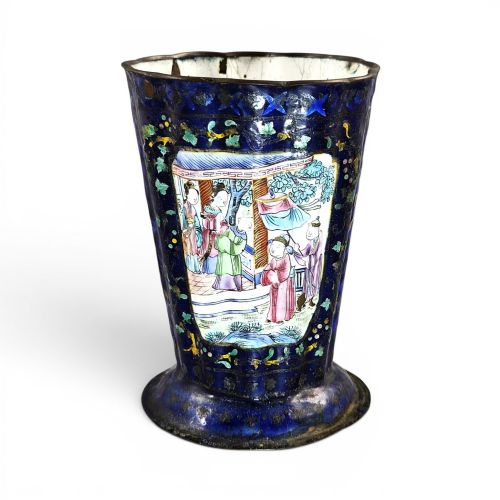
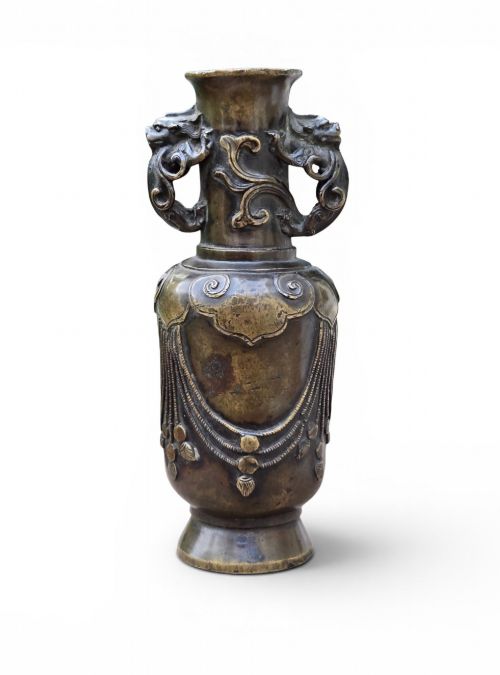
Metalwork vessels rely on cast bronze, brass, copper-alloy and white metal, frequently enhanced with cloisonné or champlevé enamel work where wire cells hold vibrant coloured pastes. These metallic bodies provide substantial weight and durability, particularly in larger baluster vases and heavy planters.
Ceramic forms utilise porcelain, pottery and celadon glazes, shaped on the wheel or pressed into moulds before high-temperature firing. Surface decoration combines hand-painted pigments, underglaze blue and high-relief carving seen in red cinnabar lacquer and porcelain ginger jars.
Materials represented include brass, bronze, copper, porcelain, ceramic, gold leaf, and vibrant cloisonné enamel.
Assessing craftsmanship
Quality reveals itself in the precision of the hand-painted detail and the crispness of relief carving, whether depicting floral motifs or figural scenes of immortals. Finer metalwork displays evenly applied enamel cells without pitting, alongside clean casting marks such as Xuande bases.
Porcelain and pottery standards depend on the depth and clarity of the glaze, the symmetry of the vessel form and the refinement of incised details like phoenix and peony patterns. Superior pieces maintain harmonious proportions and stable, well-balanced weight distribution.
The Chinese Decorative Vessel Glossary
- Cloisonné
- A metalwork technique where thin wires are soldered to a bronze or copper base to create compartments filled with enamel paste. These vessels are subsequently fired and polished to a smooth finish.
- Baluster
- A vase shape characterised by a rounded body that tapers toward a narrow neck and flares at the rim. This traditional silhouette provides stability and generous surface area for pictorial decoration.
- Cinnabar lacquer
- A decorative surface treatment created by applying dozens of microscopic layers of red lacquer to a core. Artisans then carve intricate figurative and botanical scenes directly into the hardened material.
- Famille rose
- A prominent palette of opaque enamel colours dominated by pink or rose hues, used extensively on porcelain. Introduced during the Qing dynasty, it allowed for nuanced shading and detailed pictorial storytelling.
Chinese Decorative Vessel: Frequently Asked Questions
What is a chinese decorative vessel used for?
These pieces functioned historically as ritual objects, scholar's desk accessories, incense burners or refined household containers for tea and flowers. In modern interiors, they serve primarily as standalone decorative ornaments or display planters.
Larger baluster vases and ginger jars anchor empty corners or mantelpieces, while smaller items like brush washers and snuff bottles add texture to side tables and shelves.
How do I care for bronze and enamel vessels?
Metal and cloisonné pieces require gentle dusting with a soft, dry cloth to prevent accumulation in recessed enamel cells and intricate wirework. Avoid chemical polishes and abrasive cleaners that can strip patinas or damage delicate surface decorations.
Keep them away from direct sunlight and damp environments to protect the integrity of both the metallic base and the applied enamels.
How do I distinguish nineteenth-century pieces?
Nineteenth-century examples frequently exhibit the heavy casting typical of the late Qing period, alongside specific stylistic markers like Guangxu period enamels or imitation Xuande base marks. Look for the characteristic weight of copper-alloy bodies and the distinct palette of nineteenth-century famille rose.
Compare the surface wear and the handling of traditional motifs such as Daoist immortals against earlier dynasties to gauge chronological context.
Can I use these planters for real plants?
Antique jardinières and planters were designed to house potted plants or floral arrangements, often incorporating bronze or ceramic basins to contain moisture. When using them today, place a modern plastic liner inside the vessel to protect the historic interior from water damage and soil acidity.
Ensure proper drainage without letting standing water sit against the antique walls of the brass, bronze or ceramic body.