

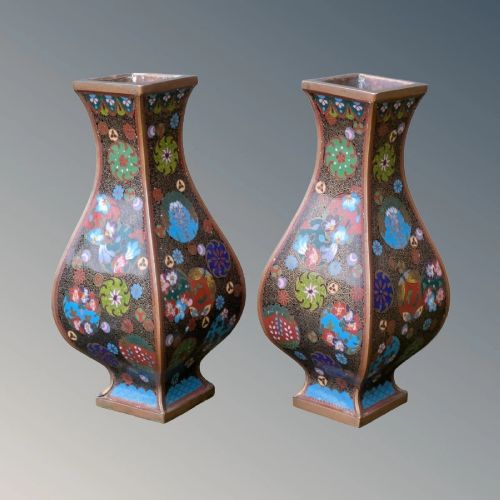


Chinese Cloisonne Pot
These pieces of chinese cloisonne pot show the metalwork and enamel techniques that define traditional Asian decorative arts.
Chinese Cloisonne Pot
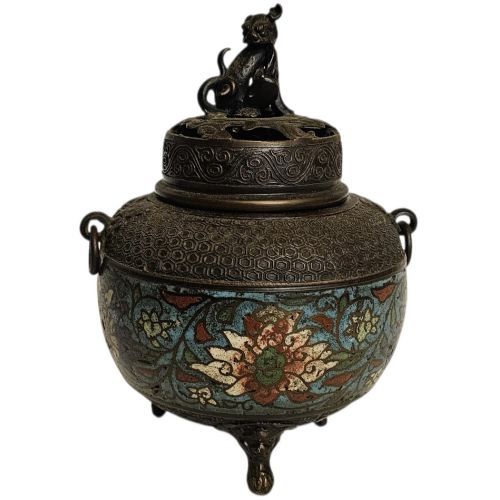
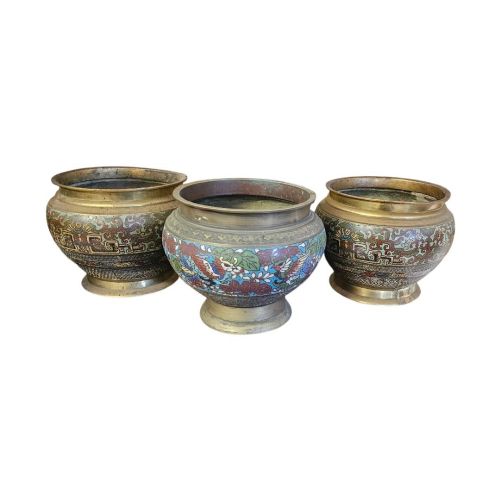
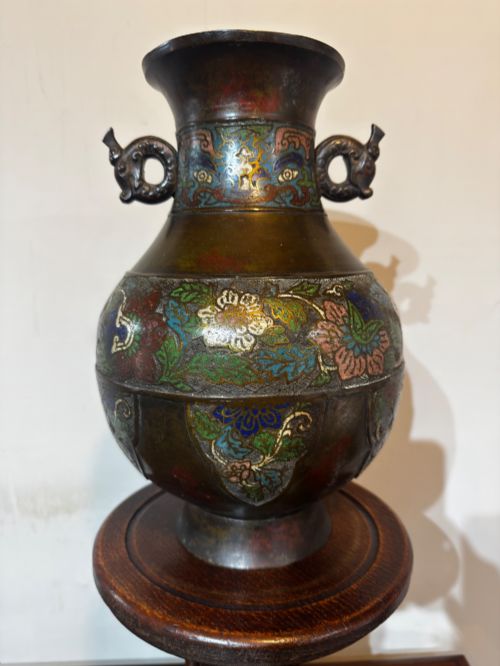
A chinese cloisonne pot brings intricate wirework and vibrant coloured enamels into any room, with forms ranging from large jardinieres and vases to lidded koros and teapots. When browsing this selection, buyers encounter items originating from the Qing Dynasty through to the mid-twentieth century.
Most items on this page date from the nineteenth century up to the nineteen-fifties, reflecting traditional Chinese and Chinoiserie aesthetics. These vessels serve primarily as decorative objects, carrying historical ornamentation and distinct metal bases.
How they were made
Makers formed the core structure of each chinese cloisonne pot using metals such as bronze, brass, or copper, shaping them into bowls, vases, and jars. Thin metal wires soldered onto the exterior surface created raised cells for the colourful enamel paste.
Artisans filled the compartments with enamel before firing the piece at high temperatures to fuse the glass paste to the metal body. Surface polishing smoothed the metal wires and enamel fields into a unified finish, sometimes complemented by carved hardstone additions.
Chinese Cloisonne Pot Retail Price Guide 2026
Typical asking prices for chinese cloisonne pot among the pieces listed under this phrase on Sellingantiques today, from the lower quarter to the upper quarter. They describe what is for sale here now, not the wider market.
Listings on this page span the nineteenth century, the Edwardian era, and the nineteen-fifties, utilising bronze, copper, and cloisonne enamel.
What varies in quality
Superior examples display precise wire soldering and evenly distributed enamel fillings across the bronze or copper foundation without pitting or cloudiness. The clarity of the colours and the crispness of the metal outlines distinguish finer decorative objects from standard production.
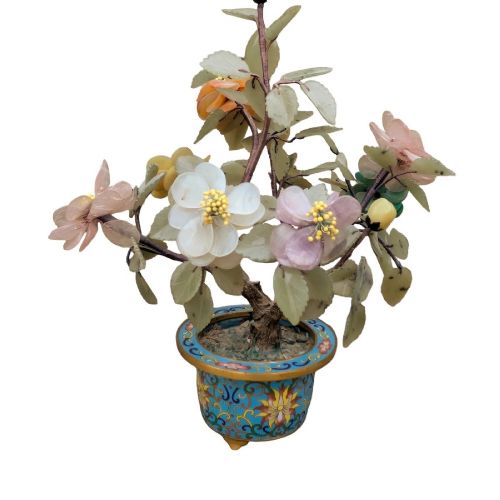
The integration of additional materials, such as genuine hardstone blossoms on bonsai sculptures, elevates the craftsmanship of the piece. Proportion, weight, and the complexity of the traditional motifs determine the overall distinction of each vessel.
The Chinese Cloisonne Pot Glossary
- Cloisonne Enamel
- A metalwork technique where thin wires form cells that hold coloured enamel paste. This method creates detailed patterns across the surface of vases and bowls.
- Jardiniere
- A large decorative pot or stand traditionally used for holding plants or floral arrangements. These vessels often feature heavy bronze or brass construction.
- Koro
- A traditional Asian incense burner fitted with a lid. These lidded vessels typically rest on small feet and display elaborate enamel work.
- Champleve
- An enamelling process where troughs or cavities are carved directly into the metal surface to hold the enamel. It differs from wire-based cloisonne by using recessed metal channels.
- Hardstone
- A collective term for semi-precious stones such as jade and quartz. Artisans carve these materials into decorative leaves and flowers for ornamental trees.
Chinese Cloisonne Pot: Frequently Asked Questions
What is a chinese cloisonne pot?
A chinese cloisonne pot is a metal vessel decorated with enamelled compartments formed by soldered wires. These items encompass vases, jardinieres, bowls, and incense burners created across various historical periods.
Craftsmen utilised bronze, copper, and brass as the structural base for these decorative objects. The finished pieces display traditional motifs executed in vibrant coloured glass pastes.
How do I date a chinese cloisonne pot?
Dating relies on examining the metal composition, the style of the enamel work, and the associated dynasty or period markers. Nineteenth-century examples often feature heavier bronze foundations and distinct traditional Chinese motifs.
Later pieces from the mid-twentieth century show different colour palettes and manufacturing techniques. Comparing the wirework precision and hardware helps establish the approximate age of the object.
Were these pots used for plants?
Certain forms, particularly jardinieres and bonsai containers, were specifically designed to house plants or artificial stone floral arrangements. Larger vessels accommodated live greenery within interior spaces.
Other shapes, such as vases and koros, served purely decorative or ritualistic functions. Their primary purpose was visual display rather than practical horticulture.
What metals are used in these pieces?
The underlying structure of a chinese cloisonne pot typically consists of bronze, copper, or brass. These metals provided a sturdy foundation capable of withstanding the high temperatures required for firing enamel.
Bronze was frequently utilised for larger jardinieres and incense burners due to its weight and durability. Copper served both as a primary body material and as the wire used to create surface patterns.