

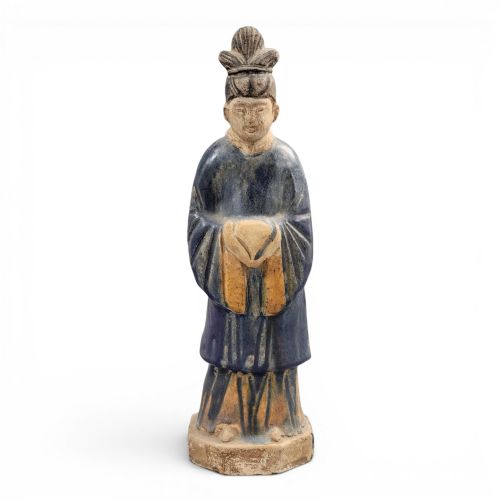


Chinese Ceramic Sculpture
A Chinese ceramic sculpture brings centuries of ritual, courtly taste and kiln craft straight into a room through figures of animals, immortals and attendants.
Chinese Ceramic Sculpture
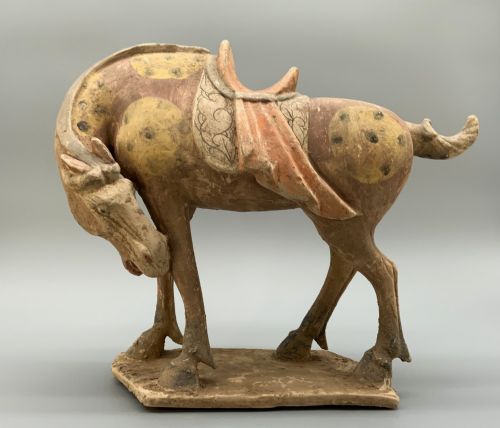
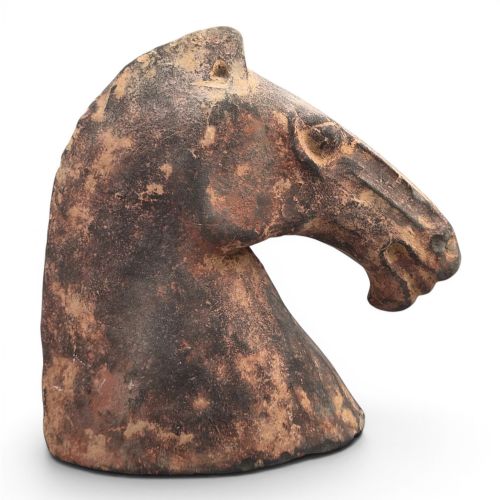
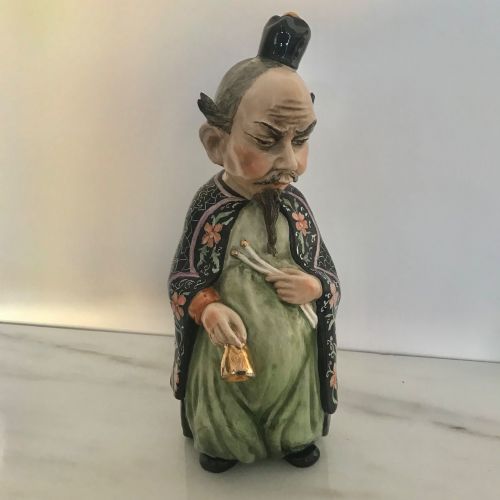
A Chinese ceramic sculpture spans over a millennium of production, reaching from ancient terracotta tomb figures and early grey pottery dancers to later porcelain and stoneware animals. Buyers encounter everything from Tang Dynasty sancai glazed horses and grey pottery tomb attendants to Qing Dynasty turquoise glazed goats, parrots and figures of immortals.
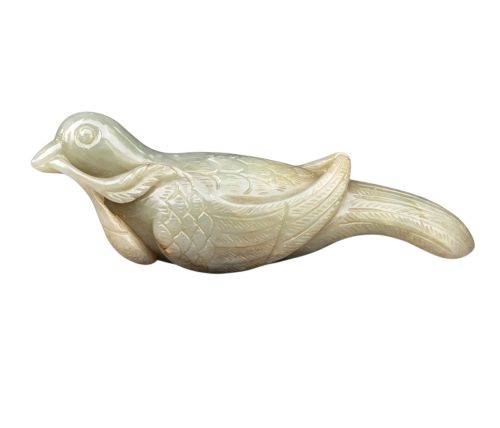
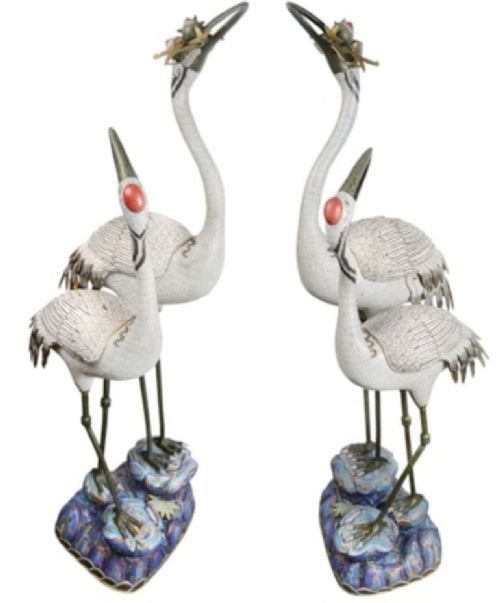
The objects take many forms, including decorative figurines, scholarly water birds, Buddhist lions, court attendants and large pairs of ducks or cranes. These pieces capture both imperial commissions and regional kiln traditions, reflecting changing tastes across dynasties and centuries.
Materials and methods
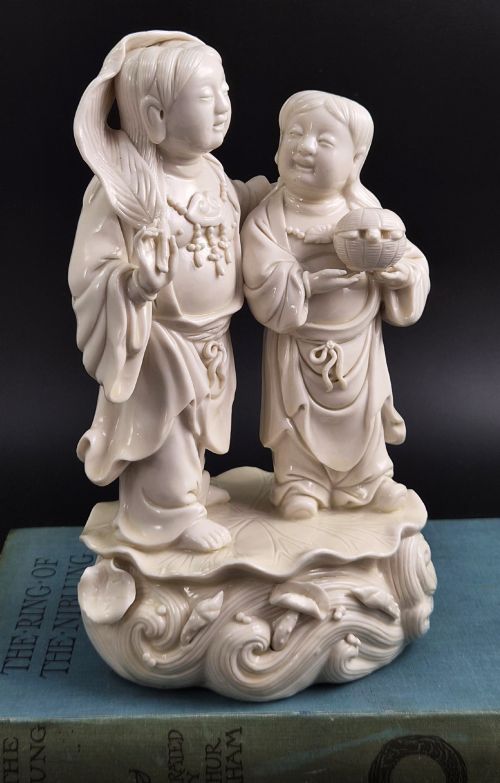
Potters shaped these figures from terracotta, earthenware, stoneware and porcelain, applying lead glazes, enamel decoration and mineral pigments to the surfaces. The earliest examples rely on fired clay and pigment, while later pieces utilise vibrant sancai multi-coloured glazes, famille rose enamels and crisp blanc-de-Chine porcelain.
Firing techniques varied from low-temperature burial pottery to high-fired imperial porcelain kilns such as Dehua and Shiwan. The interplay of body clay, carved detail and running glaze defines the physical presence of each piece.
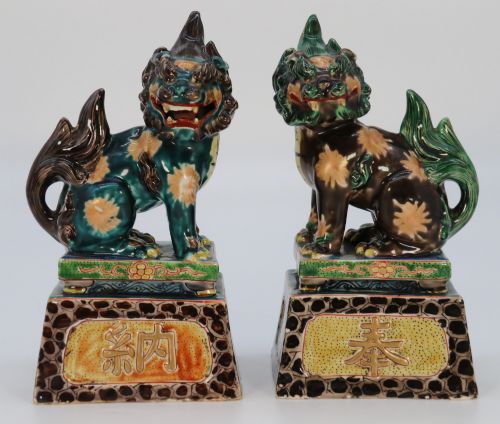
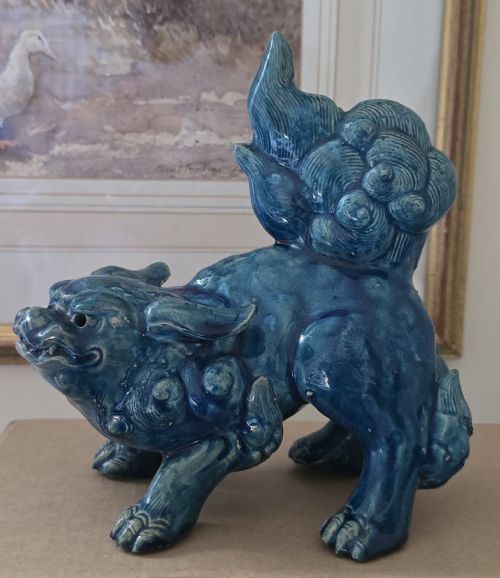
Glaze treatments across these selections include turquoise, yellow, lead glaze, enamel and sancai finishes on both animal and human forms.
Judgement of quality
Quality rests upon the crispness of the modelling, the control of the glaze and the fidelity of the form to its period style. A strong piece shows confident carving in the clay and an expressive posture, whether in the stance of a horse or the facial expression of an immortal.
The depth and application of the glaze further distinguish standard production from exceptional work. Rich, even colour coverage and well-preserved surface pigments elevate the visual weight of the sculpture.
The Chinese Ceramic Sculpture Glossary
- Sancai
- Three-colour glaze technique characteristic of Tang Dynasty pottery, typically combining amber, green and cream tones. This lead-glazed finish runs naturally across the clay body during firing.
- Blanc-de-Chine
- White porcelain produced at Dehua in Fujian province, known for its milky glaze and smooth integration with the modelled body. It was widely used for religious and secular figures.
- Mingqi
- Burial objects placed in tombs to accompany the deceased into the afterlife, including attendants, animals and dancers. These figures provide direct archaeological evidence of early styles.
- Famille rose
- Palette of opaque enamel colours introduced in the Qing Dynasty, dominated by pink and rose shades. It allowed for delicate pictorial detail on porcelain figures and vessels.
- Shishi
- Guardian lion or foo dog depicted as a stylized beast, often modelled in pairs to protect doorways or shrines. Potters frequently finished these figures in bright turquoise or yellow glazes.
Chinese Ceramic Sculpture: Frequently Asked Questions
How do I date an old figure?
Dating relies on the combination of clay body, glaze type and stylistic conventions associated with specific periods like the Tang or Qing Dynasties. Examination of the unglazed areas of the foot or base often reveals the age of the material.
Changes in palette and moulding techniques across centuries help narrow down the likely era of production.
Were these figures meant for display?
Many early pieces, such as Han and Tang figures, served as tomb furniture placed underground to serve the deceased. Later ceramics from the Qing period onwards were made for domestic display, scholarly desks and temple interiors.
Both funerary and decorative pieces share a high level of sculptural ambition.
How should I clean my sculpture?
Dusting with a soft, dry brush is sufficient for most glazed and unglazed ceramic surfaces. Avoid using water or liquid cleaners, particularly on pieces with delicate low-temperature pigments or friable terracotta.
Keeping the piece away from direct sunlight preserves surface colours over time.
What is the difference between earthenware and porcelain?
Earthenware is fired at lower temperatures, producing a porous, opaque body that is often painted with pigments or coated in lead glaze. Porcelain is fired at much higher temperatures using kaolin clay, resulting in a vitrified, non-porous white body.
Porcelain figures usually show greater resistance to wear and feature refined glaze finishes.