


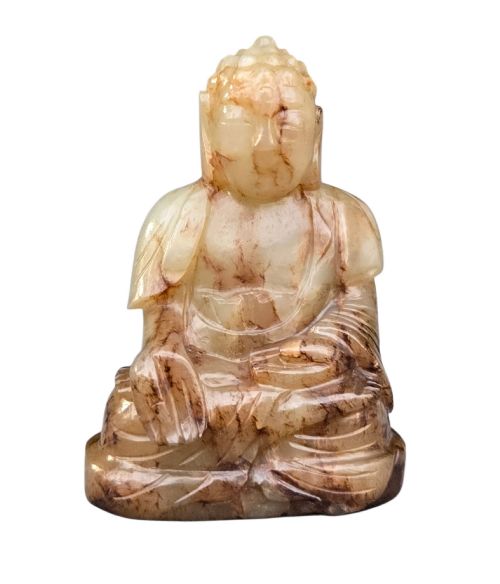

Chinese Celadon Jade Carving
A Chinese celadon jade carving brings centuries of mineral art into the hand, offering pale green tones shaped into traditional figures, animals, and ritual vessels.
Chinese Celadon Jade Carving
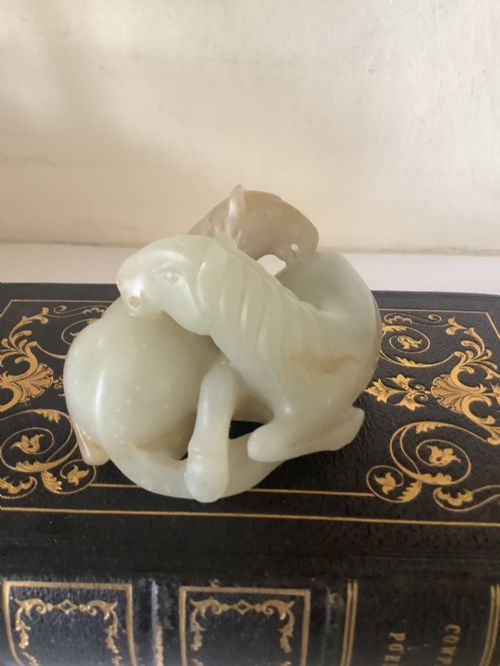
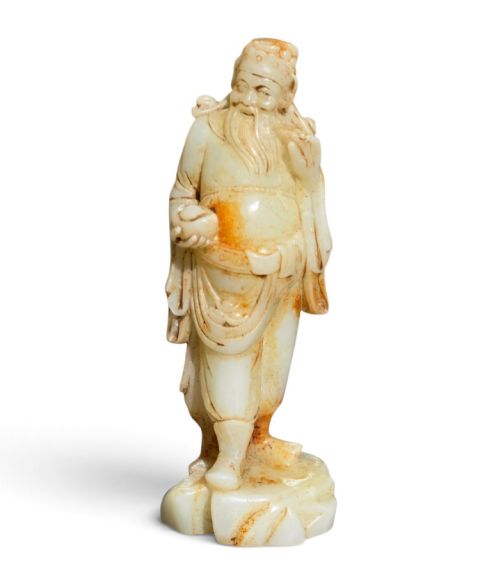
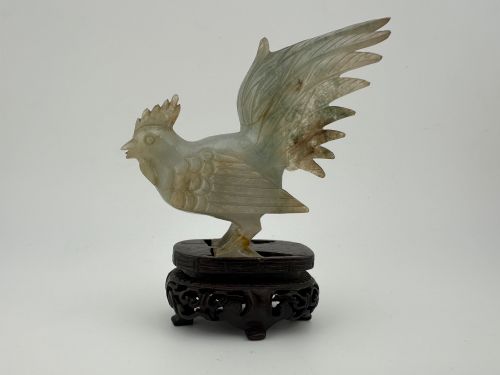
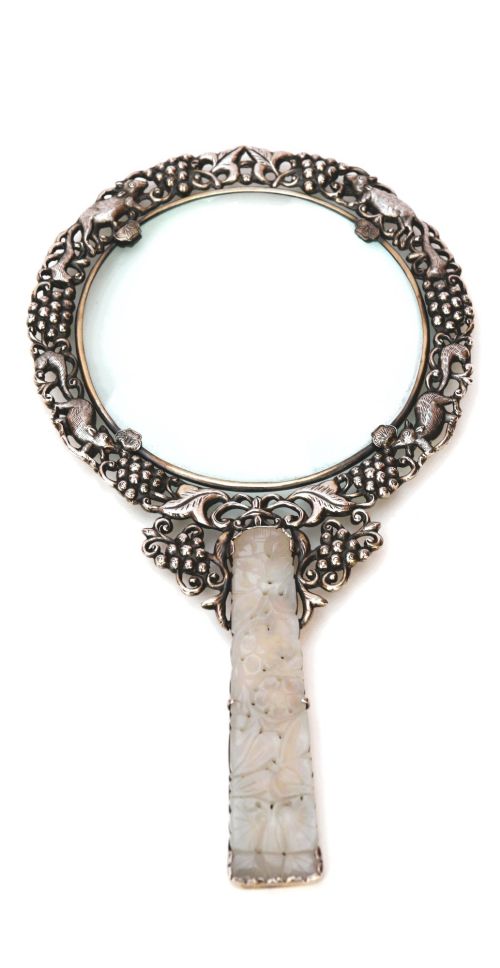
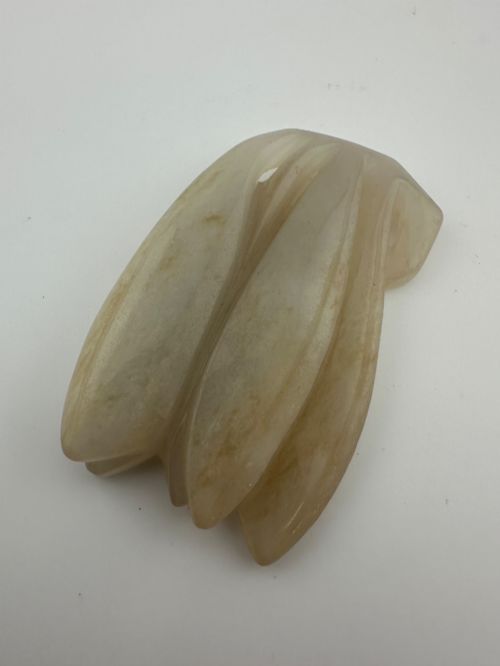
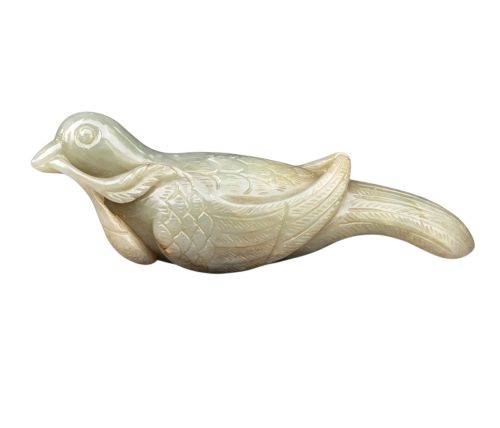
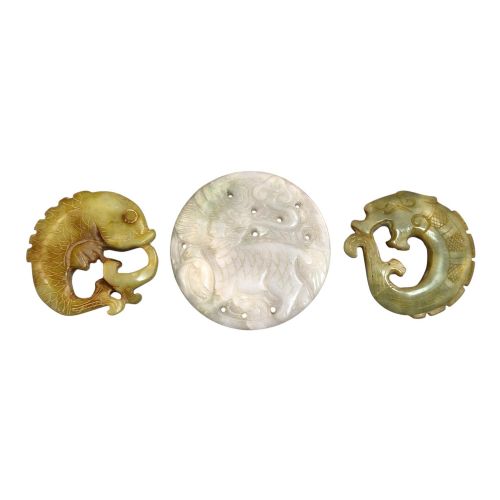
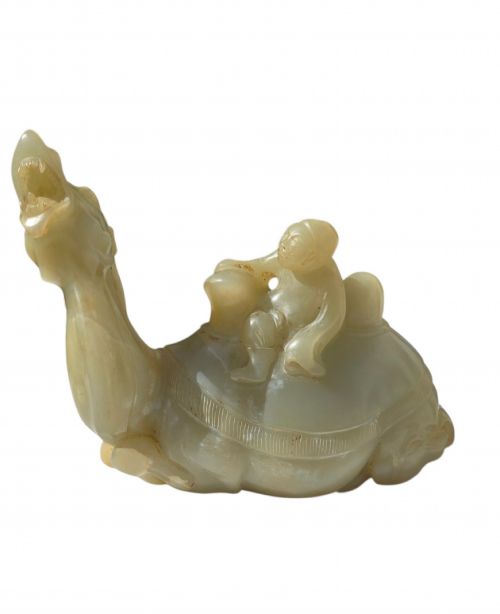
A Chinese celadon jade carving comprises everything from cicada amulets and water bird scholar's ornaments to monumental mountain landscape sculptures and lotus-form cups. These pieces cross periods spanning the pre-sixteenth century, Ming and Qing dynasties, through to the Republic era and early twentieth century. You will frequently meet pale celadon tones alongside hardstone, jadeite, nephrite, and bowenite serpentine grouped on traditional hardwood stands.
The sculptural forms range from miniature fish and seated Buddha figures to large ceremonial vessels, brush washers, and intricate plaques. Many incorporate auspicious motifs such as the qilin, chilong dragon, carp, pixiu, and small boys with birds' nests. These objects reflect centuries of lapidary skill applied to ritual, domestic, and scholarly use.
The origin of these works lies firmly in traditional Chinese craftsmanship, with styles shifting from imperial Qing dynasty workshops to the later Republic period. Pieces emerge across Victorian and Edwardian cataloguing alongside strict period designations like the Qianlong reign. Buyers encounter everything from small pendants to large bonsai jardiniere arrangements.
Materials and Lapidary Techniques
Carvers worked tough mineral masses including nephrite jade, jadeite, bowenite serpentine, and hardstone using abrasive sands and rotational friction rather than modern steel blades. This ancient reduction method allowed artisans to achieve deep undercut details, double-sided relief, and smooth hollow interiors for items like brush washers and water vessels.
The distinct pale celadon colour often dictated the subject matter, with russet skin inclusions cleverly integrated into designs like fruit, foliage, or animal forms. Once shaped, surfaces received meticulous polish to enhance the greasy, waxy lustre characteristic of true nephrite.
Listings feature hardstone, jadeite, nephrite jade, serpentine, and traditional hardwood stands.
Assessing Quality and Execution
The division between average and exceptional work rests on the harmony between the natural stone and the carver's vision. Superior pieces utilise the inherent colour variations and russet inclusions of the celadon jade to define anatomical details or landscape elements, while lesser examples treat the material as a uniform medium.
Depth of relief and spatial control distinguish master lapidaries from routine workshops. A high-grade carving displays crisp undercut limbs, balanced composition in complex groups like mountain landscapes or dragon motifs, and disciplined polishing that retains sharp edge definition without rounding the contours.
The Chinese Celadon Jade Carving Glossary
- Celadon
- A pale green jade tone derived from iron oxides within the stone. It forms the primary colour palette for many traditional scholar's objects and vessels.
- Nephrite
- A dense amphibole mineral comprising one of the two primary jade species. It resists steel tools and requires abrasive cutting techniques.
- Qing Dynasty
- The final imperial dynasty of China spanning from the mid-seventeenth to early twentieth century. This era produced the bulk of intricate decorative carvings seen today.
- Qilin
- A mythical hooved chimerical creature appearing frequently in traditional Chinese art. It symbolises prosperity and serenity.
- Bi Disc
- A flat perforated circular jade artefact associated with ancient ritual. Later dynasties revived the form as an amulet or decorative carving.
Chinese Celadon Jade Carving: Frequently Asked Questions
How can I tell old jade from modern copies?
Examination under magnification reveals tool marks, polish consistency, and mineral alteration. True age shows natural surface softening and genuine wear patterns rather than artificial acid ageing.
Old pieces also demonstrate traditional Chinese iconography applied with historical accuracy rather than generic modern interpretations.
What is the difference between jadeite and nephrite?
Nephrite is a calcium-magnesium silicate with a fibrous interlocking structure that makes it extremely tough. Jadeite is a sodium-aluminum silicate that tends to be more crystalline and glassy.
Both materials appear across Chinese carvings, though nephrite dominates the earlier imperial periods.
Why do some carvings feature brownish patches?
The brown or russet areas represent the natural outer skin or weathering of the boulder from which the carving was cut. Skilled lapidaries often incorporated these zones into the design to represent fur, earth, or autumn foliage.
Rather than a fault, this integration demonstrates artistic mastery over the raw stone.
How should I display a jade sculpture?
Display these carvings away from direct sunlight and extreme temperature fluctuations to protect the mineral structure. Many significant pieces sit securely upon custom carved hardwood stands designed specifically for the sculpture's base.
Handling should be done with clean hands to prevent skin oils from dulling the historical polish.