



Qing Dynasty Hardstone Carving
A qing dynasty hardstone carving brings carved mineral into the room, offering small snuff bottles and larger figures shaped by imperial taste.
Qing Dynasty Hardstone Carving
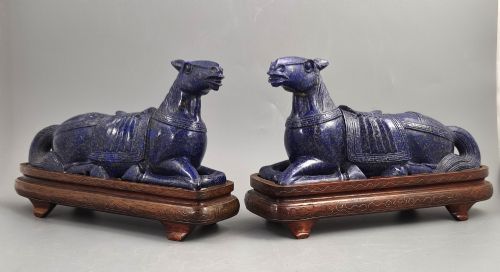
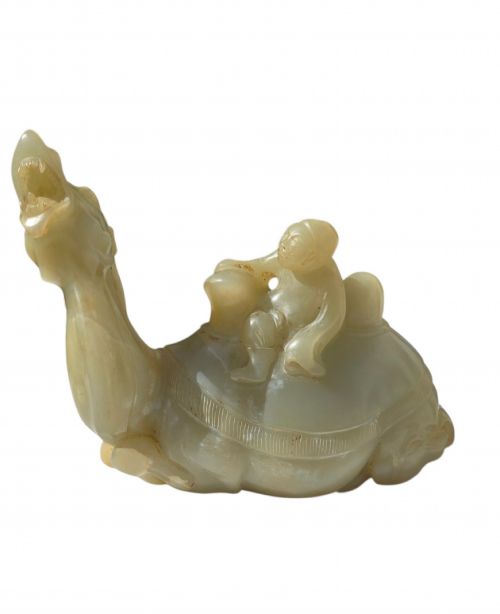
When you search for a qing dynasty hardstone carving, you enter a field defined by snuff bottles, small statues, wall art, and ceremonial vessels. These pieces range from cabinet-size rock crystal and agate bottles to larger figures of sages, horses, and camels in bowenite serpentine and jadeite.
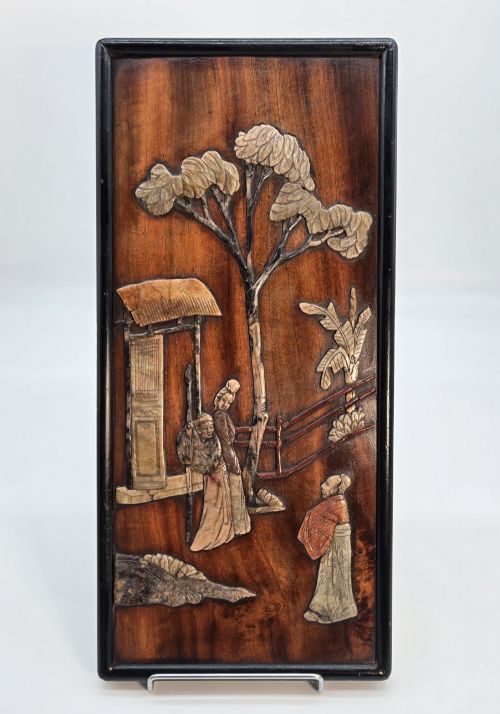
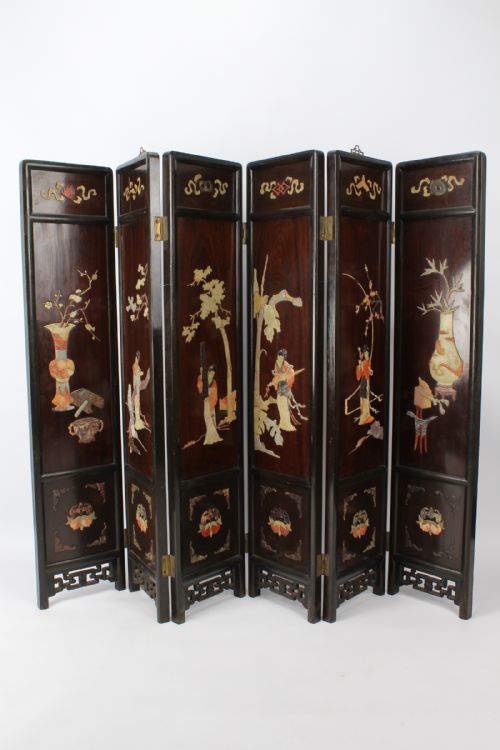
The objects span the eighteenth and nineteenth centuries into the early republic period. You will encounter framed pictures, folding fire screens, and bonsai trees set with mixed carved hardstone alongside freestanding sculptures and figurines.
How they were made
Carvers shaped these hardstone pieces from jade, jadeite, agate, soapstone, bowenite, serpentine, and rock crystal, frequently mounting them on hardwood bases or within stone framed pictures. Some works incorporate gilt metal stoppers and mother of pearl details alongside cloisonne elements.
Techniques relied on abrasive cutting and grinding to achieve openwork prunus designs, hollowed snuff bottles, and detailed figures of riders, animals, and sages.
Listings feature items spanning the eighteenth century, the nineteenth century, and the early republic period up to nineteen thirty.
What varies in quality
Quality rests in the ambition of the carving and the material choice, moving from standard cabinet objects to monumental grouped figures like the camel and rider. Master-carved openwork and fluid handling of difficult stones distinguish the upper tier of execution.
The relationship between the natural inclusions of the stone, such as agate banding or crystal clarity, and the subject matter dictates the success of each piece.
The Qing Dynasty Hardstone Carving Glossary
- Hardstone
- A non-precious or semi-precious mineral carved into decorative objects, distinct from softer stones like alabaster. It includes jade, agate, and serpentine.
- Bowenite
- A hard, serpentine rock with a dense structure and a jade-like appearance. Carvers utilised it for animal groups and substantial figures.
- Openwork
- Material cut right through to create a pierced design with depth and space. It appears on master-carved cabinet pieces.
- Snuff Bottle
- A small container designed to hold powdered tobacco. These bottles feature hollowed interiors and fitted stoppers in hardstone and gilt metal.
Qing Dynasty Hardstone Carving: Frequently Asked Questions
What is a qing dynasty hardstone carving?
It is an object carved from mineral materials during the Qing period or influenced by its style, ranging from snuff bottles to statues and framed pictures.
Materials include jade, agate, bowenite, and rock crystal, shaped into figures, vessels, and decorative scenes.
How were snuff bottles used?
Snuff bottles held powdered tobacco used by Qing society as a social commodity and status symbol. Owners carried them in pockets or pouches.
The small stoppers sealed the interior, while the carved exterior displayed the skill of the lapidary.
How do I date a carving?
Dating relies on stylistic markers associated with the eighteenth and nineteenth centuries, alongside the characteristics of the material and mounting. Pieces often align with Qing Dynasty aesthetics or the late Qing and early Republic transition.
Comparing the depth of carving and the choice of subject matter helps place the object within its historical period.
What stones are most common?
The evidence shows jade, jadeite, agate, soapstone, bowenite, serpentine, and rock crystal used across various forms. Hardwood often supports these stone elements.
Stones vary from translucent crystals to opaque hardstones carved into figures of sages and animals.