




Chinese Carved Wood Dragon
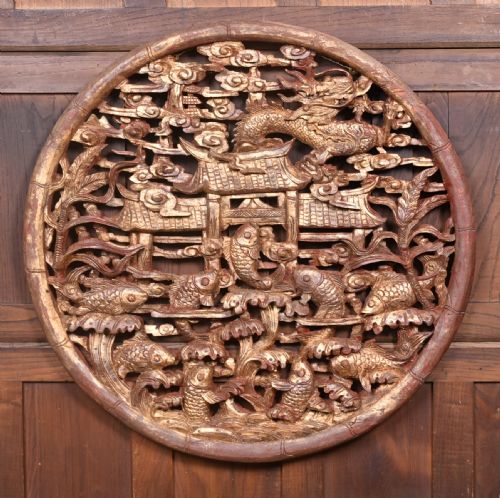
These pieces of chinese carved wood dragon capture intricate mythological motifs across centuries of craftsmanship.
Chinese Carved Wood Dragon
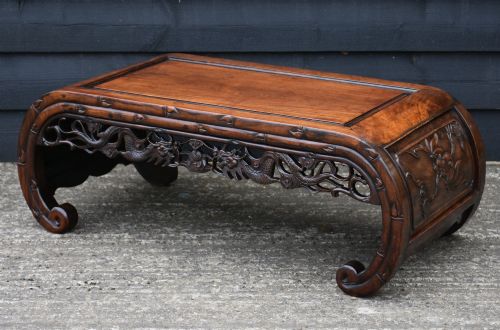
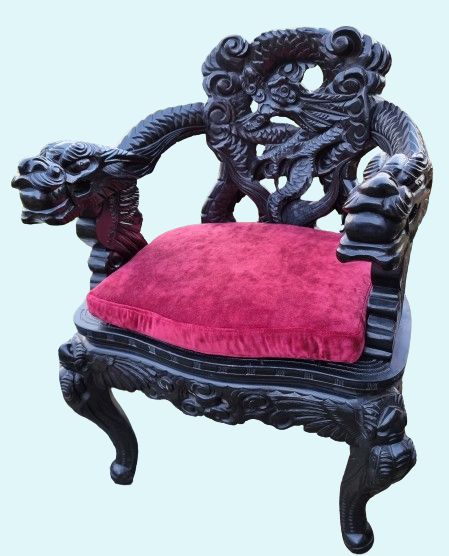
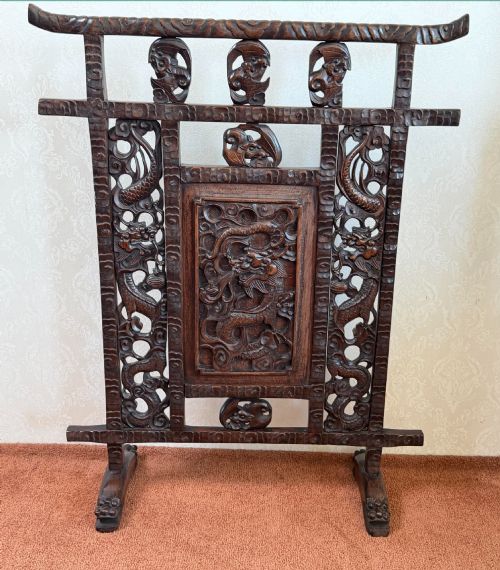
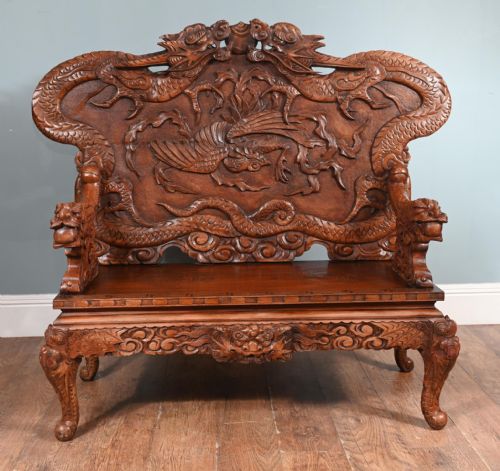
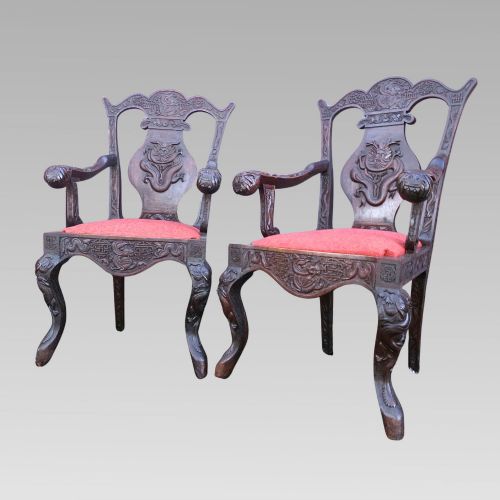
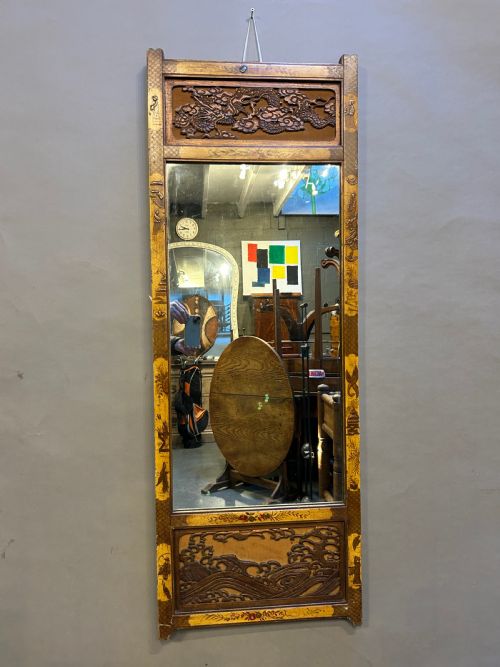
When searching for chinese carved wood dragon, buyers encounter a diverse array of furniture and decorative objects originating from the nineteenth and early twentieth centuries. These items range from seating such as armchairs and hall benches to display cabinets, tables, storage chests, and carved panels.
The objects frequently reflect traditional Chinese aesthetics, Qing Dynasty influences, and later export styles tailored for Western markets. Hardwoods heavily dominate the selection, bringing substantial weight and dark tones to the forms.
Materials and Techniques
Craftsmen utilised dense timbers such as rosewood, camphor wood, elm, and general hardwoods to provide a stable base for deep relief carving. Artisans executed intricate scales, claws, and undulating serpent bodies directly into the wood substrate.
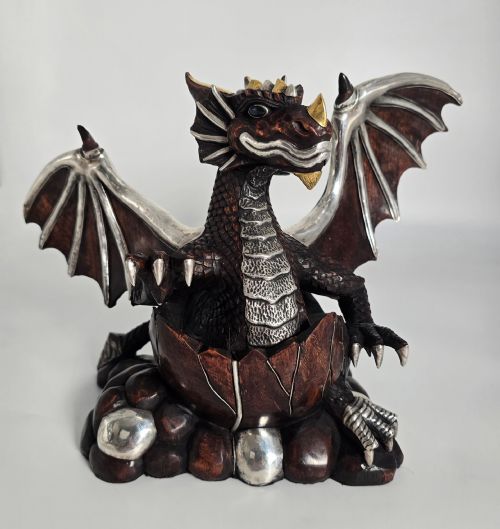
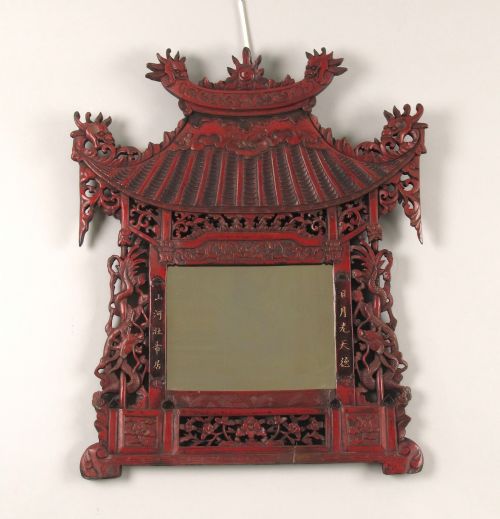
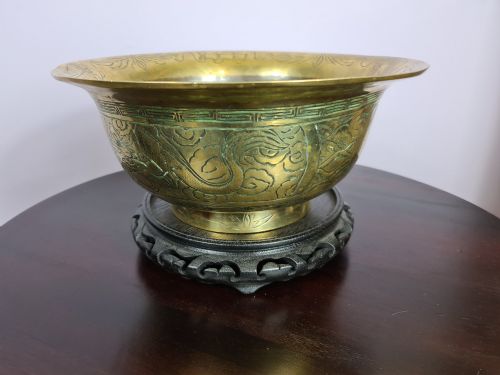
Secondary elements often incorporate lacquer, brass mountings, mixed metals, or mother of pearl inlay to accent the primary carved structures. Joinery techniques varied from traditional frame and panel construction to sturdy pegged joints designed to support heavy ornamentation.
Listings feature items spanning the nineteenth century through the nineteen thirties, including Victorian and Edwardian examples.
Quality Variations
Structural integrity and the preservation of original surfaces, whether polished hardwood or layered lacquer, influence the overall character of each piece. Retaining matching components, original hardware, and uncompromised carved panels marks the upper tier of surviving items.
The Chinese Carved Wood Dragon Glossary
- Hardwood
- Dense timber derived from broad-leaved trees, providing durability and a smooth surface for detailed carving. Rosewood and camphor wood are common examples found in these pieces.
- Qing Dynasty
- The final imperial dynasty of China, spanning from sixteen forty-four to nineteen twelve, known for ornate decorative arts. Pieces from this era often feature traditional imperial dragon motifs.
- Chinoiserie
- European decorative style reflecting Chinese artistic influences, popular during the eighteenth and nineteenth centuries. It often combines European furniture forms with Asian carved motifs.
- Cinnabar Lacquer
- A decorative coating made from the sap of the lacquer tree mixed with cinnabar powder, applied in multiple layers. Artisans then carve intricate designs into the hardened surface.
- Torchiere
- A tall floor lamp or stand designed to direct light upwards. In Chinese export pieces, these often take the form of heavily carved wooden dragon pillars.
Chinese Carved Wood Dragon: Frequently Asked Questions
How do I care for carved wood?
Keep wooden items away from direct sunlight and steady heat sources to prevent the material from drying out and splitting. Dust regularly with a soft cloth and apply appropriate furniture wax sparingly.
Avoid using liquid cleaners or silicone-based polishes that can damage antique finishes and delicate carved recesses. Maintaining stable indoor humidity preserves the structural integrity of the timber and joins.
What is camphor wood used for?
Camphor wood is traditionally utilised for storage chests, blanket boxes, and trunks due to its natural aromatic properties. The distinct scent helps deter insects while protecting textiles stored inside.
Over time, the wood darkens gracefully while retaining its characteristic grain and subtle fragrance. These chests often feature carved dragon panels on the exterior lid and front.
How are nineteenth century pieces identified?
Nineteenth-century items typically display hand-cut joinery, patination appropriate to age, and specific regional construction methods. Tool marks left by traditional chisels often remain visible within unexposed areas.
Stylistic markers such as Qing Dynasty motifs or export trade adaptations help narrow down the production era. Comparing the wood density and lacquer wear also assists in confirming age.
Where were export items made?
Export pieces were produced in workshops across China specifically to cater to Western trade demands during the late Qing Dynasty. Major coastal ports and craft centres supplied furniture for international markets.
These workshops adapted traditional motifs like the five-clawed dragon to suit European interior tastes. The resulting items merged Eastern carving techniques with Western furniture forms.