





Chinese Carved Lamp Base
A Chinese carved lamp base brings hand-carved woodwork and rich porcelain into a room with genuine antique character.
Chinese Carved Lamp Base
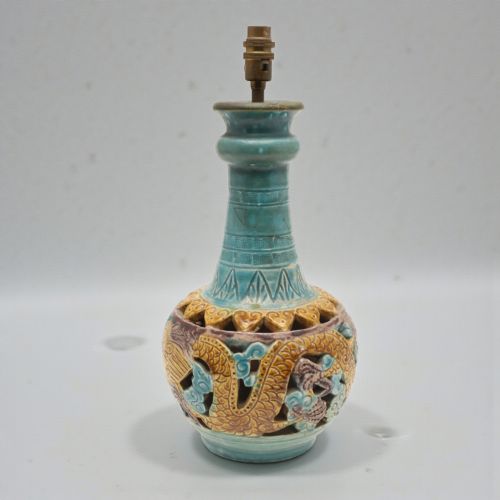
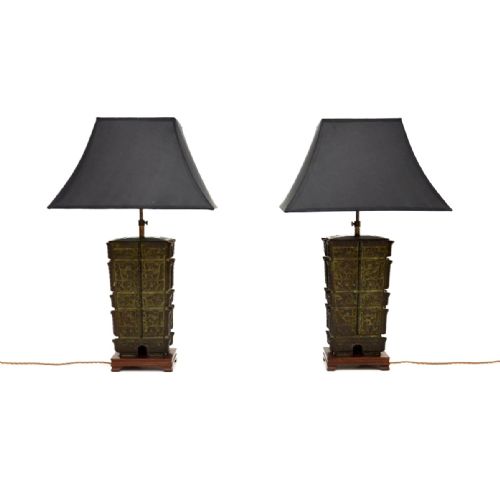
When you search for a chinese carved lamp base, you are looking at nineteenth-century table lamps and torchieres formed from carved root wood, hardwood, and porcelain vases. The selection centres on nineteenth-century creations, including root wood table lamps and ginger jars or baluster vases adapted into lighting.
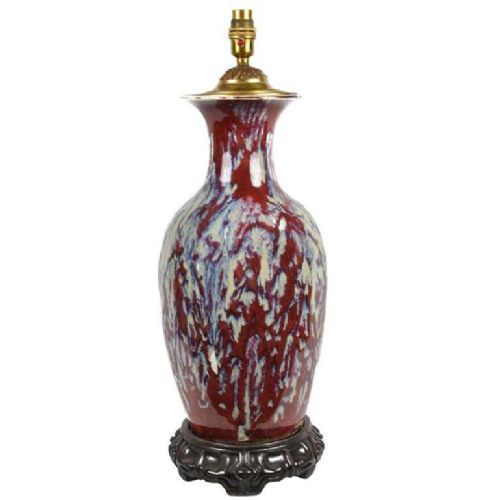
You are most likely to meet carved root wood bases and porcelain vase lamps bearing famille verte, famille rose, celadon, or sang de boeuf glazes. These pieces bridge traditional Chinese artistry and practical interior lighting from the nineteenth century and the early twentieth century.
How they were made
The makers utilised natural hardwoods and root wood, shaping organic timber into complex sculptural forms that follow the natural contours of the grain. Porcelain components take the form of thrown baluster vases and ginger jars finished with coloured glazes.
Vessels feature hand-painted overglaze enamels in famille rose and famille verte palettes, alongside monochrome celadon and sang de boeuf glazes fired in kilns. Brass mounts and fabric silk shades often complete the conversion from vessel to lamp.
Chinese Carved Lamp Base Retail Price Guide 2026
Typical asking prices for chinese carved lamp base among the pieces listed under this phrase on Sellingantiques today, from the lower quarter to the upper quarter. They describe what is for sale here now, not the wider market.
Listings span the nineteenth century up to 1920, incorporating materials such as brass, porcelain, hardwood, root wood, silk, and marble.
What varies in quality
Quality rests in the depth and crispness of the timber carving, where root wood displays deliberate sculptural control rather than clumsy shaping. Porcelain pieces show their merit through the richness of the glaze colour and the precision of the painted detail.
The integrity of the original vessel form before its conversion dictates the standing of the piece. Superior examples retain their original proportions and balance without awkward alterations to accommodate electrical fittings.
The Chinese Carved Lamp Base Glossary
- Root wood
- Timber sourced from the root system of a tree, prized for its gnarled, twisting grain and organic shapes. Carvers work with these natural contours to create sculptural lamp bases.
- Celadon
- A term for pottery denoting both wares glazed in jade green and the green glaze itself. This translucent finish appears on nineteenth-century vases.
- Famille Rose
- A major palette of Chinese ceramic overglaze enamels introduced in the Qing dynasty. It is distinguished by its opaque pink or rose colour derived from colloidal gold.
- Sang De Boeuf
- A French term meaning ox-blood, used to describe a deep red copper-based glaze. This rich monochrome finish coats porcelain vase lamps.
- Torchiere
- A tall standing floor lamp designed to direct light upwards. The evidence includes large carved wooden examples from the late nineteenth century.
Chinese Carved Lamp Base: Frequently Asked Questions
What periods do these lamps come from?
The pieces span the nineteenth century and the early decades of the twentieth century. Many date specifically to the late nineteenth century during the Qing dynasty.
Craftsmen created these items using traditional woodcarving and porcelain techniques that define the era.
Are these converted from old vases?
Several examples began life as porcelain vessels such as ginger jars and baluster vases before later conversion into table lamps. Other pieces were carved directly from hardwood or root wood as decorative objects.
This adaptation preserves antique ceramics for modern domestic use.
What materials are most common?
Wood and porcelain dominate the selection, featuring hard woods, root wood, and glazed ceramics. Brass fittings and silk or fabric shades frequently accompany the main body.
Each material brings a distinct texture and weight to the finished lamp.
How do I identify Qing dynasty style?
Qing dynasty style appears through characteristic forms such as baluster vases, traditional carved woodwork, and specific ceramic glazes like famille verte and celadon. The craftsmanship reflects historical Chinese manufacturing traditions.
Objects often display the aesthetic conventions of nineteenth-century export wares.