

Chinese Carved Lacquer
Chinese carved lacquer pieces bring rich depth and intricate relief work into a room through centuries of traditional layering.
Chinese Carved Lacquer
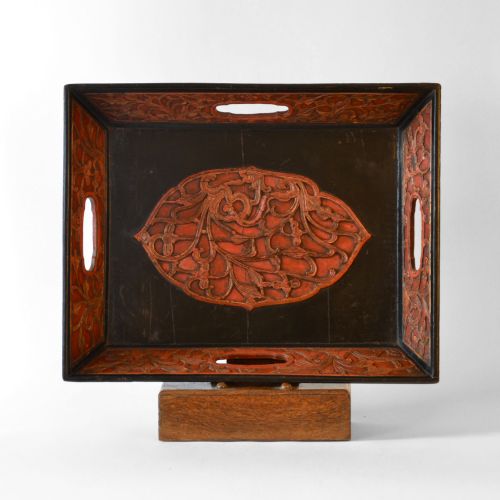
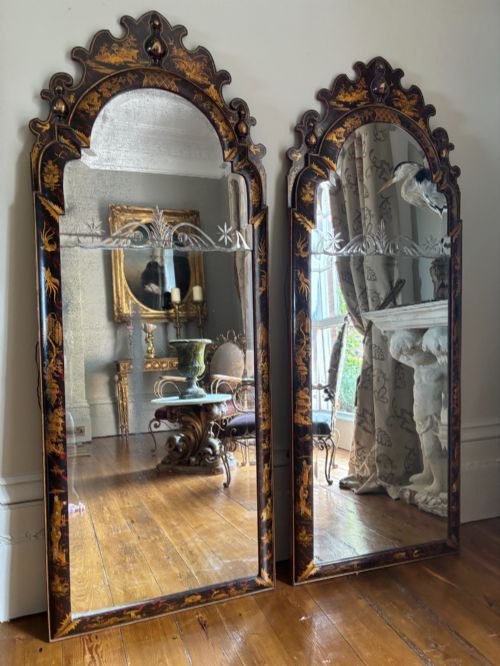
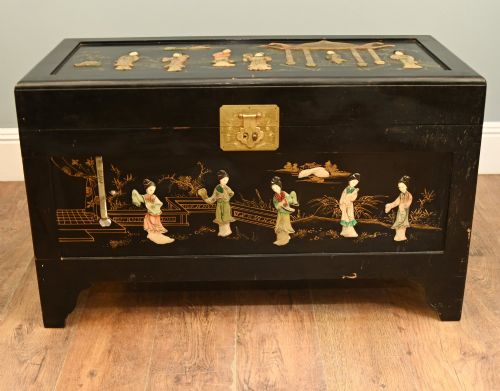
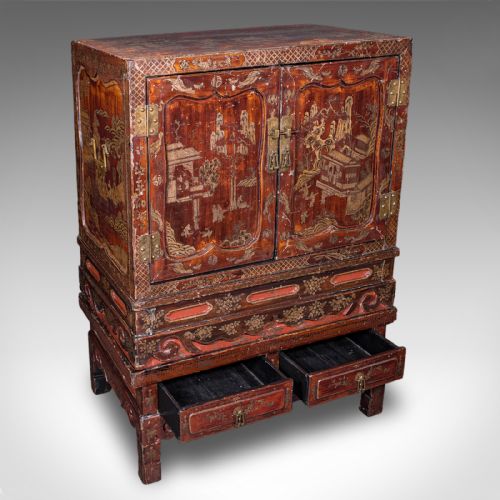
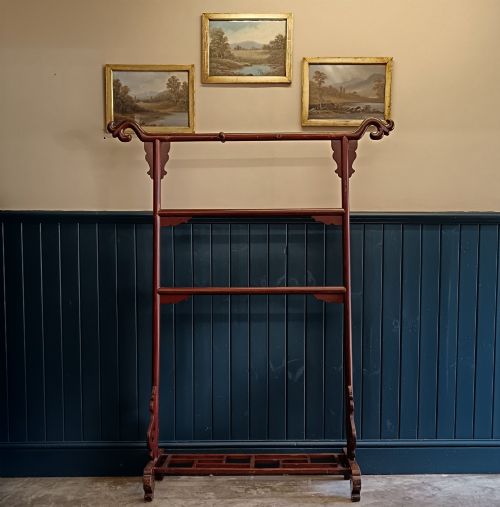
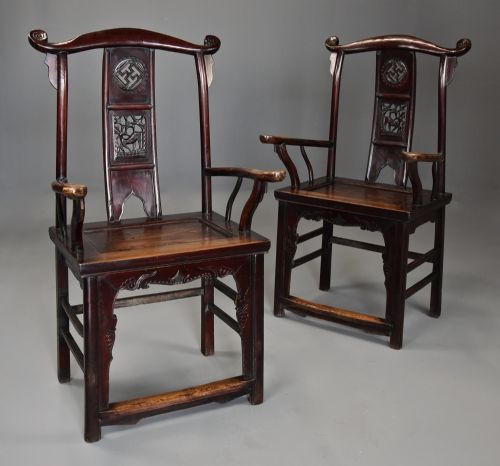
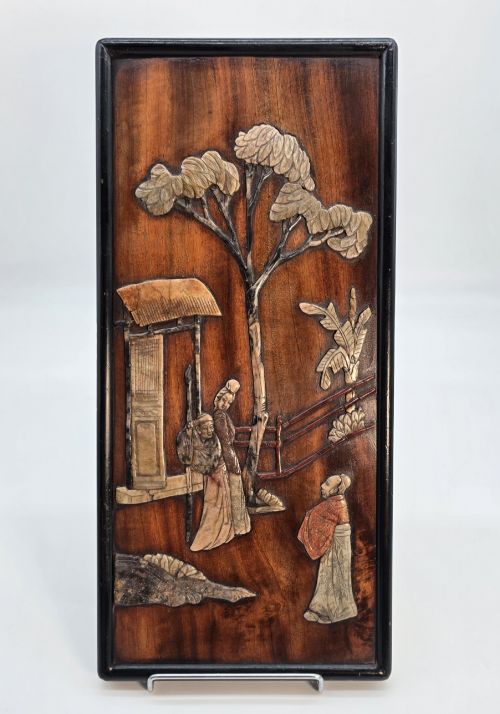
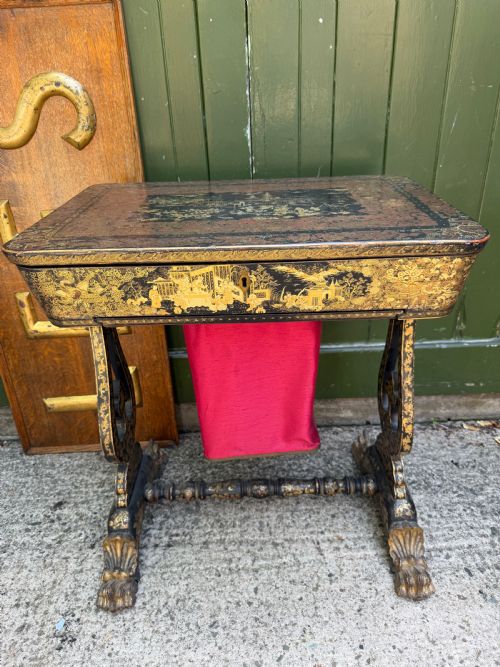
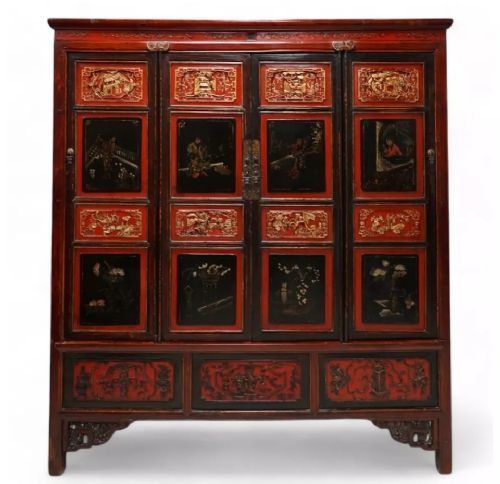
The objects take many forms, including marriage chests, console tables, and seating such as yokeback armchairs and concubine chairs. Red cinnabar lacquer predominates alongside black lacquer, often incorporating gilded decoration, hardstone mounts, or inlaid mother-of-pearl.
Originating largely from Qing Dynasty production and later export periods, these items range from large architectural room dividers to smaller decorative vessels. The pieces reflect traditional Chinese craftsmanship adapted for both domestic use and international trade.
Materials and construction
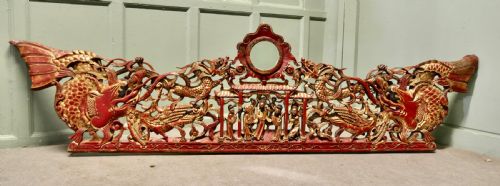
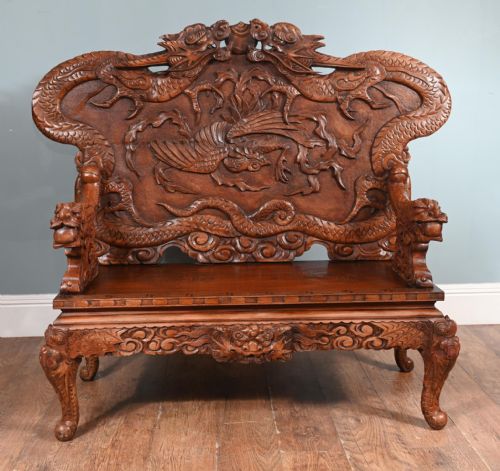
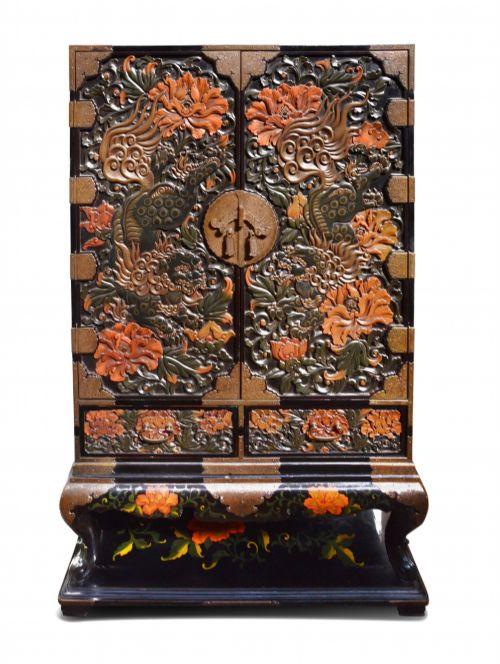
Craftsmen built these pieces using wooden cores of elm, hardwood, or rootwood, applying successive layers of natural lacquer until the coating attained significant thickness. Artisans then carved intricate figural scenes, floral motifs, and dragons directly into the hardened substance.
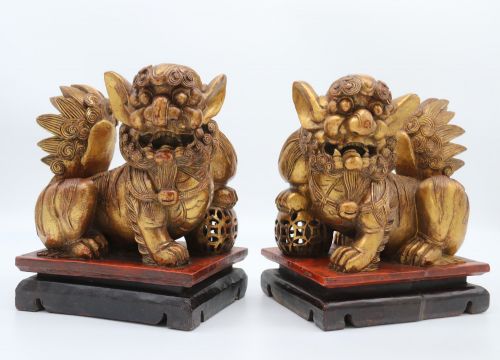
Decoration often involved contrasting details such as gold leaf, polychrome paint, brass fittings, and inlays of abalone or mother-of-pearl. Structural supports relied on traditional joinery within cabinets, benches, and screens.
Chinese Carved Lacquer Retail Price Guide 2026
Typical asking prices for chinese carved lacquer among the pieces listed under this phrase on Sellingantiques today, from the lower quarter to the upper quarter. They describe what is for sale here now, not the wider market.
Listings span from the eighteenth century through the Qing Dynasty and Republic Period, utilising elm, hardwood, and brass alongside lacquer.
Evaluating quality and depth
Quality rests primarily on the depth and crispness of the carving within the lacquer layers, where sharper relief and smoother undercut details distinguish finer works. The structural integrity of the underlying wood core, whether elm or general hardwood, also defines longevity.
Surface preservation significantly influences the standing of a piece, particularly the stability of the lacquer coat against flaking or heavy wear. Original patination, intact gilding, and well-preserved inlays complete the assessment of superior examples.
The Chinese Carved Lacquer Glossary
- Cinnabar lacquer
- A specific type of carved lacquer coloured red using mercuric sulphide, applied in multiple coats before being deeply carved. It forms the basis of many traditional lidded boxes and panels.
- Coromandel screen
- A heavy wooden folding screen coated in dark lacquer, carved through to reveal a coloured ground, and occasionally painted. These items often feature numerous panels depicting figurative or landscape scenes.
- Yokeback armchair
- A traditional seating form characterised by a top rail resembling a yoke, frequently produced in elm with distinct patination. Examples in this inventory combine this frame with original red lacquer surfaces.
- Hardstone-mounted
- The application of carved jades, agates, or other hardstones directly into the lacquer surface. This technique adds texture and colour contrast to cabinets and screens.
- Marriage cabinet
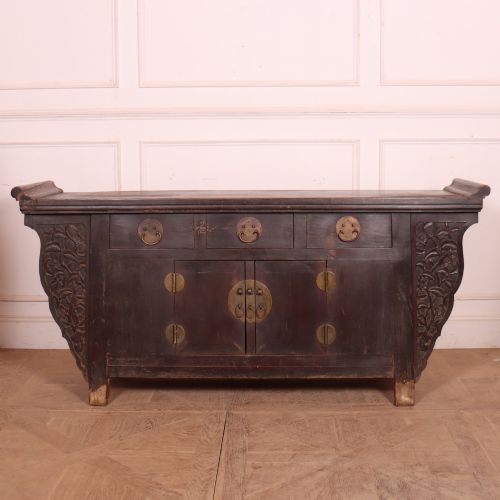
- A large storage piece traditionally used for household linens, typically finished in red or black lacquer with brass hardware. These cabinets often date from the nineteenth century.
Chinese Carved Lacquer: Frequently Asked Questions
How do I care for chinese carved lacquer furniture?
Keep pieces away from direct sunlight and sudden temperature shifts to prevent the lacquer from drying and cracking.
Dust gently with a soft, dry cloth and avoid applying modern chemical polishes or water directly to the carved surfaces.
Where were these lacquered items originally placed?
Larger objects like folding screens and marriage cabinets stood within principal rooms of traditional homes to divide spaces or store garments.
Smaller vessels and plaques served as decorative accents on tables or mounted to walls.
How can I distinguish between different periods?
Earlier pieces from the eighteenth century often display deeper, more restrained carving and specific material patination associated with the Qianlong era.
Nineteenth and early twentieth-century examples frequently incorporate brighter polychrome highlights and varied export styles.
What is the difference between red and black lacquer?
Red lacquer typically utilises cinnabar pigment within the resin layers to achieve its characteristic tone, which was favoured for celebratory and marriage furniture.
Black lacquer relies on different carbon-based colourants and often provides a dark ground for inlaid mother-of-pearl or gold leaf.