
Chinese Carved Jade
Chinese carved jade encompasses centuries of lapidary skill, offering collectors a rich variety of scholar’s objects, jewellery, and decorative sculptures.
Chinese Carved Jade
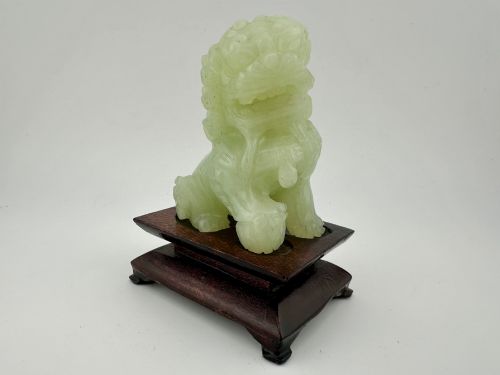
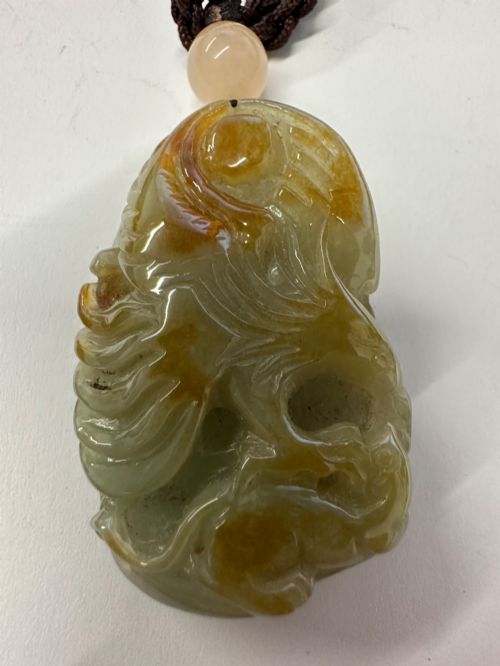
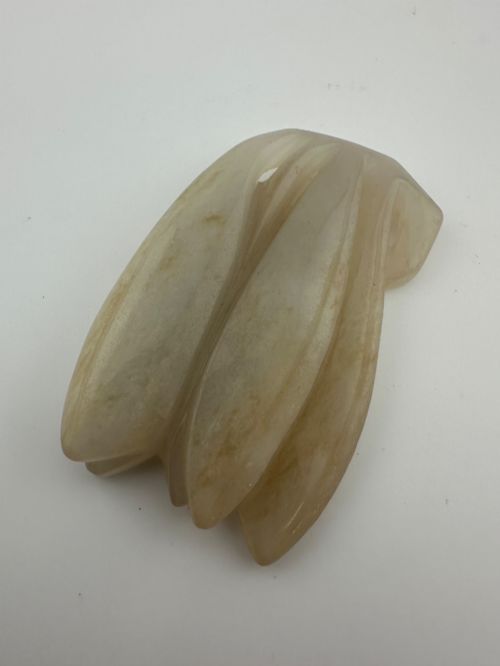
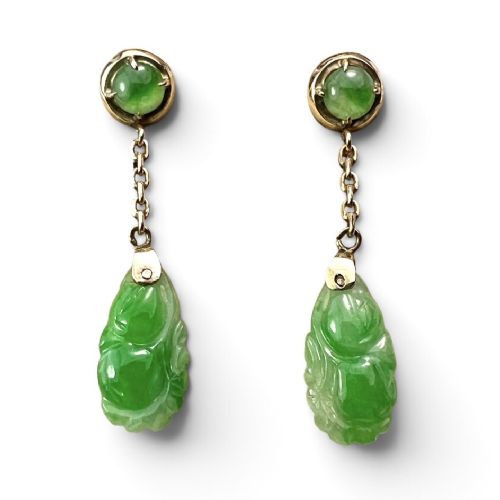
Chinese carved jade encompasses a diverse range of objects, from scholarly brush washers and mountain landscape sculptures to intricate jewellery like drop earrings and rings. Buyers searching this phrase encounter items spanning the 18th century, Qing Dynasty, and later Republic periods, reflecting enduring traditions in lapidary design.
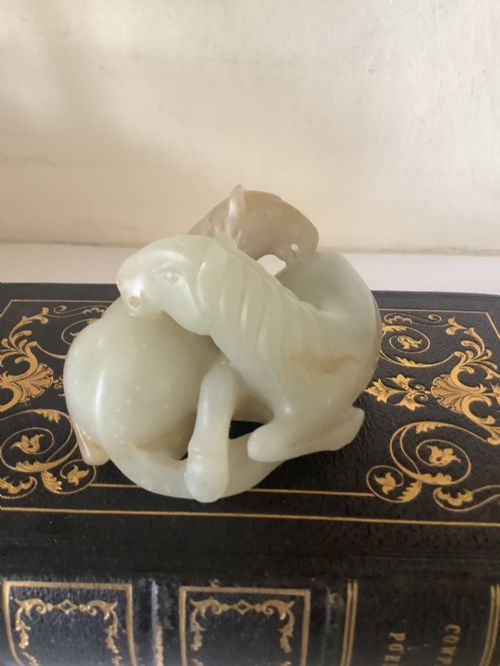
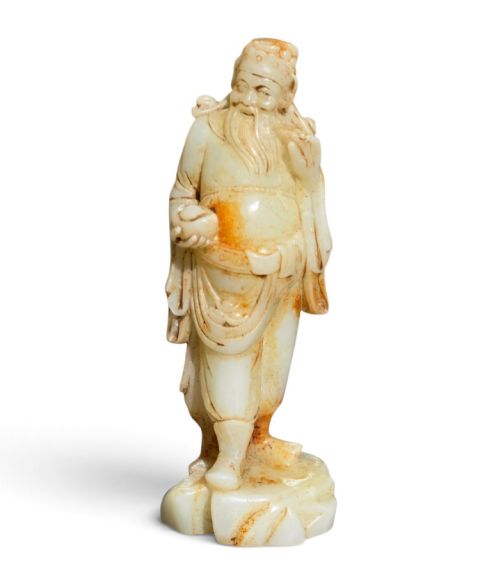
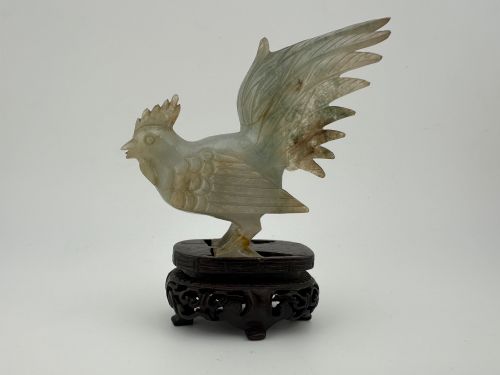
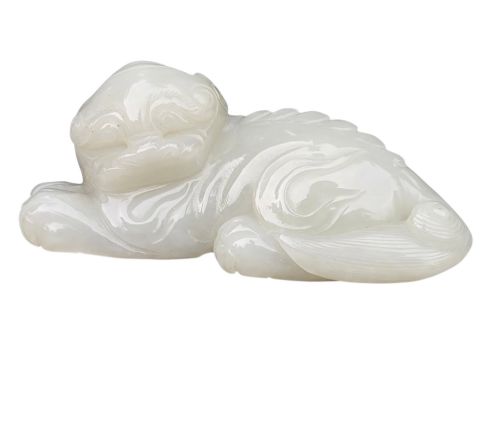
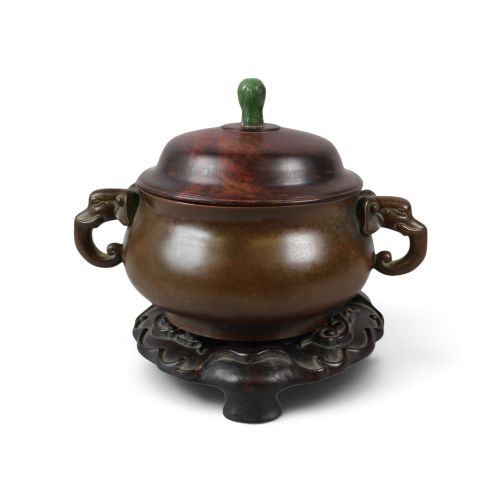
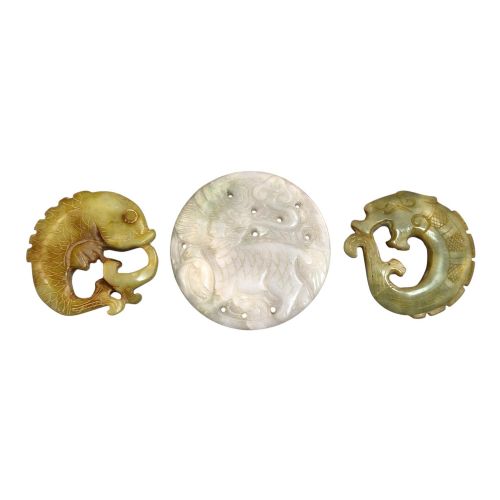
The most common pieces met on this page include pendants, small animal figures, and vessels such as incense burners and cups. These items often incorporate traditional motifs, including mythical beasts, dragons, and floral forms executed in various shades of green, white, and celadon stone.
Materials and Carving Techniques
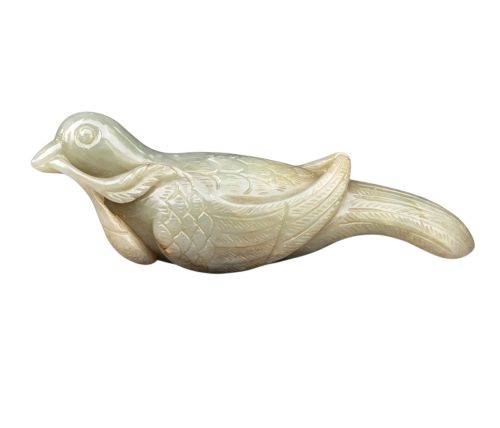
Execution relied on patient abrasive grinding and drilling rather than direct cutting, given the extreme toughness of nephrite and jadeite. This demanding process allowed artisans to produce deeply pierced motifs, smooth water birds, and highly detailed sculptural groups.
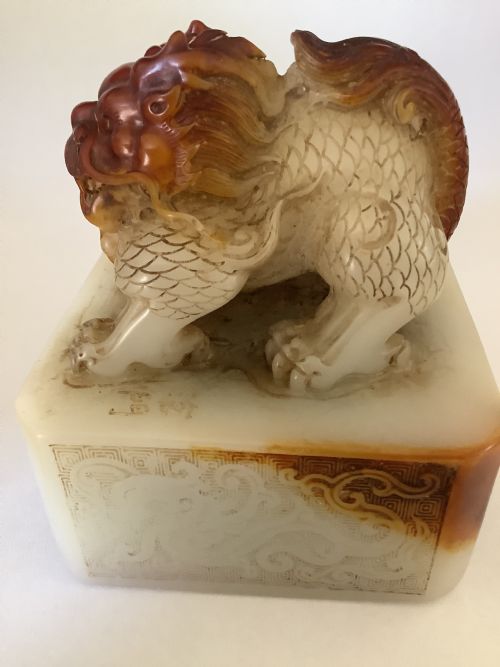
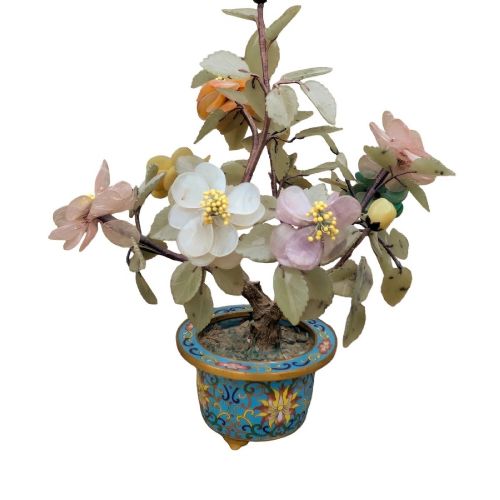
Object forms range widely from functional snuff bottles and desk seals to decorative sculptures, jewellery, and intricate bonsai tree arrangements.
Assessing Quality and Execution
Quality in these carvings rests upon the harmony between the natural characteristics of the stone and the ambition of the lapidary work. Superior pieces display crisp undercutting, balanced proportions, and a tactile polish that respects the grain of the jade without obscuring its inner depth.
The distinction between standard decorative items and finer works also lies in the sensitivity of the design, where anatomical details of mythical beasts or floral arrangements demonstrate confident control over complex, multi-layered compositions.
The Chinese Carved Jade Glossary
- Celadon jade
- A pale green to grey-green stone colour highly prized in traditional Chinese carving. This shade mimics the prized ceramics of earlier dynasties.
- Nephrite
- One of the two distinct mineral species recognised as jade, known for its dense, fibrous structure and immense toughness. It is frequently seen in earlier Qing pieces.
- Jadeite
- A harder and often more vibrantly coloured mineral than nephrite, frequently displaying crystalline translucency. It appears prominently in later jewellery and pendants.
- Archaistic
- A style that consciously emulates the forms, motifs, or patination of ancient bronze or jade vessels from early dynasties. Such pieces pay homage to historic ritual objects.
- Bi disc
- A flat circular jade object with a circular hole in the centre, often associated with ancient ritual and cosmology. Later carvings adapt this ancient silhouette into amulets.
Chinese Carved Jade: Frequently Asked Questions
What is the difference between nephrite and jadeite?
Nephrite and jadeite are two distinct mineral species that share the common designation of jade. Nephrite is a calcium-magnesium silicate with a fibrous interlocking structure, making it exceptionally tough and traditional to earlier Chinese carving.
Jadeite is a sodium-aluminium silicate that tends to be harder, brighter in colour, and more crystalline or translucent. Both materials were worked with great skill across different periods represented here.
How do I care for antique jade jewellery?
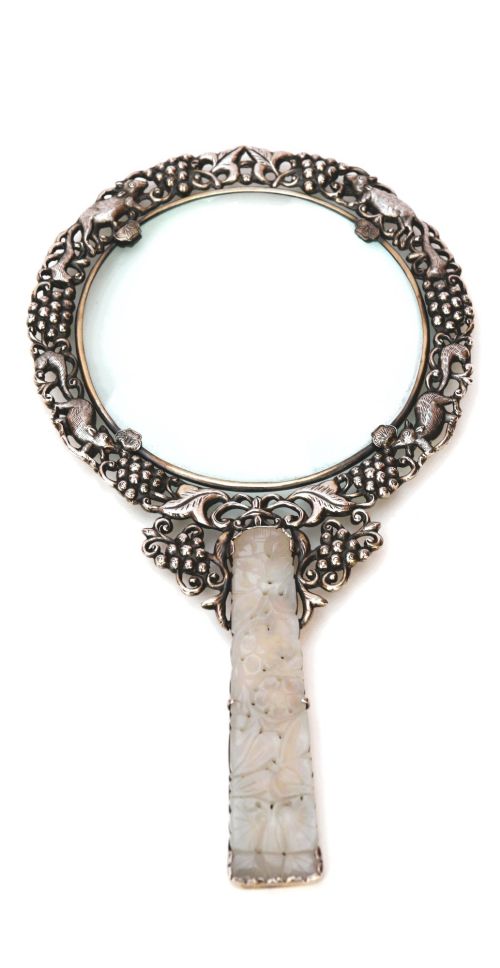
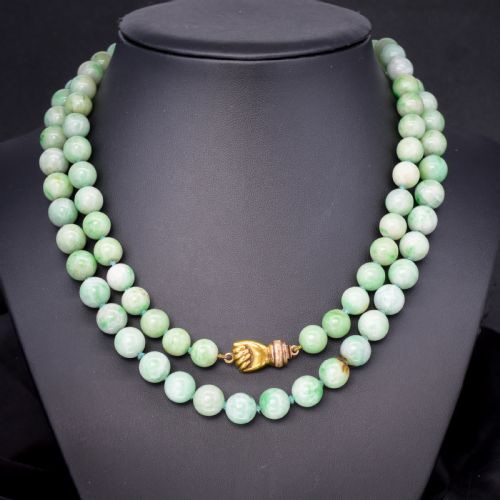
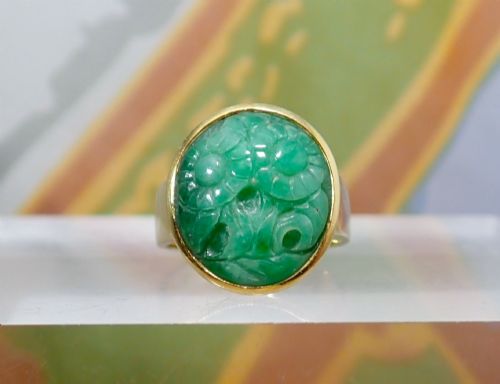
Antique jade jewellery, whether mounted in gold or worn as a beaded strand, benefits from gentle cleaning with warm soapy water and a soft cloth. Avoid harsh chemical cleaners or ultrasonic machines, which can damage softer stones or metal settings.
Store pieces individually to prevent hard jade from scratching adjacent items or softer gold mounts.
What are scholar’s objects?
Scholar’s objects are items created for the desk of a traditional Chinese literatus, including brush washers, water droppers, and mountain landscape sculptures. These pieces were designed to inspire contemplation, poetry, and artistic creation.
Carved from jade or hardstone, they combine utilitarian function with refined sculptural symbolism.
How can I tell the period of a jade carving?
Dating jade relies on a combination of stylistic clues, such as the specific treatment of motifs like dragons or mythical beasts, alongside the tool marks and polish visible under magnification. Earlier Qing pieces often exhibit deep, confident undercutting and specific patination.
Later Republic period and 20th-century items frequently show shifts in form, mounting styles, and brighter stone selections that reflect changing aesthetic demands.