


Chinese Cabinet on Stand
A chinese cabinet on stand brings surface depth and raised form into a room, combining enclosed storage with a deliberate architectural presence.
Chinese Cabinet on Stand
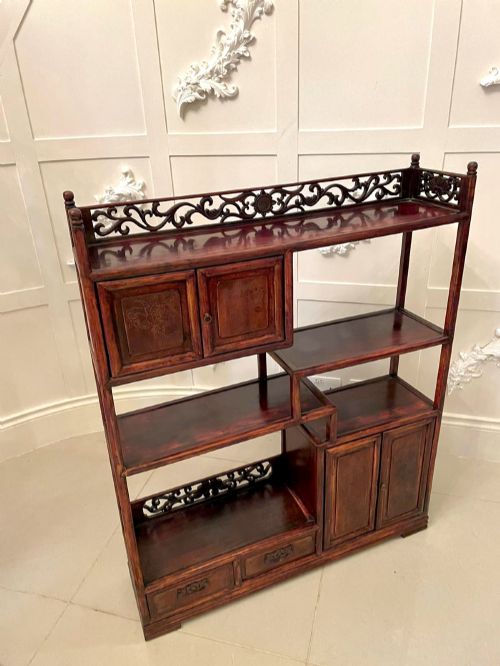
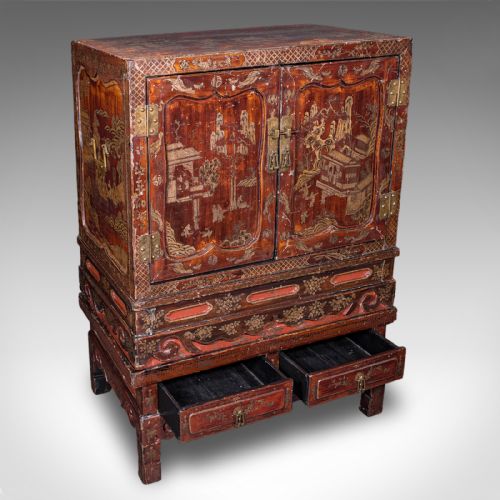
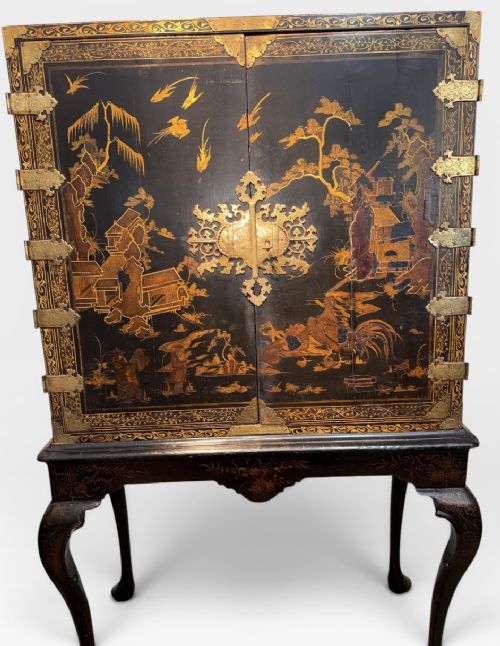
A chinese cabinet on stand pairs a primary storage compartment with a raised supporting base, frequently seen in forms dating from the eighteenth century through the early twentieth century. Buyers seeking this phrase encounter both imported East Asian export work and British interpretations influenced by oriental design.
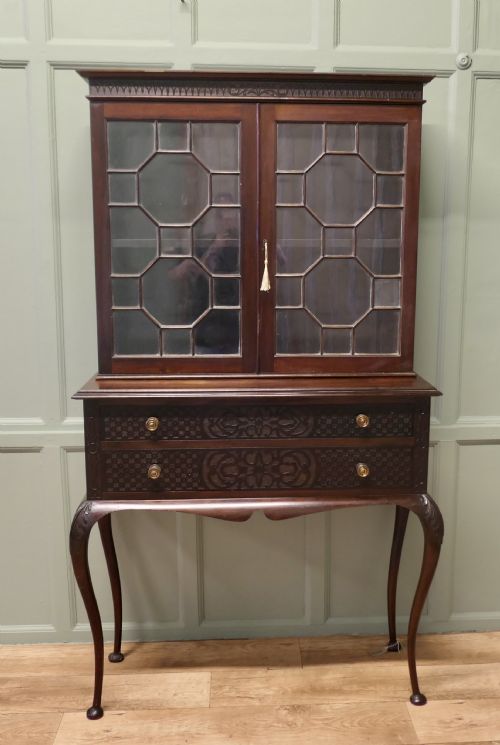
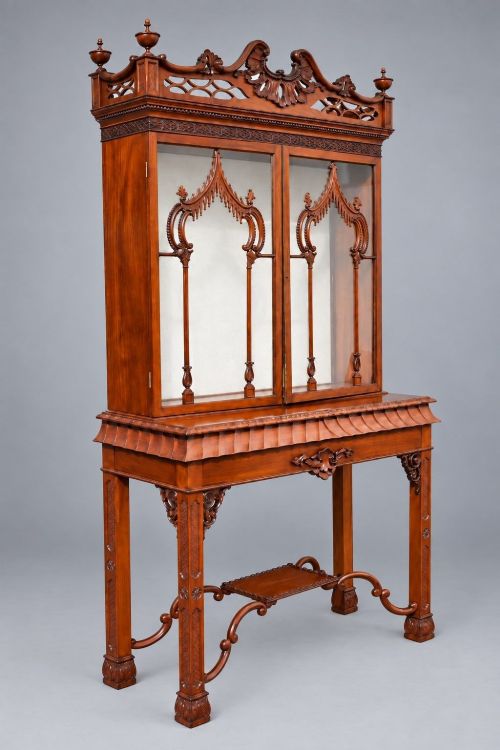
The selections span distinct periods including the Victorian era, the Edwardian years, and the Qing Dynasty, alongside revival movements like Chinese Chippendale. These pieces function variously as display cabinets, cocktail cabinets, and storage cupboards elevated on stands or pedestals.
Materials and construction
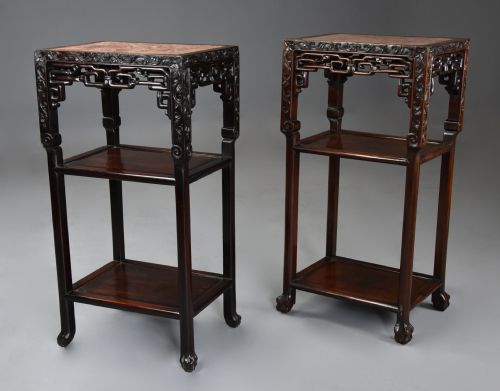
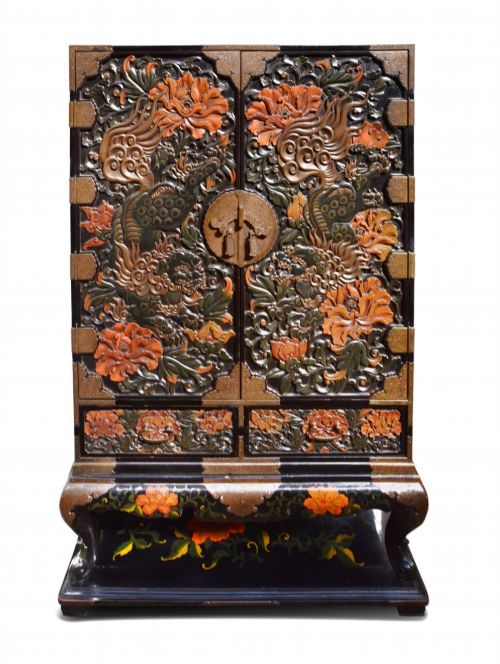
Carpenters utilised dense timbers such as mahogany, rosewood, satinwood, and various regional hardwoods to construct the primary bodies and supporting frames. Many surfaces feature applied lacquer work, cinnabar, or penwork decoration, while other examples incorporate inset marble tops or brass hardware.
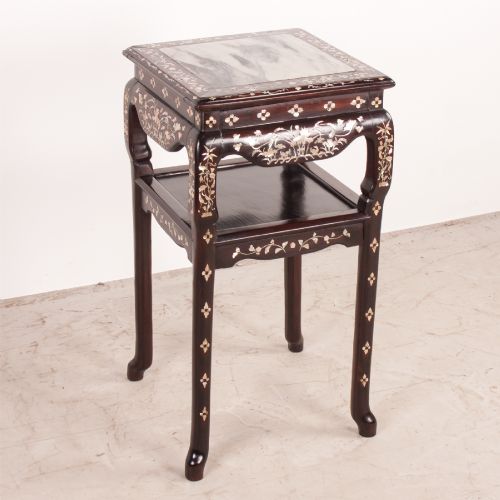
Construction techniques combine traditional joinery with carved detailing, mother-of-pearl inlay, and glass glazing for display doors. Stands are integrated directly into the design or built as matching independent frames to elevate the heavier cabinet bodies.
Listings feature items spanning from the eighteenth century to the early twentieth century, utilising materials including hardwood, lacquer, mahogany, and marble.
Quality distinctions
The calibre of a chinese cabinet on stand rests upon the depth of its carved ornamentation and the execution of its lacquer or wood finish. Masterwork examples display precise hand-carving and meticulous surface preparation, whereas simpler pieces rely on basic form rather than decorative elaboration.
Structural integrity between the upper cabinet and its supporting stand differentiates standard production from finer creations. The harmony of proportions between the elevated storage and the legs dictates the visual balance of the piece.
The Chinese Cabinet on Stand Glossary
- Chinoiserie
- European decorative style imitating Chinese artistic traditions. It appears frequently on lacquered cabinets and stands produced during the eighteenth and nineteenth centuries.
- Hongmu
- A category of dense, dark traditional Chinese hardwood used for fine furniture and display stands. It translates directly to red wood and commands collector interest.
- Astral glazing
- Cabinet door construction using wooden bars to divide glass panes into geometric patterns. This technique is common on eighteenth and nineteenth century display pieces.
- Cinnabar lacquer
- Decorative coating created by applying numerous layers of coloured resin derived from tree sap. Artisans then carve intricate patterns directly into the hardened surface.
Chinese Cabinet on Stand: Frequently Asked Questions
What is a chinese cabinet on stand?
A chinese cabinet on stand is an elevated furniture piece that combines an enclosed storage box or display case with a fitted supporting frame or table base.
These pieces were designed to lift precious objects or storage compartments off the floor, improving visibility and adding vertical scale to a room.
How do I style one at home?
Place a chinese cabinet on stand in a living room or hallway where its raised profile can be appreciated against a plain wall. It serves well for displaying ceramics, glassware, or collected curios.
Keep surrounding furniture simpler to let the carved details, lacquer work, or wood grain of the cabinet remain the visual focus of the space.
Are these pieces fragile?
While constructed from durable hardwoods or sturdy lacquered wood, these cabinets require sensible placement away from direct heat sources and strong sunlight. Temperature fluctuations can affect delicate wood joints and lacquer surfaces over time.
Regular dusting with a dry cloth helps maintain the finish without risking moisture damage to antique surfaces.
How do I tell different periods apart?
Dating relies on observing construction methods, timber choices, and stylistic markers such as Victorian revival details or Qing Dynasty carving patterns. Eighteenth-century examples often feature export lacquer, while later nineteenth and twentieth-century pieces utilise a broader range of regional hardwoods.
Comparing the hardware, glass type, and joinery style helps narrow down the decade of manufacture.