



Hand Painted Chinese Desk
When you want a hand painted chinese desk or related cabinet, you are looking at lacquered wood and porcelain pieces built for scholars and export.
Hand Painted Chinese Desk
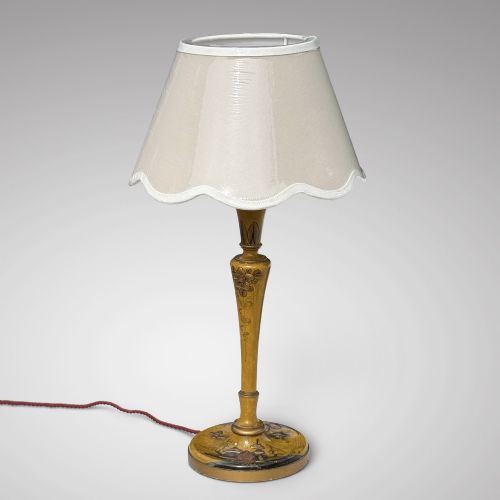
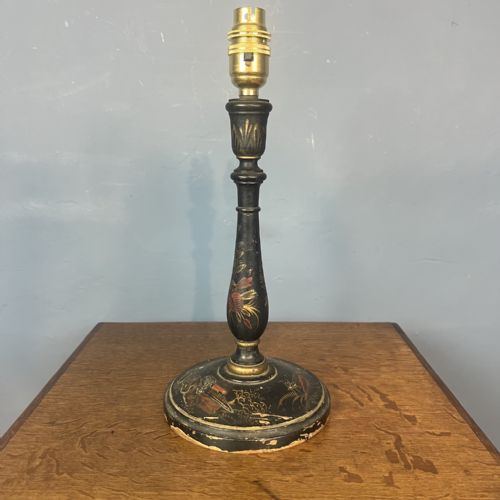
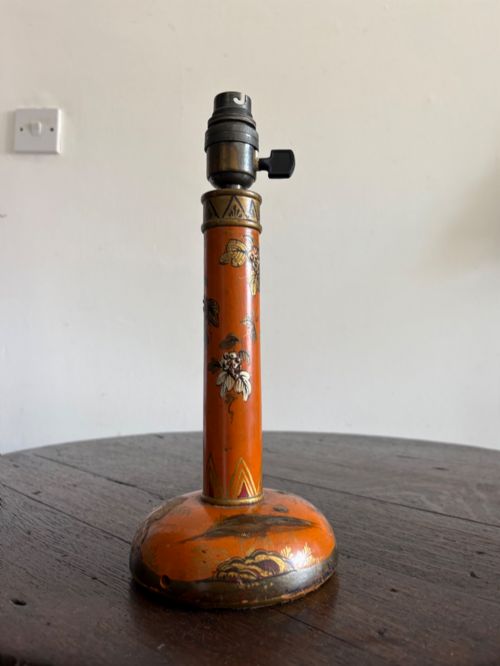
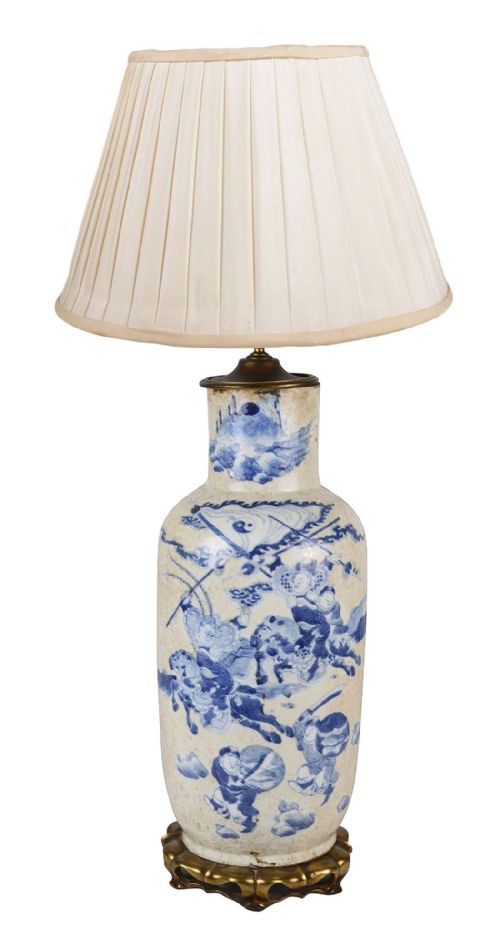
A hand painted chinese desk search brings up items such as nineteenth century black lacquered desk cabinets and decorative console tables alongside related scholar objects. Buyers seeking this phrase frequently encounter table lamps converted from porcelain vases, alongside smaller writing equipment.
The objects span periods from the nineteenth century through to the 1920s and 1930s, incorporating chinoiserie and Qing dynasty styles. Forms range from lidded pen boxes to console tables and desk cabinets.
Originating largely from Chinese export workshops and European chinoiserie interpretations, these items combine practical writing furniture with decorative porcelain and lacquerwork.
How they were made
Construction relies heavily on wood, lacquered wood, and lacquer, often finished with hand painted details and overglaze enamel. Brass fittings and fabric elements appear on specific boxes and lamps.
Porcelain items utilise blue and white glazes, famille rose, famille verte, and famille noire palettes. Artisans applied these pigments over clay bodies and incorporated brass or ormolu mounts on select export pieces.
Pen boxes hide ink well enough to survive centuries of messy scholars.
What varies in quality
Quality rests in the execution of the hand painting and the depth of the lacquer finish. Finer pieces display crisp brushwork on porcelain scenes or intricate lacquer layers on desk cabinets.
The integrity of the underlying wood and porcelain body distinguishes standard production from finer scholar items. Period mounting and original hardware further separate basic utility pieces from superior examples.
The Hand Painted Chinese Desk Glossary
- Chinoiserie
- European artistic interpretation of Chinese decorative styles. This aesthetic influenced furniture and lighting during the Edwardian period and earlier nineteenth century.
- Famille Rose
- A prominent porcelain palette introduced during the Qing dynasty. The style is characterised by pink enamel overglaze colours.
- Bitong
- A traditional Chinese brush pot used by scholars. These cylindrical containers frequently feature hand painted scholar scenes.
- Lacquered Wood
- Wood treated with multiple coats of resin sap to create a hard protective shell. This surface often receives hand painted motifs or coloured pigments.
Hand Painted Chinese Desk: Frequently Asked Questions
What is a brush pot?
A brush pot, or bitong, is a cylindrical vessel traditionally kept on a scholar's desk to hold writing brushes.
These containers appear in porcelain decorated with famille rose or blue and white designs.
How do I date a lacquer desk cabinet?
Dating relies on examining the construction methods of the wood carcass and the composition of the lacquer layers.
Nineteenth century pieces often feature heavy black lacquer finishes with hand painted gilt details.
What are export porcelain lamps?
Export porcelain lamps are typically nineteenth century vases converted into electrical lighting fixtures.
They display traditional Chinese motifs adapted for Western domestic interiors.
Where were chinoiserie lamps made?
Chinoiserie lamps incorporate Chinese porcelain or European lacquerwork produced during the nineteenth and early twentieth centuries.
Styles range from Edwardian interpretations to Qing dynasty export goods.