




Chinese Bronze Vase Lamp
These pieces take a chinese bronze vase lamp and wire it for light, turning old vessels into sturdy room fixtures.
Chinese Bronze Vase Lamp
A chinese bronze vase lamp brings together metal vessels and interior lighting, taking forms that span the 18th century, 1890, and Victorian eras. You will encounter conversion pieces where an older vessel receives fittings alongside purely decorative examples made during the 19th century.
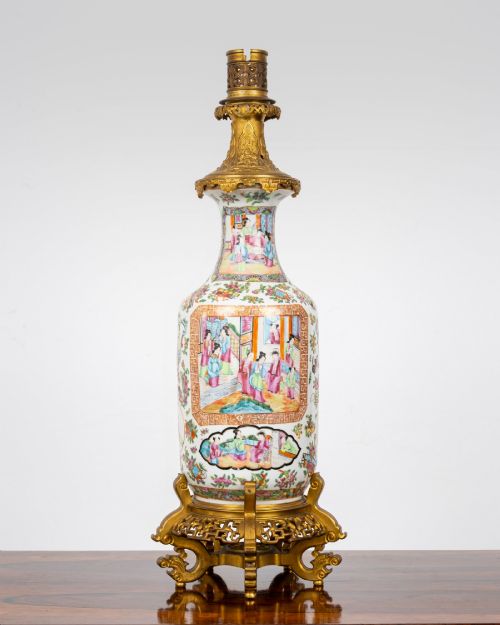
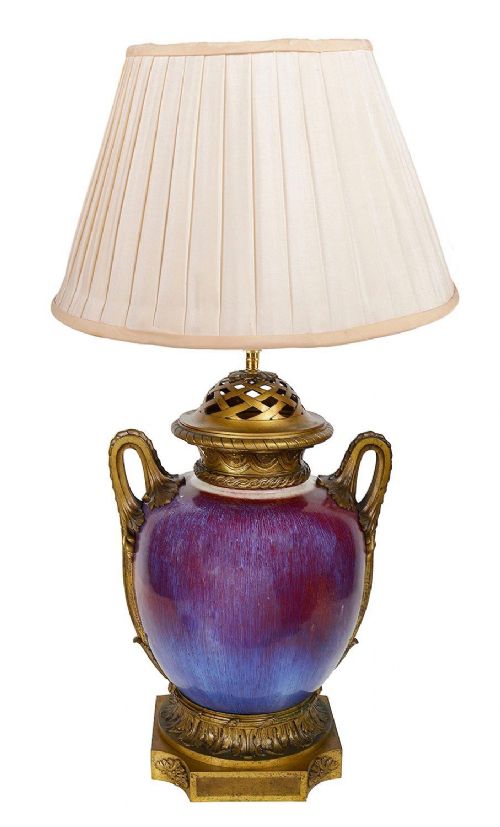
The materials recorded in these listings stretch beyond bronze to include brass, porcelain, and enamel alongside fabric shades. Many pieces incorporate gilt bronze or ormolu mounts that elevate the metal body of the lamp.
Styles range across Qing Dynasty influences, Chinoiserie, and Chinese Export designs, sometimes intersecting with French Chinoiserie and Victorian interpretations. This mix reflects how makers adapted traditional forms for Western domestic interiors.
Materials and construction
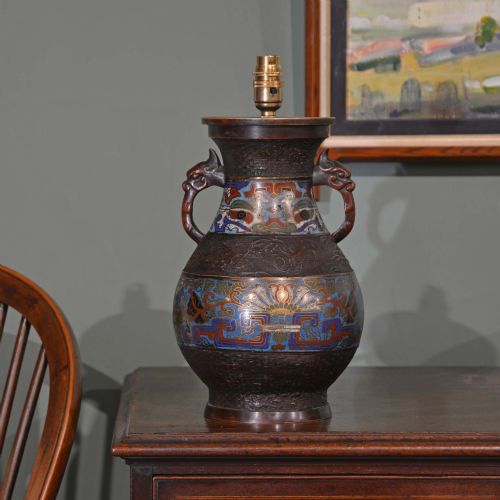
Makers utilised cast bronze, brass, and ormolu to construct mounts and bases that secure the central vessel. These metal components were often chased or gilded to complement the patination of the bronze or the bright colours of associated porcelain bodies.
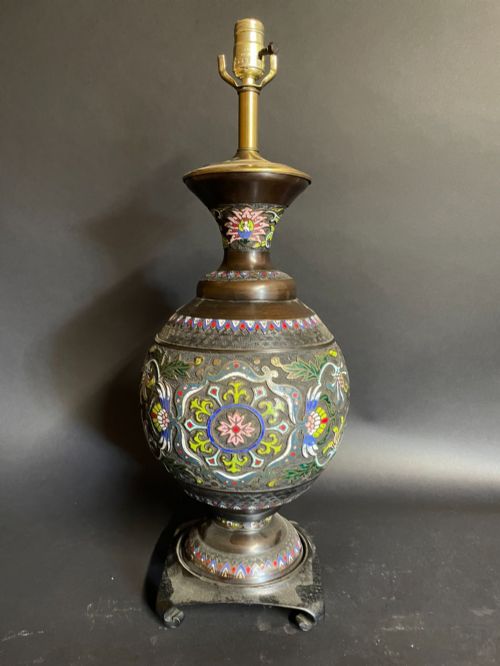
Vessels themselves combine ceramic techniques like cloisonne enamel, celadon glazing, and painted famille rose motifs with heavy metal hardware. The integration requires drilling or mounting the original vase without compromising its structural integrity.
Some bronze vessels spent decades illuminating Victorian drawing rooms before anyone thought to check what was inside the jar.
Assessing quality in construction and mounts
The calibre of a chinese bronze vase lamp rests heavily on the weight and detail of its metalwork. Finer pieces feature crisply chased ormolu or gilt bronze mounts that fit the contours of the vase precisely.
The quality of the underlying vessel also dictates the piece, distinguishing standard utility conversions from works utilising high-grade cloisonne enamel or finely thrown porcelain bodies.
The Chinese Bronze Vase Lamp Glossary
- Ormolu
- Gilded bronze used widely for decorative mounts on furniture and vases. This technique provides a bright metallic finish that contrasts with dark bronze or colourful enamel.
- Cloisonne enamel
- Metalwork decorated by filling compartments soldered to a base wire with coloured paste. Firing produces a smooth, patterned surface found on many mounted lamps.
- Sang du bouf
- A rich copper-red glaze developed on Chinese ceramics, often translated as ox-blood. Pieces featuring this glaze display deep tonal gradations across the body.
- Celadon
- A pale green glaze applied to porcelain, originating in China. The soft hue complements the metallic lustre of bronze and brass mountings.
- Chinoiserie
- European decorative style reflecting Chinese artistic influences. This aesthetic shaped many of the mounts and companion pieces produced during the 19th century.
Chinese Bronze Vase Lamp: Frequently Asked Questions
How do I wire a lamp?
Wiring a chinese bronze vase lamp typically involves running a cord through a drilled base or securing hardware inside the neck of the vessel. Professional electricians ensure the internal components meet modern safety standards without damaging the antique body.
Care must be taken to protect original metal mounts and fragile enamel or porcelain surfaces during the rewiring process. Using appropriate fittings preserves the structural integrity of the antique.
What periods do these lamps date from?
The listings on this page span the 18th century, the 1880s, 1890, and the Victorian era. Many pieces combine earlier vessels with later European metal mounts.
Recognising the period involves examining the style of the bronze work, the specifics of the ceramic glaze, and the method of electrical conversion used.
How do I clean bronze mounts?
Cleaning metal mounts requires a soft, dry cloth to remove dust without disturbing the patination or the gilt surface. Avoid harsh chemical cleaners that can strip ormolu or damage adjacent enamel.
Gentle maintenance preserves the historical finish of both the bronze elements and the porcelain bodies of the lamps.
Are these lamps stable on tables?
Most pieces incorporate heavy bronze, brass, or ormolu mounts that provide a solid foundation for daily use. The weight of the metal base counters the height of the fabric shade.
Placement on level surfaces ensures safety, particularly with larger examples featuring substantial ceramic bodies.