




Qing Dynasty Bronze Lamp
A qing dynasty bronze lamp brings an architectural weight of cast metal and centuries of craft straight into a room.
Qing Dynasty Bronze Lamp
When you search for a qing dynasty bronze lamp, you encounter items shaped from historical vessels and metalwork that have been wired for modern interior lighting. The selection on this page relies heavily on converted vases, ritual vessels, and sculptural forms dating across the nineteenth and eighteenth centuries.
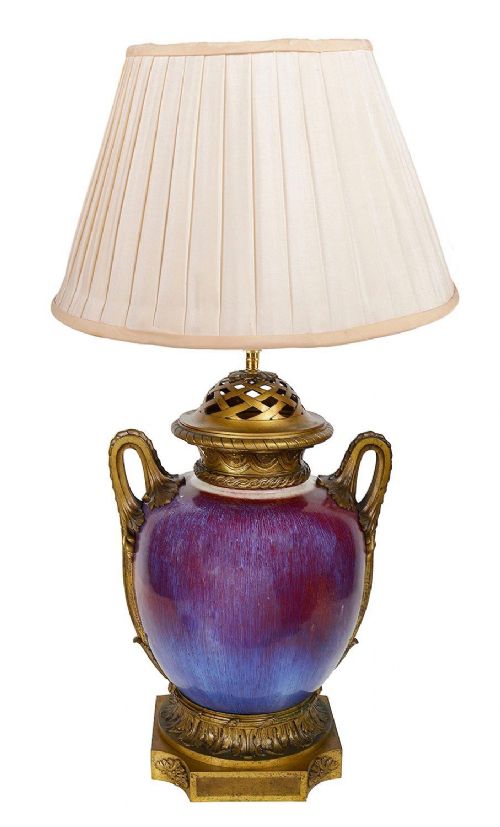
Many examples incorporate cast metal foundations paired with contrasting ceramic bodies, utilising celadon, famille rose, or powder blue glazes alongside the primary bronze framework. These pieces bridge the gap between traditional East Asian decorative arts and nineteenth-century European lighting conversion fashions.
How they were made
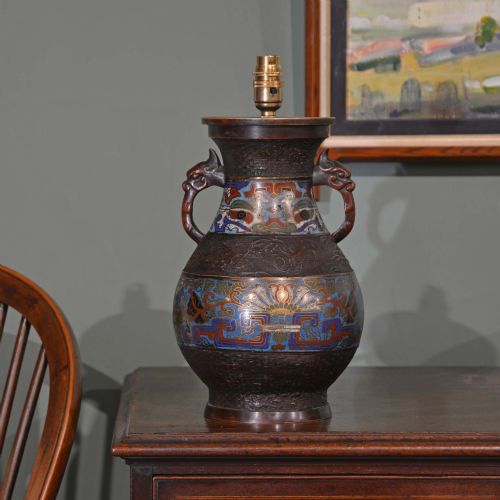
Makers utilised lost-wax casting and hand-finishing techniques to create the heavy metal bodies, often incorporating applied ormolu and gilt bronze mounts during subsequent European adaptations. The incorporation of cloisonne enamel adds intricate coloured wirework cells across the metal surface.
Vessels constructed from porcelain or bronze serve as the central column, with artisans drilling the bases or adding custom collars to house electrical components while preserving the integrity of the antique body.
Several nineteenth-century artisans clearly decided that a priceless porcelain vase made an exceptionally fine reading light.
What varies in quality
The sophistication of the casting work and the clarity of the chased details distinguish superior examples from simpler utilitarian pieces. Crisp definition in the metal ornamentation and harmonious proportion between the vase body and its mounts dictate the overall visual success of the object.
The quality also depends on the integration of the secondary materials, such as the richness of the enamel work or the depth of the porcelain glaze showing beneath the metal mounts.
The Qing Dynasty Bronze Lamp Glossary
- Ormolu
- Gilded bronze, typically referring to the finely chased and gold-plated metal mounts applied to decorative objects and lamps during the eighteenth and nineteenth centuries. This technique provided a bright, luxurious contrast to darker bronzes and ceramics.
- Cloisonne
- A decorative metalwork technique where fine metal wires are soldered to a base to form compartments, which are then filled with coloured enamel paste and fired. The resulting patterned surface forms a durable and vibrant finish.
- Celadon
- A pale green jade-like glaze applied to porcelain, originating in China and prized for its subtle tone and crackled texture. It frequently forms the central body of converted nineteenth-century lamps.
- Famille Rose
- A palette of opaque enamel colours dominated by rose pink, introduced in Chinese porcelain decoration during the eighteenth century. Pieces bearing these floral and figurative designs were frequently mounted as lighting fixtures in Victorian interiors.
Qing Dynasty Bronze Lamp: Frequently Asked Questions
Are these lamps converted from old vases?
Many examples began life as decorative vases, ginger jars, or ritual vessels before being fitted with electrical components and metal mounts in the nineteenth century or later.
This adaptation practice preserves the decorative body of the antique while allowing it to function as a modern table lamp.
How do I date a bronze lamp?
Dating relies on analysing the style of the metal casting, the characteristics of the associated porcelain glaze, and the nature of any European ormolu mounts.
Items span the eighteenth and nineteenth centuries, often showing stylistic crossover with Victorian decorative tastes and Chinese export preferences.
What maintenance do these lamps require?
Gentle dusting with a soft, dry cloth is sufficient for the bronze surfaces and enamel details, avoiding harsh chemical cleaners that might strip the gilt or patina.
Wiring should be checked by a qualified professional to ensure safety, particularly when dealing with older fittings and heavy metal bases.
Where should I place a bronze lamp?
These substantial pieces suit heavy wooden surfaces, sideboards, or large desk spaces where their weight and height can anchor the room's composition.
They pair well with traditional interiors, contrasting effectively against simple walls that allow the detailed metalwork and glazed ceramic bodies to stand out.