


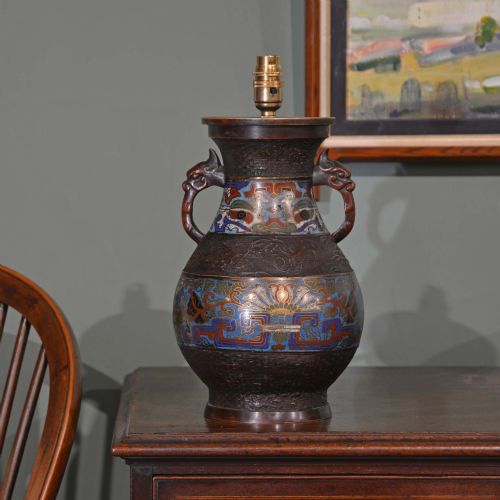


Chinese Bronze Table Light
A chinese bronze table light brings together patinated metal and historic ceramic forms, casting a warm glow across a room.
Chinese Bronze Table Light
When you search for a chinese bronze table light, you encounter converted vessels, patinated metal figures, and mounted vases designed to illuminate interiors. These objects originate from various periods including the nineteenth century, with Edwardian and Victorian interpretations appearing alongside earlier forms.
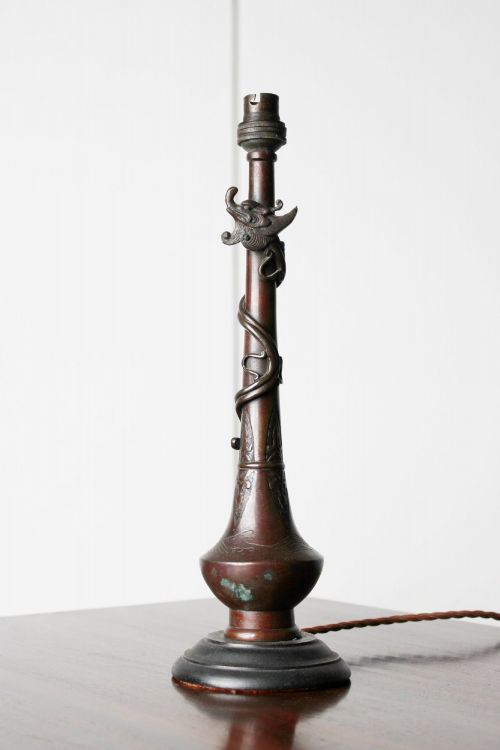
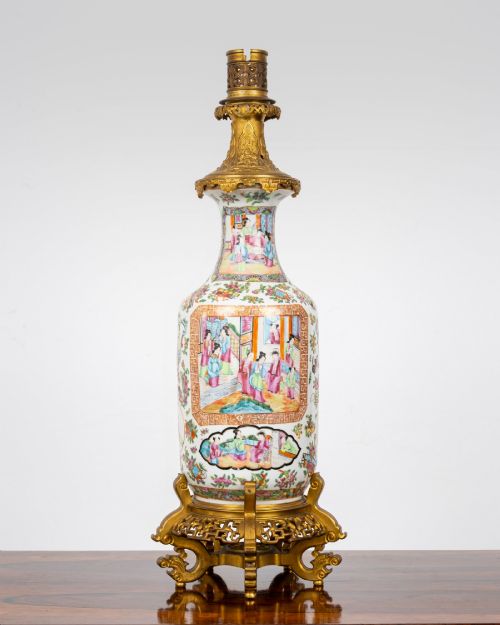
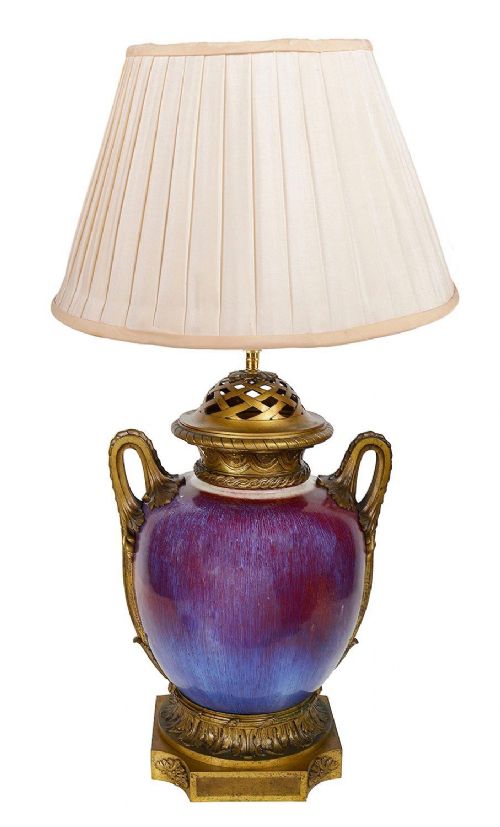
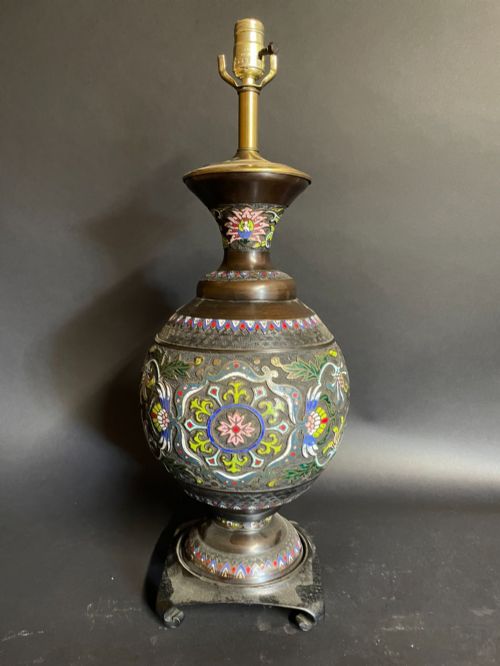
The most common versions on this page are porcelain and bronze vases fitted as table lamps, often accented with gilt mounts or ormolu. You will also find pieces executed in cloisonné enamel and celadon, reflecting diverse stylistic influences such as Qing Dynasty aesthetics and French Chinoiserie.
Materials and construction methods
Metalwork forms the structural foundation of these pieces, utilising cast bronze, brass, and patinated white metal. Artisans shaped these metals into bases, handles, and mounts to support the bodies of the lamps.
Ceramic bodies such as porcelain and earthenware provide the primary visual elements, frequently decorated with famille rose, rose medallion, and blue and white enamels. Ormolu and gilt bronze mounts secure these fragile vessels, joining distinct decorative traditions into unified lighting fixtures.
Distinguishing quality in these lamps
The refinement of the cast metal mounts and the precision of the gilding set finer examples apart from simpler pieces. Ormolu components show crisp chiselling and secure integration with the ceramic or bronze bodies.
The artistic merit of the painted porcelain or the complexity of the cloisonné enamel work dictates the upper tier of the selection. Original patination on the bronze elements also contributes significantly to the integrity of an object.
The Chinese Bronze Table Light Glossary
- Ormolu
- Gilded bronze, typically produced by applying a mercury amalgam to cast bronze before heating. This technique creates a durable, luminous golden surface found on many mounts.
- Cloisonné
- An enamelwork technique where thin metal wires are soldered to a metal base to create compartments filled with coloured paste. These are fired to produce vibrant decorative patterns.
- Sang de boeuf
- A rich red copper-based ceramic glaze developed in Chinese kilns. The deep crimson colour varies subtly across the surface of the vessel.
- Celadon
- A pale green or grey-green ceramic glaze imitating jade. This finish is characteristic of historic wares mounted for European interiors.
- Chinoiserie
- European decorative style reflecting Chinese artistic motifs. Designers applied these interpretations to furniture, ceramics, and metalwork.
Chinese Bronze Table Light: Frequently Asked Questions
What are these lamps made from?
These pieces combine cast metals like bronze and brass with ceramic bodies such as porcelain. Many incorporate gilt mounts or enamel work.
Makers frequently utilised ormolu and patinated metal to frame vessels originating from Chinese and European workshops.
How were they converted?
Vases and lidded jars were adapted for electrical wiring, often through professional mounting that preserved the original ceramic body. Metal bases and collars were added to secure lamp fittings.
This process turned decorative display pieces into functional domestic lighting without altering the primary historic vessel.
How do I date these pieces?
Dating relies on stylistic clues in the ceramic glazes, the casting quality of the bronze mounts, and the character of the patination. Nineteenth-century examples often display specific enamel palettes like famille rose or rose medallion.
Comparative analysis with documented periods helps place items within Victorian, Edwardian, or earlier stylistic frameworks.
Where do these styles originate?
The designs draw heavily from Chinese artistic traditions, including Qing Dynasty aesthetics and archaistic forms. European makers subsequently reinterpreted these styles through French Chinoiserie and Chinese Export movements.
This cross-cultural exchange produced decorative objects tailored for Western interiors while retaining Eastern motifs.