



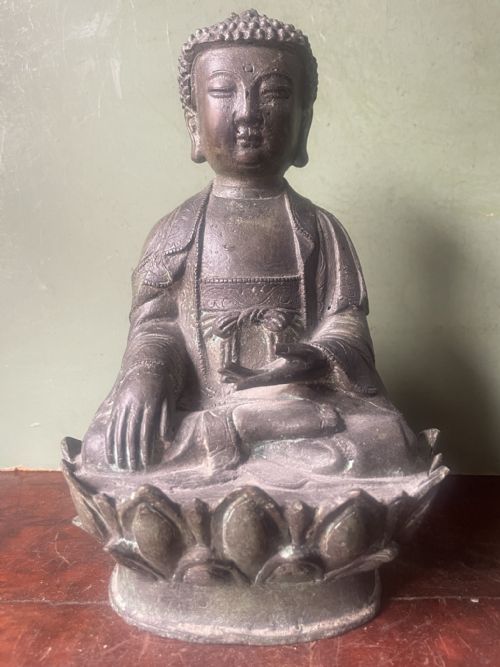


Chinese Bronze Base
These pieces known as a chinese bronze base bring heavy metal craft and ritual weight straight into domestic rooms.
Chinese Bronze Base
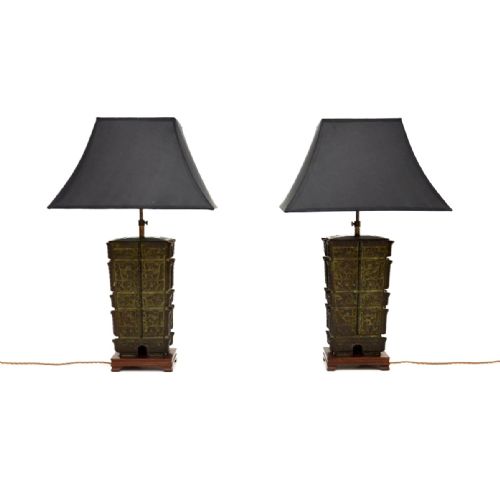
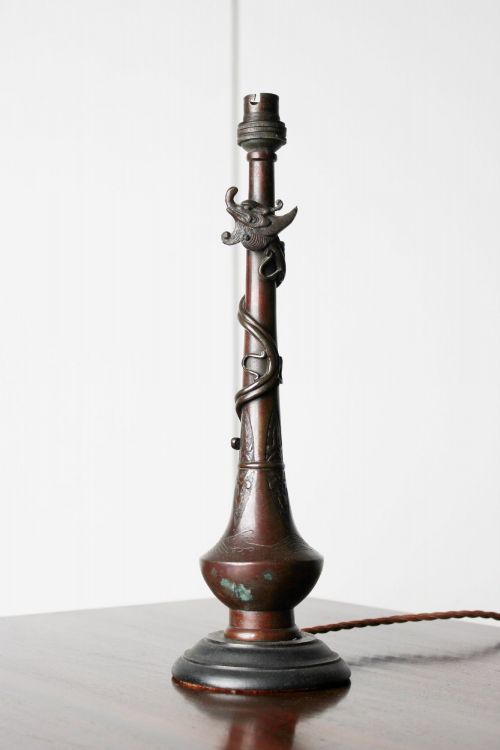
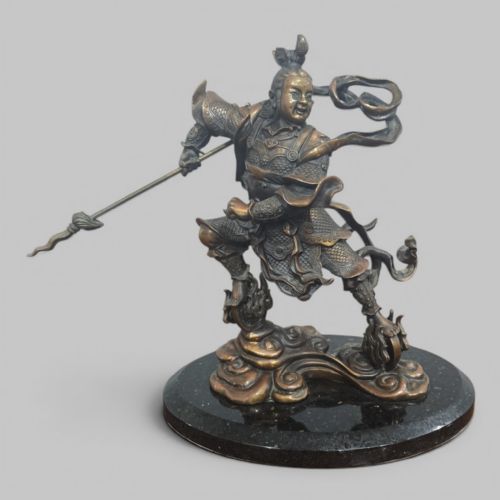
A chinese bronze base takes many physical forms across these listings, appearing most frequently as wired table lamps or mounted vase stands alongside figurative sculptures and incense burners. Buyers seeking a chinese bronze base encounter objects adapted from earlier vessels or cast directly as figures of deities, birds, and mythical beasts.
The periods represented stretch from the eighteenth century through the Edwardian era into the early decades of the twentieth century, mixing traditional imperial styles with later decorative adaptations. Many items combine heavy metalwork with porcelain bodies or gilt mounts, shifting their original function into decorative lighting or mantel display.
How they were made
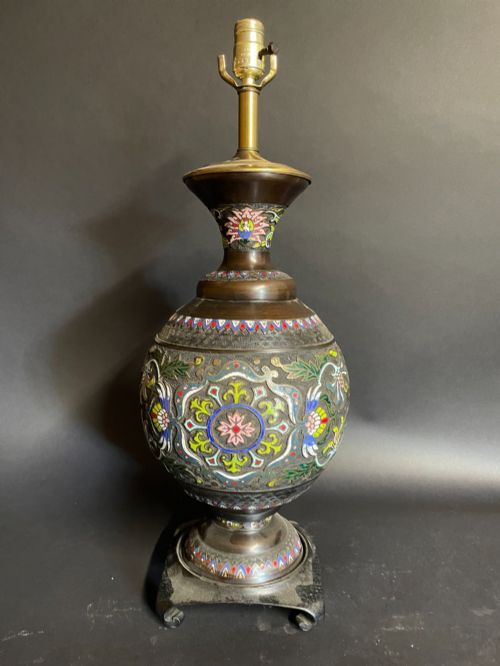
Makers utilised bronze, copper-alloy, and gilt metal, often casting figures and vessels with high-relief detailing to depict deities, immortals, and animals. Cloisonné enamel and porcelain additions appear frequently, welded or fitted into metal structures to create complex lamp bases and decorative vases.
Mounting techniques required careful adaptation of older ceramic or bronze vessels, attaching them securely to metal plinths and fitting electrical hardware for contemporary use. Surface finishing involved gilding and patination, establishing deep metallic tones across the copper-alloy and bronze bodies.
Chinese Bronze Base Retail Price Guide 2026
Typical asking prices for chinese bronze base among the pieces listed under this phrase on Sellingantiques today, from the lower quarter to the upper quarter. They describe what is for sale here now, not the wider market.
Listings feature items spanning from the 18th century to the 1930s, utilising bronze, gilt bronze, porcelain, brass, cloisonné enamel, and copper.
What varies in quality
The standard of a chinese bronze base rests upon the crispness of the cast relief and the weight of the metal alloy used in the body. Finer examples display meticulous detail in facial expressions, feathers, and dragon motifs, whereas simpler items rely on heavier surface gilding to mask softer casting lines.
Integration between the metal base and any secondary material, such as porcelain or cloisonné enamel, dictates the structural integrity of the piece. Superior specimens maintain balanced proportions between the vessel and its mount, preserving the original artistic intent despite conversion into a lamp.
The Chinese Bronze Base Glossary
- Cloisonné enamel
- Metalwork decorated by adding compartments to a metal surface by soldering or adhering flat or bent wire before placing enamel paste.
- Ormolu
- Gilded bronze applied to furniture, clocks, and lamp mounts, popular in decorative adaptations of Asian ceramics.
- Baluster vase
- A tall vase with a rounded body and a narrow neck, frequently mounted as a lamp in nineteenth-century interiors.
- Kylin
- A mythical hooved Chinese creature often cast in bronze as a guardian figure or incense burner.
- Celadon
- A term for ceramics denoting a green glaze, frequently seen combined with bronze and gilt mountings in lighting.
Chinese Bronze Base: Frequently Asked Questions
Are these lamp bases converted from old vases?
Many pieces in this selection are historic vases, including Famille Verte and celadon porcelain examples, that were subsequently fitted with electrical hardware and metal mounts for use as lamps.
Other items were cast originally as figures, incense burners, or structural bases rather than being adapted from ceramic vessels later in their history.
How do I date an Edwardian bronze lamp?
Dating relies on examining the wiring methods, the character of the metal patination, and the specific decorative style associated with early twentieth-century manufacturing.
Stylistic cues borrowed from Qing Dynasty or Chinese Imperial designs often guide the assessment when combined with period brass and bronze components.
What is the difference between bronze and copper-alloy?
Bronze primarily consists of copper alloyed with tin, yielding a heavy, durable material suitable for casting intricate sculptures and vessel bases.
Copper-alloy functions as a broader term covering various mixtures of copper with other metals, which can alter the colour and patination of the finished object.
How should I clean a gilt bronze base?
Dusting gently with a soft, dry cloth helps maintain the surface without disturbing the delicate patination or wearing away the thin layers of gilding.
Harsh chemical polishes must be avoided entirely, as they strip the historic finish and diminish the visual depth of the metalwork.