
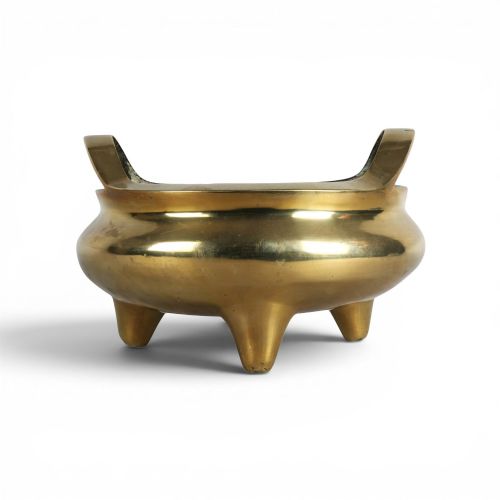


Chinese Brass Censer Burner
These Chinese brass censer burner vessels deliver centuries of ritual form and heavy metal substance to a scholar's desk or mantelpiece.
Chinese Brass Censer Burner
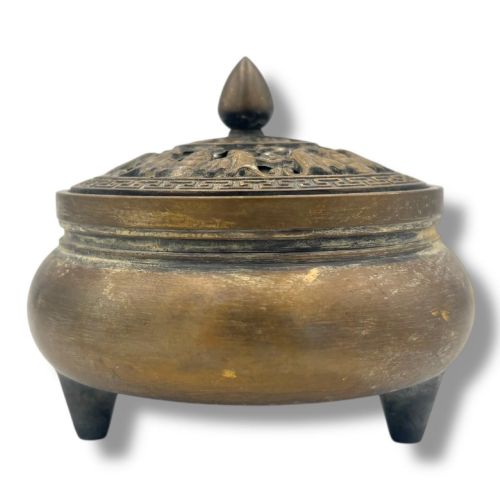
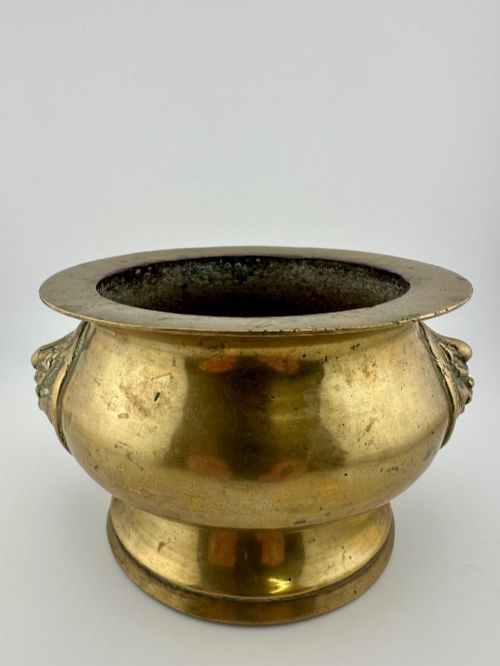
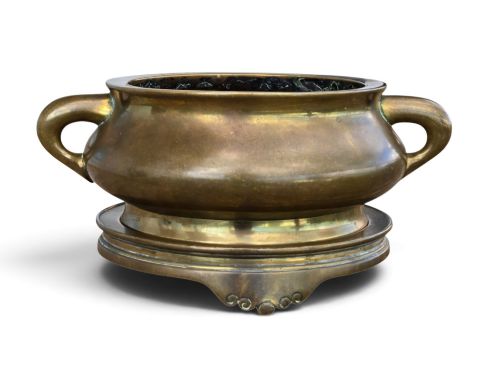
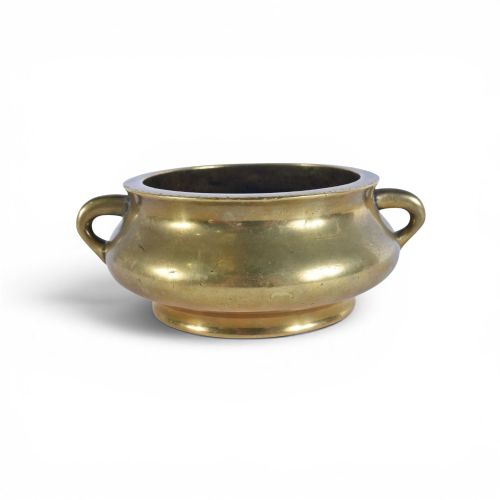
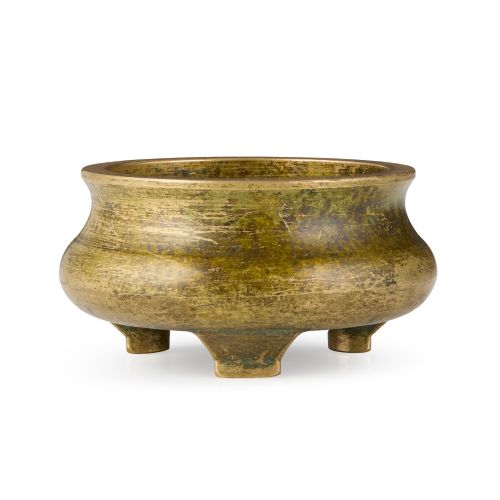
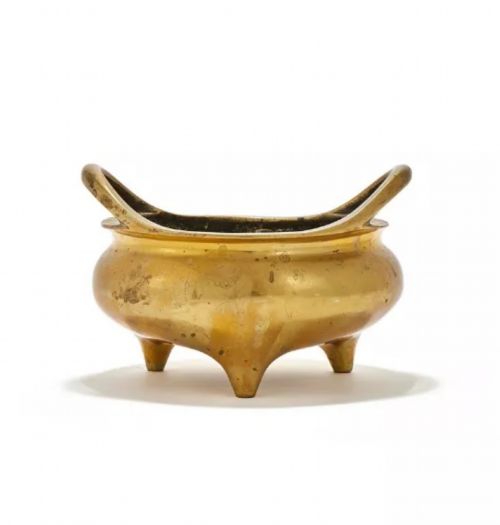
A chinese brass censer burner stands as a vessel designed for burning aromatic incense, frequently shaped as a tripod bowl with supportive feet. You meet forms ranging from simple bombé basins to elaborate ritual censers fitted with matching stands and pierced lids.
The objects span periods from the eighteenth century through the late Qing Dynasty and Victorian eras, crossing various Asian and oriental traditions. Makers often cast them as heavy utility vessels for scholar's studios or temples.
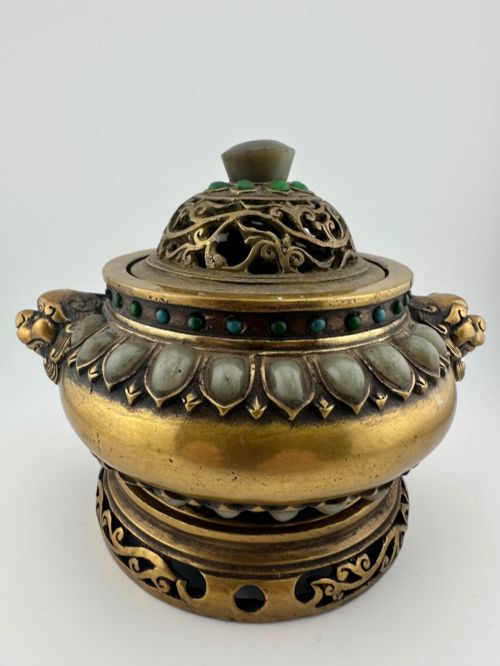
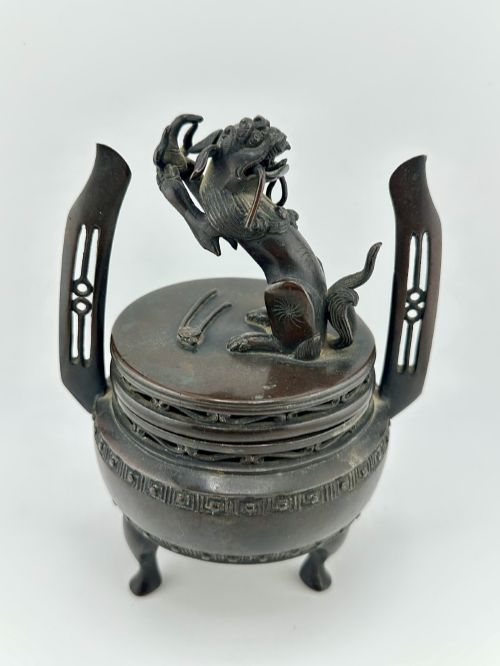
Forms include lion mask handles, qilin finials, and bamboo motifs, alongside larger ritual pieces and decorative jardinières. Each example carries the sculptural weight and dark patination typical of older cast metalwork.
Judging quality and craft
The calibre of a chinese brass censer burner rests in the crispness of its cast ornament and the overall heft of the metal. Thicker, heavier vessels with finely articulated lion masks or detailed qilin finials stand apart from simpler decorative items.
Surface finish and the integration of marks also define the upper tier. Pieces bearing legible studio or reign marks alongside intact hardstone inlays and matching original stands demonstrate superior workshop origin.
Listings feature pieces spanning the eighteenth century, nineteenth century, and Victorian period, utilising bronze, brass, jade, and hardstone.
The Chinese Brass Censer Burner Glossary
- Tripod censer
- An incense burner supported by three feet. This form provides stable elevation for heated metal vessels.
- Bombé
- A rounded vessel profile that swells outward near the middle and tapers at the rim and base. This shape appears frequently in eighteenth-century scholar's pieces.
- Qilin
- A mythical hooved creature in Chinese culture. Sculpted figures of this beast often serve as lid finials.
- Jardiniere
- An ornamental pot or stand for holding plants. Examples in this metalwork group share cast construction with incense vessels.
- Xuande mark
- An impressed stamp referencing the Ming dynasty emperor. Later workshops often reproduced these marks as a sign of respect.
Chinese Brass Censer Burner: Frequently Asked Questions
How do I clean an old censer?
Dust the surface gently with a soft dry cloth to preserve the aged metal patination. Avoid abrasive polishes or chemical dips that strip away historic character.
Keep the interior free of ash build-up using a soft brush. Moisture should be kept away from any inlaid hardstone components.
Were these vessels used for burning incense?
These pieces were cast to hold burning incense sticks or cones within scholar's studios and temples. The thick metal walls safely contained the heat generated during ritual use.
Many retain traces of historic use inside the bowl. Others served primarily as decorative display items in period interiors.
What do the marks on the bottom mean?
Impressed marks often name specific dynastic periods, reigning emperors, or scholar's studios. Names like Xuande or Wu Bangzuo appear on the base as stamps of traditional style.
Later workshops frequently added these marks to honour earlier master metalworkers. Reading the mark helps identify the likely period of manufacture.
Why are some censers so heavy?
The metal was poured thick to ensure durability and stability during ritual burning. Large ritual vessels and scholar's pieces contain substantial amounts of cast bronze or brass.
This high metal weight prevents the vessel from tipping when fitted with heavy covers or stands. It also provides the solid feel expected of quality oriental metalwork.