



Chinese Animal Carving
These Chinese animal carvings are small sculptures and decorative figures carved from jade, hardstone, hardwood, and soapstone that bring character to any room.
Chinese Animal Carving
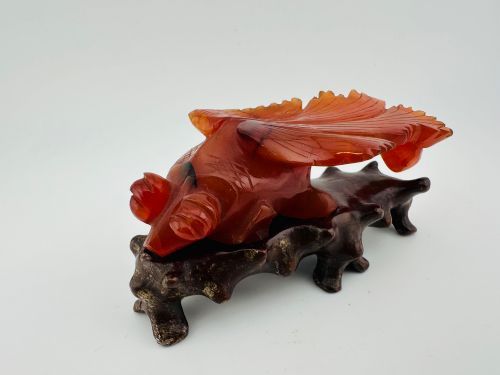
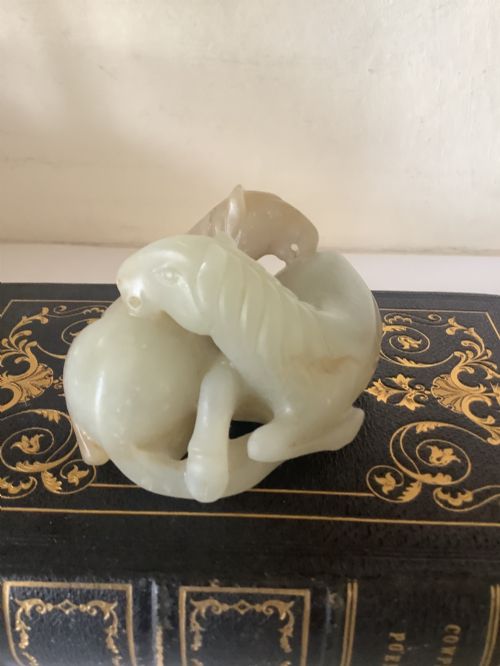
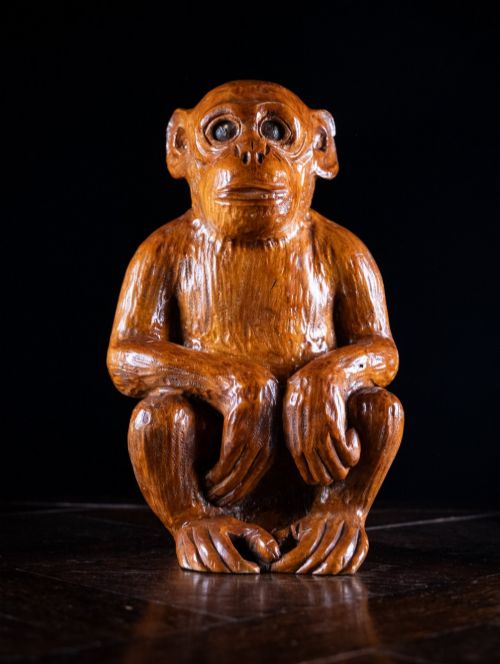
A Chinese animal carving encompasses sculptures and decorative figures depicting horses, cockerels, goldfish, mythical beasts, water birds, monkeys, ducks, elephants, water buffaloes, and pigs. These pieces emerge from periods spanning the eighteenth century through the twentieth century, including the Qing Dynasty and the Republic Period.
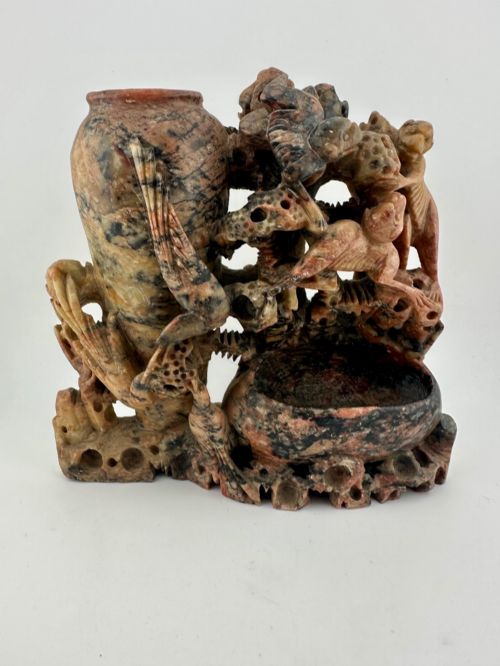
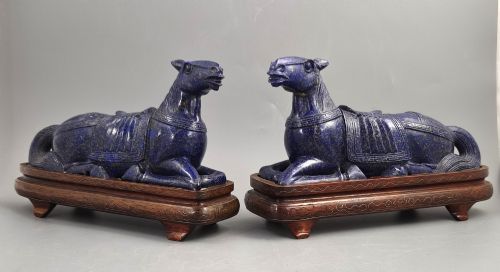
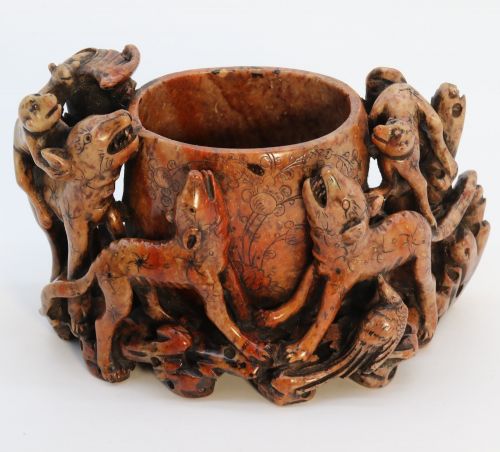
Most examples found here take the form of freestanding decorative sculptures or figures mounted on fitted hardwood stands. Some pieces serve a functional purpose as brush pots or form part of larger objects such as opium pipes.
Makers shaped these subjects using traditional East Asian folk art methods and imperial styles, drawing on centuries of craftsmanship. The material range includes jade, hardstone, lapis lazuli, bone, soapstone, hardwood, silver, and carnelian agate.
Materials and Techniques
Woodcarvers utilised dense hardwoods to fashion figures of elephants, water buffaloes, and horses, frequently mounting them on custom stands. Glazed ceramics also appear in specific styles, employing sancai techniques on porcelain figures.
Chinese Animal Carving Retail Price Guide 2026
Typical asking prices for chinese animal carving among the pieces listed under this phrase on Sellingantiques today, from the lower quarter to the upper quarter. They describe what is for sale here now, not the wider market.
Listings feature hardstone, jade, soapstone, bone, and hardwood alongside precious metals like silver.
Evaluating Quality
Quality rests upon the natural material's character and the carver's command over anatomy and expression. Superior pieces display fluid lines that respect the grain or natural inclusions of jade, hardstone, or agate.
The integration of fitted stands and secondary materials like silver inlay indicates greater workshop investment. Weaker examples show stiff proportions and careless surface finishing that obscure the natural qualities of the medium.
The Chinese Animal Carving Glossary
- Hardstone
- A non-jaspidified mineral such as jade, lapis lazuli, or carnelian agate used for carving. These dense stones require specialised abrasive cutting techniques.
- Qing Dynasty
- The final imperial dynasty of China, lasting from sixteen forty-four to nineteen twelve. Pieces from this era often reflect strict court standards or established regional traditions.
- Republic Period
- The era in Chinese history following the fall of the Qing Dynasty in nineteen twelve, lasting until nineteen forty-nine. Carvings from this time continue traditional motifs while embracing new aesthetic influences.
- Sancai
- A three-colour glaze technique used on ceramics, most famously during the Tang Dynasty but revived in later Ming styles. The colours typically include amber, green, and cream white.
- Brush Pot
- A cylindrical vessel used by scholars to hold writing brushes on a desk. They are frequently carved from materials like soapstone or hardwood.
Chinese Animal Carving: Frequently Asked Questions
What animals appear in these carvings?
The selections include horses, cockerels, goldfish, monkeys, ducks, elephants, water buffaloes, and pigs. Mythical beasts and water birds also feature frequently.
Carvers rendered these subjects in materials ranging from jade and hardstone to hardwood and soapstone.
How do I date a Chinese animal carving?
Dating relies on stylistic markers associated with periods like the Qing Dynasty, the Republic Period, or Ming style revivals. Material choice and tool marks also provide clues to age.
Comparative study of form and mounting styles helps narrow down the decade of production.
Were these figures meant for display?
Most examples function as decorative sculptures, desk objects, or scholar's items placed on fitted stands. Some pieces, such as brush pots, combined display with daily use.
Objects like carved opium pipes incorporated animal motifs into functional items.
What are fitted stands used for?
Fitted wooden stands support carved figures made from heavy materials like jade, lapis lazuli, or hardwood. They are individually shaped to match the contours of the base.
These stands elevate the sculpture and form an integral part of the finished presentation.