

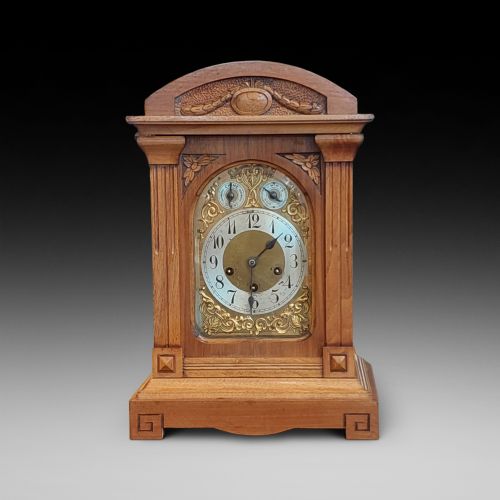


Chime Silent Bracket Clock
These chime silent bracket clocks bring resonant timekeeping and classic timber cases into a room, offering both traditional melodies and quiet composure.
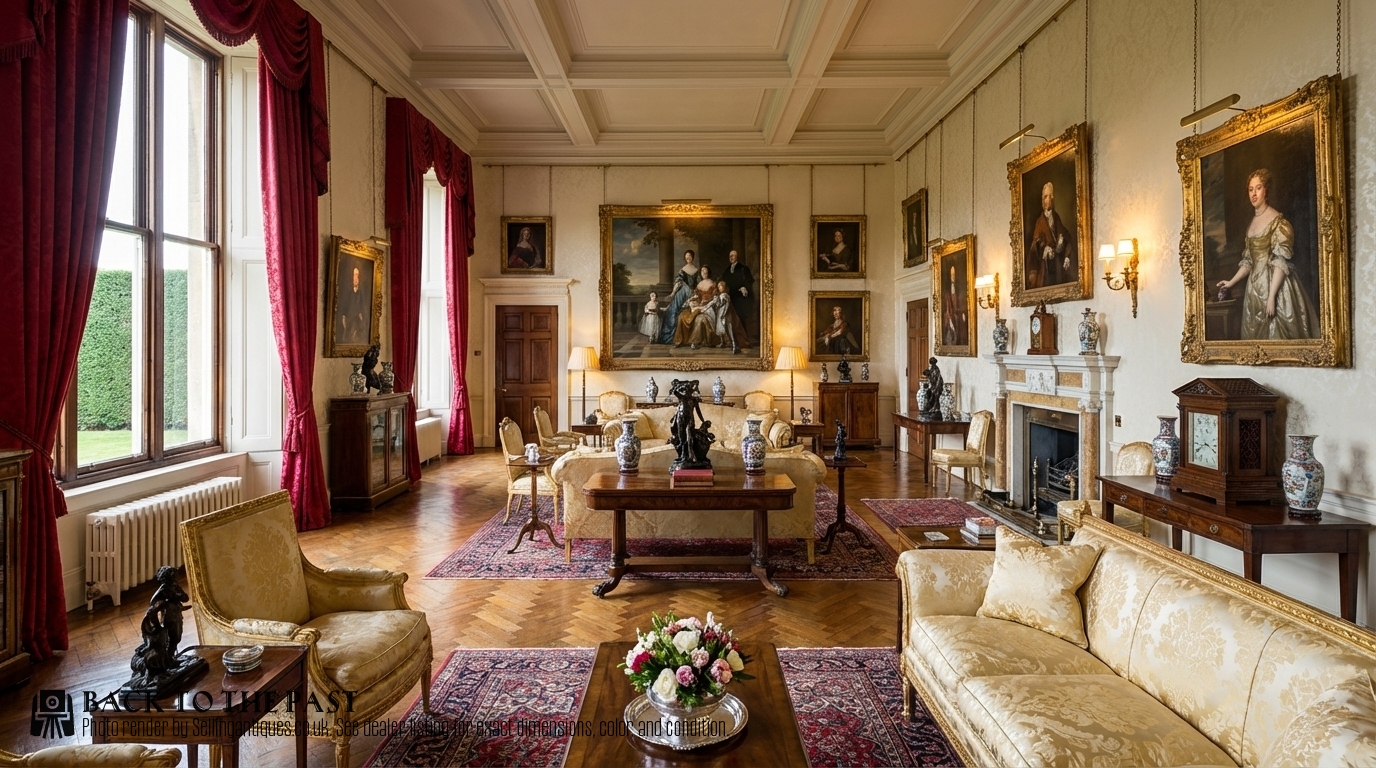
Chime Silent Bracket Clock
A chime silent bracket clock represents a specific intersection of horology and fine cabinetry, designed to sit upon furniture surfaces while delivering audible strikes alongside a silent option. When exploring these pieces, buyers encounter examples spanning from the Georgian and 18th century periods through to the Victorian era and the turn of the twentieth century.
The selections available include variations formed in mahogany, oak, rosewood, and ebonised timber or wood, often paired with glass panels and metal dials. Forms range from classical architectural bracket clocks to mantel clocks bearing mechanical movements signed by makers in London, Bath, and Malton.
Makers recorded in the evidence demonstrate the wide geographical spread of horological skill across Britain and beyond, incorporating firms such as Junghans alongside English craftsmen. Collectors will find bracket clocks, table clocks, and mantel clocks representing styles from Gothic Revival and Regency to late Victorian designs.
How They Were Made
The physical construction relies heavily on dense timbers such as mahogany, oak, and rosewood, frequently shaped into ebonised finishes or polished surfaces that frame internal movements. Glass is utilised to protect dials and reveal inner mechanisms, while silvered metal provides a clear surface for engraved numbers and chapter rings.
Gilt brass elements add structural and decorative contrast to the timber cases, appearing on feet, handles, bezel surrounds, and dial spandrels. Mechanical movements within these clocks utilise fusee systems and striking gear to manage both the timekeeping and the chime or alarm functions.
Chime Silent Bracket Clock Retail Price Guide 2026
Typical asking prices for chime silent bracket clock among the pieces listed under this phrase on Sellingantiques today, from the lower quarter to the upper quarter. They describe what is for sale here now, not the wider market.
Listings feature woods including mahogany, oak, rosewood, and ebonised timber alongside brass and glass components.
What Varies in Quality
Case carpentry and timber selection establish the initial visual distinction among these clocks, where figured mahogany or carved oak outshines simpler constructions. The refinement of the cabinet work, including glazed side panels and structural mouldings, reflects the original tier of production.
The execution of the dial and movement elevates certain examples, particularly where silvered metal dials meet signed mechanical components by established makers. Triple fusee setups and quarter striking capabilities indicate a greater level of horological ambition than basic time-and-strike configurations.
George Wadham Bath·W H·Junghans·Agar Of Malton·Frodsham And Baker London·John Taylor London·Chater And Son London·L Donne Birchin Lane
The Chime Silent Bracket Clock Glossary
- Bracket clock
- A portable mechanical clock originally designed to sit on a wall bracket to aid projection of sound, later used on tables and mantelpieces. These pieces often feature sturdy wooden cases and sophisticated internal chimes.
- Fusee
- A conical pulley used with a cord or chain to maintain even driving force as the mainspring unwinds. This mechanism ensures consistent timekeeping accuracy throughout the power reserve.
- Ebonised wood
- Timber treated with a dark stain or finish to imitate ebony. This technique was frequently utilised during the Victorian period to create stark contrast against brass dials and glass panels.
- Quarter striking
- A movement complication that sounds the quarters of the hour on bells or gongs in addition to the full hour count. Such systems often include lever options for silencing the audio output entirely.
Chime Silent Bracket Clock: Frequently Asked Questions
What is a chime silent bracket clock?
A chime silent bracket clock is a mechanical timepiece housed within a wooden case designed for table or shelf placement. It incorporates a mechanism that sounds the hours or quarters with an option to silence the strike.
Such pieces combine architectural cabinet making with complex gear trains, offering both visual presence and acoustic character to an interior space.
How do I operate the silent function?
Operating the silent feature typically involves moving a small lever or dial on the clock face or case. This action disengages the hammer from the bells or gongs while allowing the timekeeping train to continue running undisturbed.
Consulting the specific movement layout helps determine the exact lever position for engaging or disengaging the audio.
Where were these clocks placed historically?
These clocks originated to sit upon wall brackets, which lifted the heavy wooden cases to help distribute sound through a room. Over time, as room layouts changed, they moved freely onto tables, sideboards, and mantelpieces.
Their portable nature allowed owners to shift them between rooms while retaining a reliable timekeeper close at hand.
How do I distinguish between periods?
Distinguishing periods involves examining the timber choice, case silhouette, and dial decoration against known design eras. Georgian and 18th century examples often display restrained classical proportions, whereas Victorian and late Victorian pieces embrace heavier carving or ebonised details.
Signatures on the metal dial or movement backplate also provide direct links to specific makers and active working dates.