

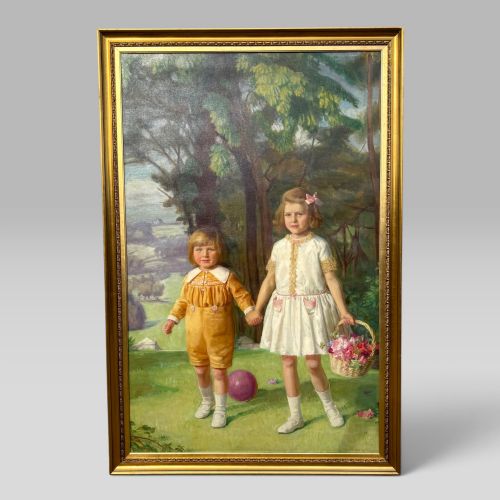
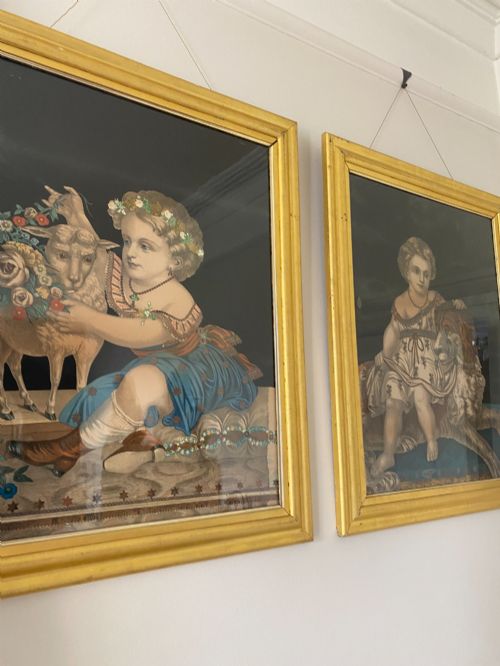
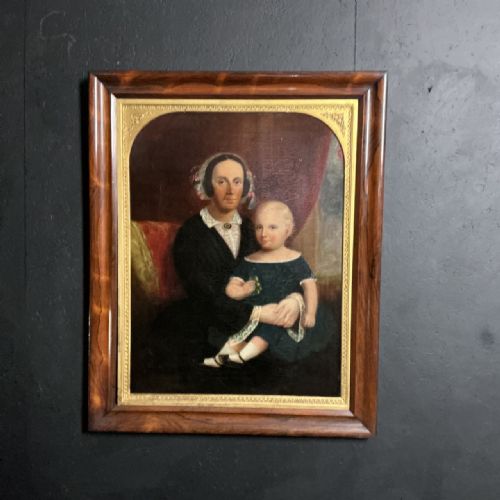
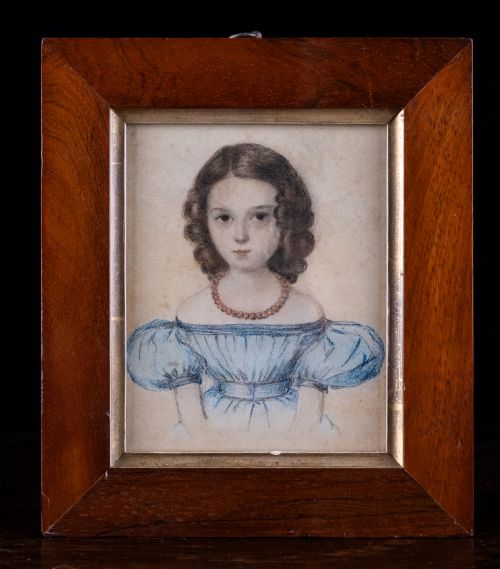


Children Portrait Art
When you search for children portrait art, you encounter centuries of faces captured in oil, pastel, and print.
Children Portrait Art
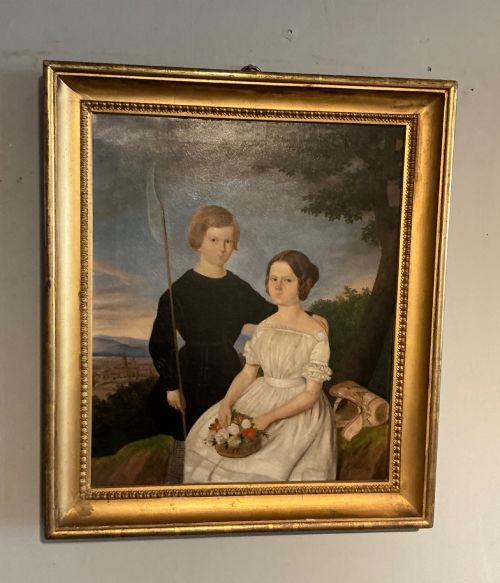
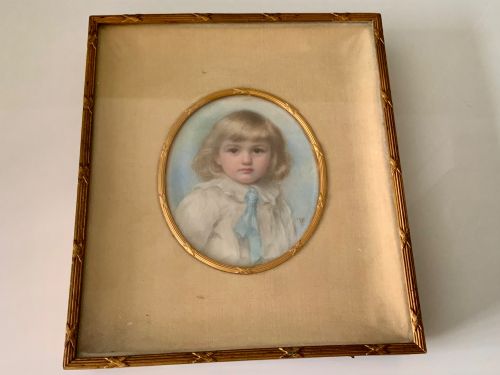
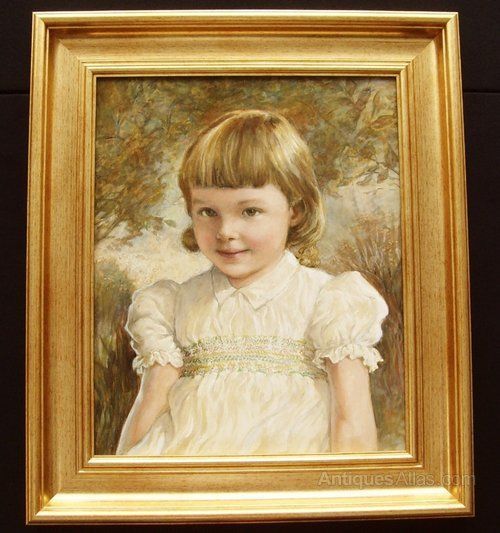
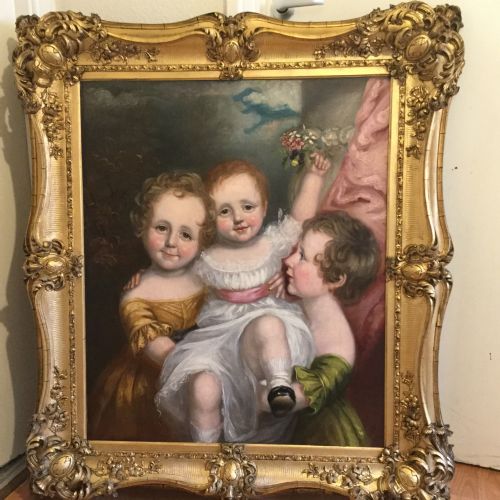
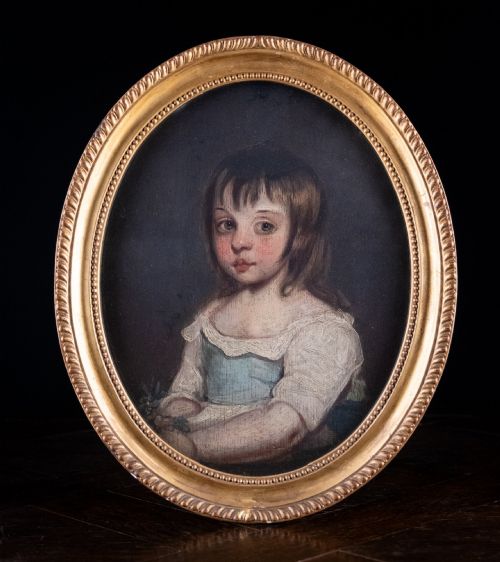
Children portrait art captures the likeness and character of youth across past centuries, ranging from formal aristocratic commissions to intimate family records. These depictions span from sixteenth-century religious representations of holy children to nineteenth-century domestic paintings of boys and girls.
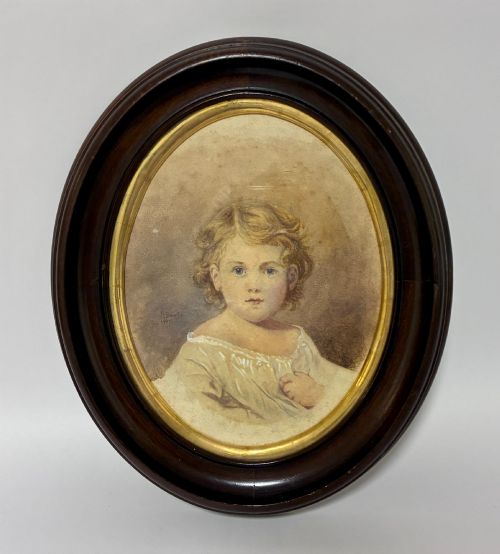
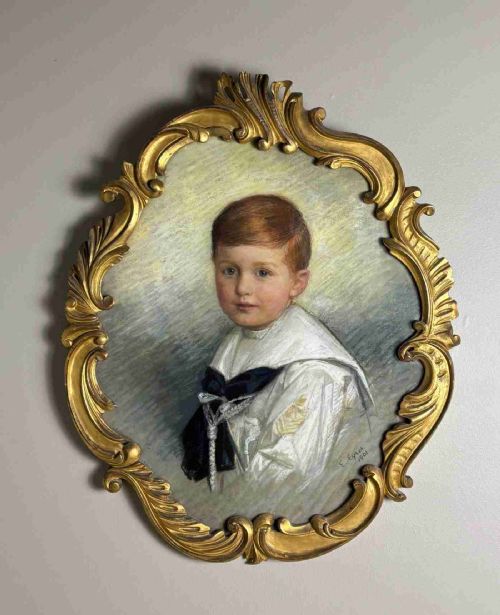
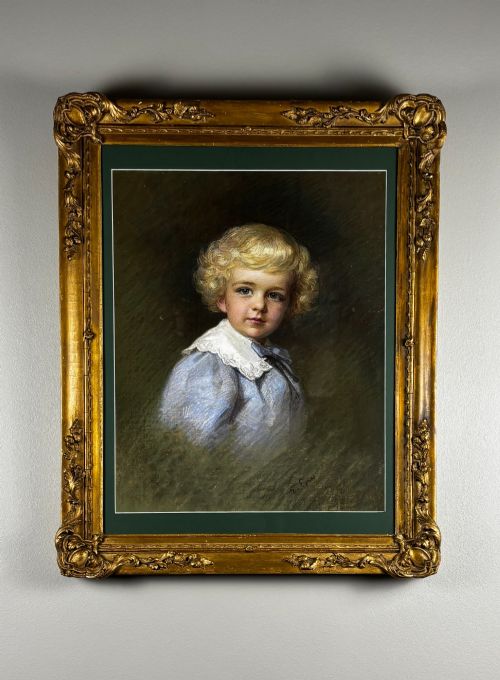
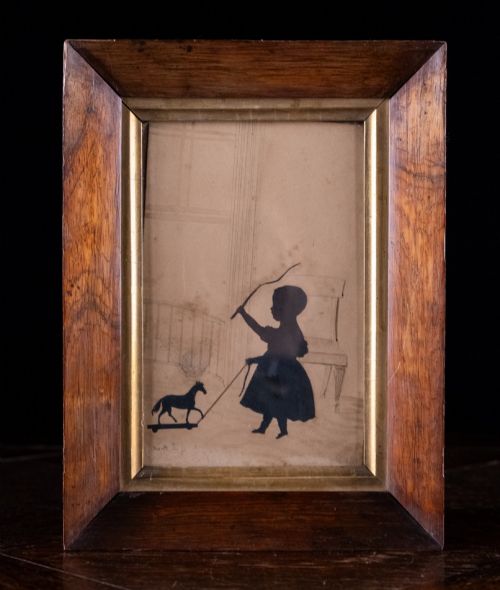
The selections available here lean heavily toward nineteenth-century oil paintings and watercolours, alongside eighteenth-century works and later framed prints. Buyers encounter canvases depicting single subjects, sibling groups, and subjects engaged in everyday childhood activities.
Originating from British, European, and studio contexts, these pieces reflect changing social attitudes toward childhood. Whether rendered in grand style or naïve folk art, each piece preserves a distinct moment in juvenile history.
Materials and methods
Substrates ranged from woven canvas stretched over wooden frames to thick paper and card for pastels and watercolours. Gilding with gold leaf added luminosity to frames, while glass protected delicate works on paper from atmospheric damage.
Children Portrait Art Retail Price Guide 2026
Typical asking prices for children portrait art among the pieces listed under this phrase on Sellingantiques today, from the lower quarter to the upper quarter. They describe what is for sale here now, not the wider market.
The listings span the sixteenth to the twentieth centuries, utilising oil on canvas, paper, wood, and giltwood frames.
Distinctions in quality
The distinction between standard works and exceptional examples rests upon the anatomical accuracy of the subject, the expressive depth of the face, and the handling of light. Master painters rendered textiles, skin tones, and subtle emotional nuances with precision that lesser studio hands missed.
Condition and originality play a significant part in the standing of a piece, particularly the survival of the original pigment without heavy restoration. Matching frames appropriate to the period of the artwork elevate the overall integrity of the piece.
George F. Bird·Sir Thomas Lawrence·Bernardino Luini·Sir Allan Ramsay·Mary Beale·Georges de La Tour·Joshua Reynolds·Edward·Frederick Morgans·Vittorio Reggianini·Leon Sprinck·Augustin Edouart·Adelaïde Salles-Wagner·Henry Travis·Adam Buck·Thomas Beach·Henry Windsor Fry·James Ward·John Hoppner·Charles Hunt
The Children Portrait Art Glossary
- Mezzotint
- A printmaking process where the copper plate is roughened to achieve rich tonal gradations in dark areas. This technique allowed eighteenth-century printmakers to faithfully translate painted portraits into monochrome prints.
- Naïve art
- Artwork produced by artists without formal academic training, often characterised by flat perspective and direct expression. These pieces possess a charming simplicity distinct from court portraiture.
- Giltwood
- Wood that has been coated with a thin layer of gold leaf or gold paint. Such frames surround many fine period canvases.
- Pastel
- A medium consisting of powdered pigment and a binder, rolled into sticks for drawing. It produces velvety surfaces that require glass protection.
- Studio of
- A designation indicating a work produced by assistants or pupils working under the direct supervision of a master artist. Such pieces often share the compositional style of the primary master.
Children Portrait Art: Frequently Asked Questions
How do I date an antique portrait?
Dating relies upon stylistic cues in the clothing, hair styling, and framing materials associated with the subject. Costume historians can place a sitter within a specific decade based on collars, lace, and cut of garments.
Signatures, artist attribution, and inscriptions on the reverse of the canvas or frame provide further chronological markers. Technical examination of the canvas weave and pigments confirms the manufacturing era.
What is the difference between an oil painting and a mezzotint?
An oil painting is a unique, hand-painted work utilising pigment suspended in drying oil upon canvas or wood. Each brushstroke is singular and executed directly by the artist or studio.
A mezzotint is a printed reproduction created from an engraved metal plate, allowing multiple impressions of a popular painted portrait to be circulated. Prints offered collectors an accessible alternative to original canvases.
How should I care for antique works on paper?
Works on paper, including watercolours and pastels, require protection from direct sunlight to prevent fading of the delicate pigments. Archival framing materials stop acid migration from backing boards into the paper.
Maintain stable humidity levels in the room where the art hangs to avoid paper warping or mould growth. Ensure the piece is glazed with protective glass to shield the fragile surface from dust and handling.
Why are some portraits attributed to a school or circle?
Attributions to a school or circle indicate that a painting was created in the style of a master artist during their lifetime or shortly after. These works display the technical methods of a specific workshop or regional tradition without bearing a signature.
Such designations help classify pieces where the specific hand remains unknown but the artistic influence is clear. They reflect the collaborative nature of historical art production.