

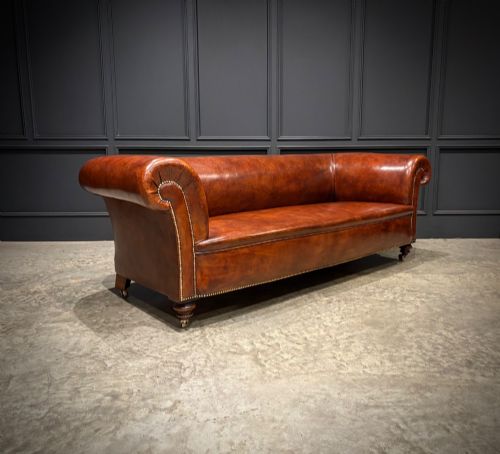


Chestnut Leather Seat
A chestnut leather seat brings tactile warmth and enduring comfort to a room, ranging from deep-buttoned chesterfields to streamlined club chairs.
Chestnut Leather Seat
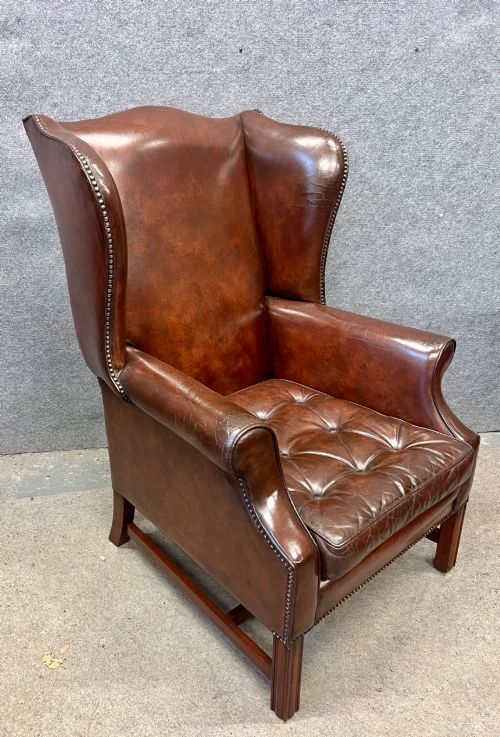
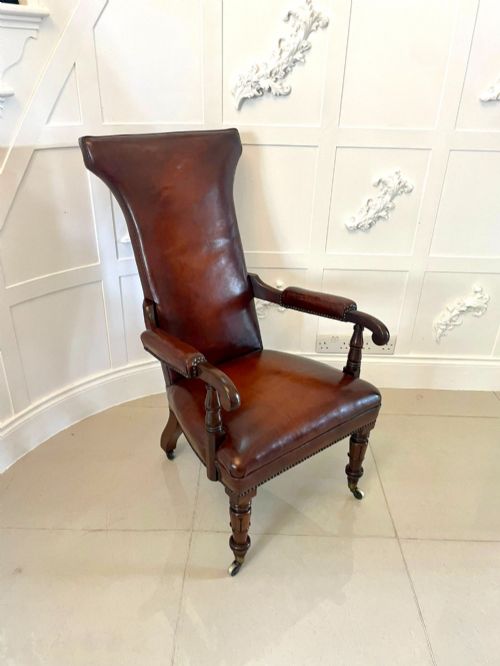
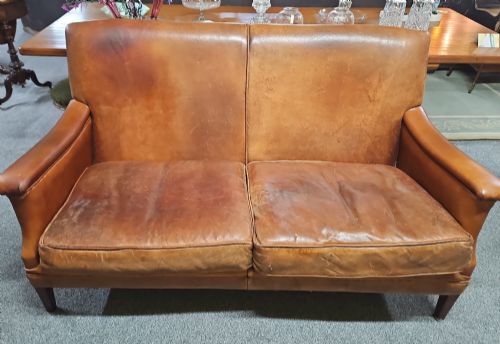
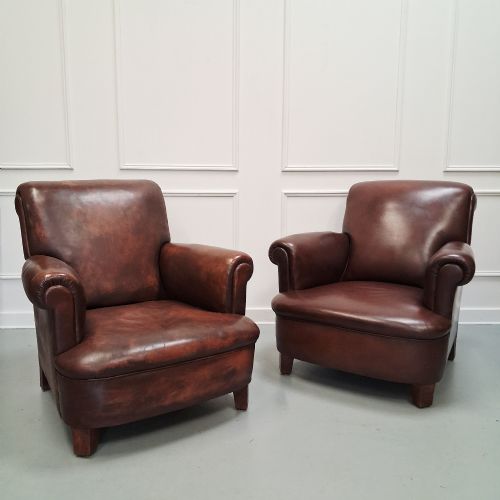
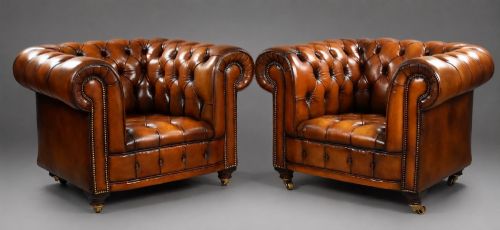
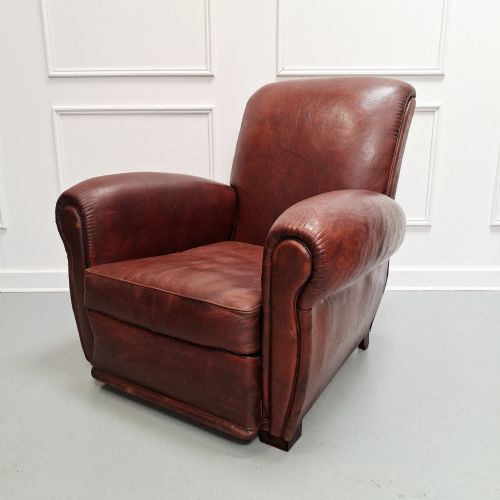
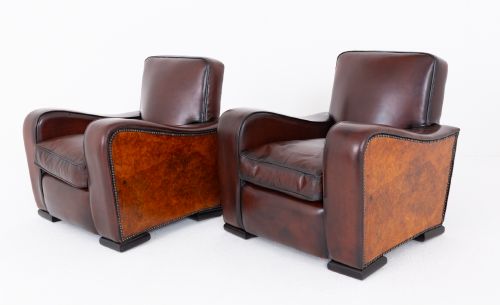
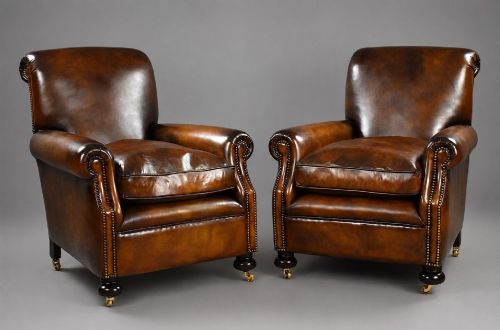
A chestnut leather seat encompasses robust seating options designed for studies, libraries and living spaces, drawing on periods from the Regency era through to the 1930s. When exploring a chestnut leather seat, buyers frequently encounter substantial club chairs, buttoned chesterfield sofas and supportive office or library armchairs.
The selection ranges across Victorian, Edwardian and Art Deco aesthetics, alongside traditional English and revival styles. Mahogany, oak, burr walnut and other hardwoods form the structural foundations beneath the hide upholstery.
Originating predominantly from British and French workshops, these seating pieces serve both functional work spaces and relaxed domestic interiors. The forms vary from low club chairs to large reclining library chairs and double-ended couches.
How a chestnut leather seat was made
Construction relies upon solid timber frames fashioned from mahogany, oak, walnut and mixed hardwoods, providing sturdy support for daily use. Cabinet makers and upholsterers shaped these frames to accommodate sprung interiors and substantial cushioning.
The upholstery employs durable leather hides fastened securely to the wooden frames, often accented with brass detailing such as studwork. Skilled hands shaped the cushioning and applied traditional finishing techniques to achieve the characteristic rich brown tones.
Chestnut Leather Seat Retail Price Guide 2026
Typical asking prices for chestnut leather seat among the pieces listed under this phrase on Sellingantiques today, from the lower quarter to the upper quarter. They describe what is for sale here now, not the wider market.
Some library chairs hide generous proportions beneath deceptively compact frames, designed for scholars who valued both endurance and comfort during long hours of study.
What varies in quality
Quality rests upon the depth of character in the leather hide and the integrity of the underlying hardwood frame. Finer examples display a harmonious balance between robust structural joinery and supple, patinated upholstery that shows natural age.
The distinction between standard workshop output and exceptional pieces lies in the refinement of the carved mahogany or walnut elements and the precision of the buttoning. Pieces retaining their original timber frames and deep patination command greater appreciation among collectors.
The Chestnut Leather Seat Glossary
- Chesterfield
- A large upholstered sofa traditionally featuring deep buttoning and rolled arms of equal height. This form remains a staple of traditional English seating design.
- Club chair
- A deep, comfortable armchair designed for relaxation, often upholstered in heavy leather. French and English interpretations dominate the early twentieth-century examples.
- Library chair
- A sturdy armchair designed for reading rooms and studies, frequently constructed from mahogany or oak with leather upholstery. These chairs prioritize ergonomic support for long periods of work.
- Buttoning
- An upholstery technique where twine is pulled through the padding and secured to create a tufted, diamond pattern. This method keeps the internal stuffing evenly distributed.
Chestnut Leather Seat: Frequently Asked Questions
What is a chestnut leather seat?
A chestnut leather seat refers to upholstered armchairs, sofas and desk chairs upholstered in rich brown leather spanning various historical periods from the nineteenth century to the Art Deco era.
These pieces combine wooden frames of mahogany, oak or walnut with durable hide coverings designed for functional use and comfort.
How do I care for leather seats?
Maintain the leather by keeping it away from direct heat sources and applying specialised leather conditioners periodically to preserve suppleness.
Regular dusting with a soft cloth prevents dirt accumulation in the creases and button folds of the upholstery.
Where were these chairs used?
These seating options historically furnished private libraries, offices, studies and formal reception rooms.
Library and desk chairs served working environments, while club chairs and chesterfield sofas provided seating in domestic living spaces.
How do I date a leather armchair?
Dating relies upon examining the timber species, joinery methods, furniture styles and the characteristics of the leather hide.
Victorian and Edwardian pieces exhibit distinct revival motifs and frame constructions that differentiate them from later Art Deco or 1930s designs.