


Chest of Drawers Bun Feet
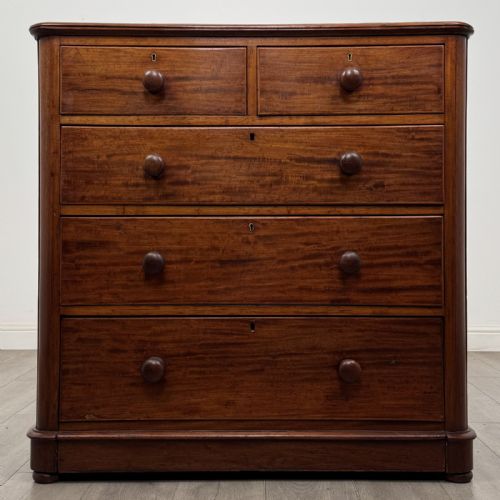
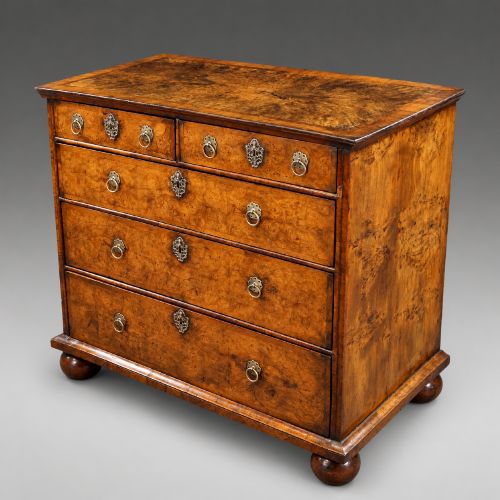
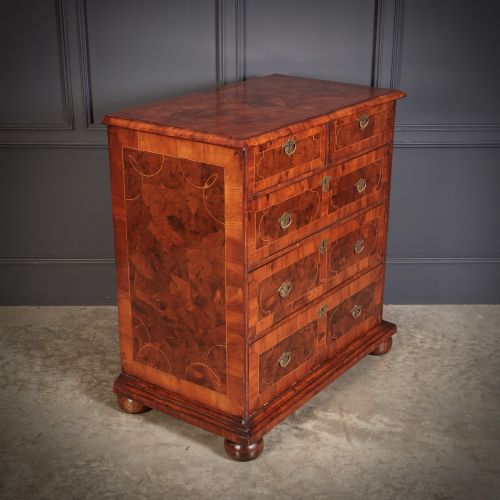
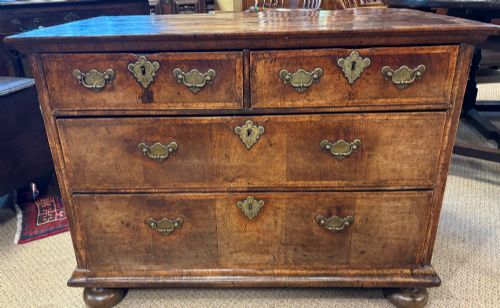
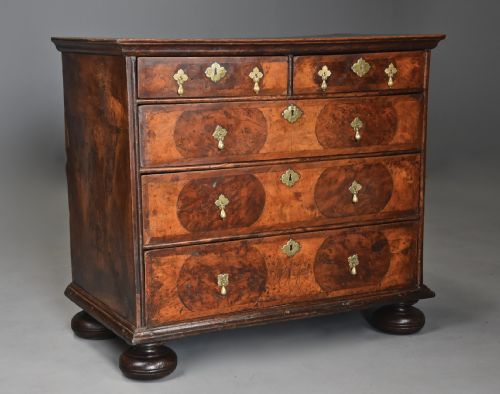
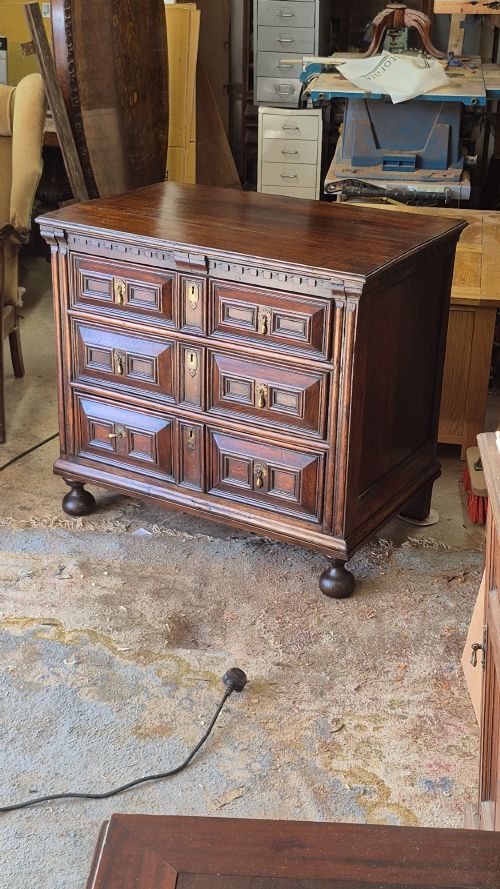
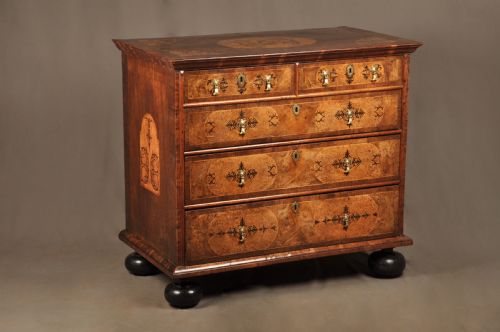
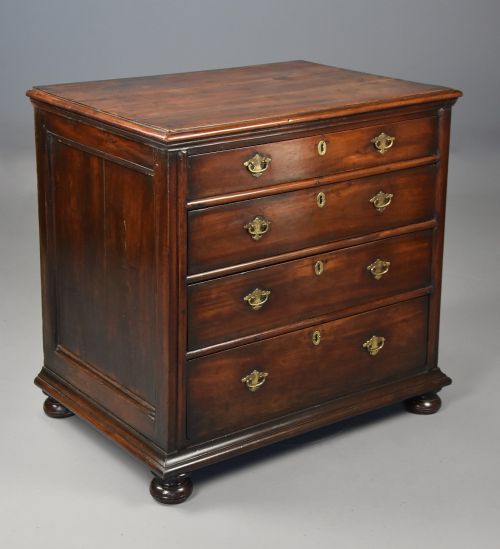
These walnut, oak and fruitwood pieces deliver substantial storage raised on classic turned supports when you select a chest of drawers bun feet.
Chest of Drawers Bun Feet
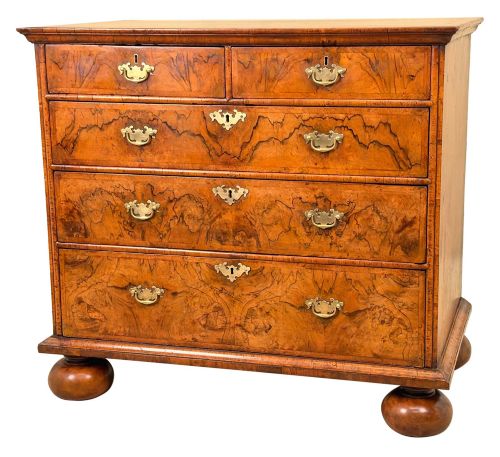
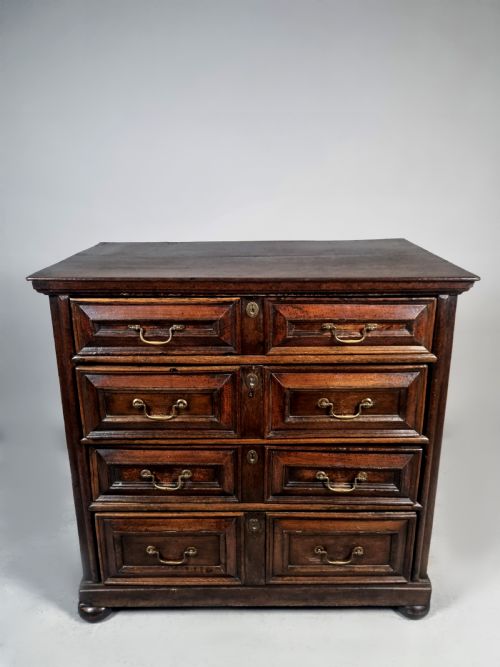
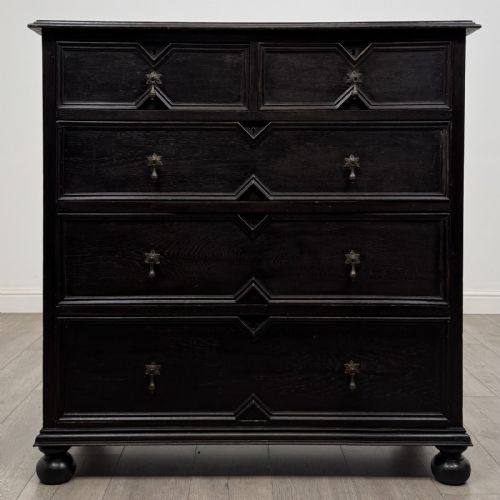
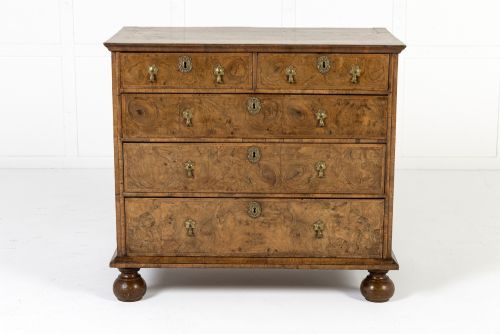
A chest of drawers bun feet provides traditional storage drawing heavily on seventeenth-century and eighteenth-century craftsmanship, alongside later Victorian interpretations. Buyers encounter compact walnut veneered examples, sturdy oak forms with geometric mouldings, and fruitwood pieces raised on spherical or slightly flattened turned feet.
The selection ranges from early William and Mary and Queen Anne periods through to Georgian and Victorian eras, including occasional miniature furniture and bureaux. These pieces anchor a room with rich timber grains and period proportions while offering practical drawer space.
Materials and construction
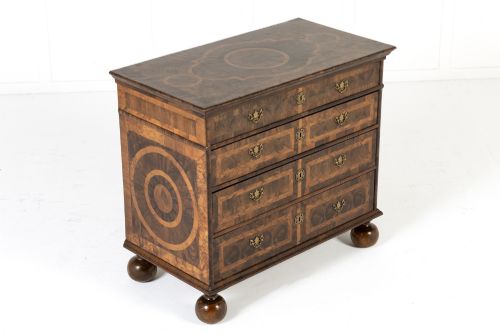
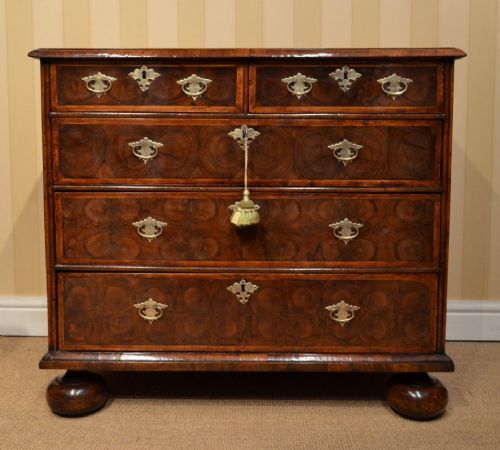
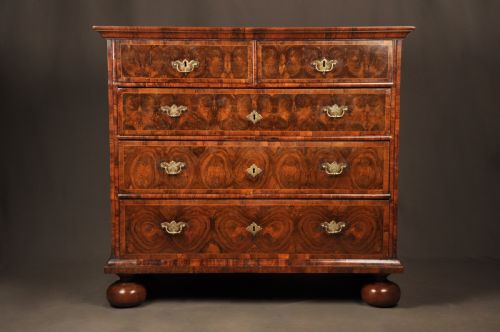
Cabinet makers utilised native and imported timbers, pairing structural oak with decorative faces of walnut, burr walnut, olive, yew, laburnum and fruitwood. Surfaces frequently display intricate oyster veneering, arabesque and floral marquetry inlay, or geometric block fronts.
Brass drop handles and escutcheons complement the woodwork, while the characteristic turned bun feet elevate the heavy timber carcase from the floor.
Chest of Drawers Bun Feet Retail Price Guide 2026
Typical asking prices for chest of drawers bun feet among the pieces listed under this phrase on Sellingantiques today, from the lower quarter to the upper quarter. They describe what is for sale here now, not the wider market.
Even miniature furniture received the full treatment, complete with tiny turned bun feet and working drawers.
Quality and character
The sophistication of the surface decoration and the choice of timber define the hierarchy of these items, moving from plain solid oak to highly figured burr walnut and complex marquetry panels. Patina and the integrity of the original veneers play a central role in distinguishing superior examples.
Proportion and the handling of edge banding or cross-banding further separate standard utilitarian storage from masterwork cabinet work produced during the William and Mary and Queen Anne periods.
The Chest of Drawers Bun Feet Glossary
- Bun feet
- Spherical or slightly flattened turned wooden supports characteristic of late seventeenth-century and later furniture. They raise the carcase cleanly off the floor.
- Oyster veneering
- The practice of cutting small branches obliquely to produce circular or oval ring patterns resembling oysters. This technique was widely utilised during the seventeenth century.
- Marquetry inlay
- Decorative patterns formed by fitting contrasting pieces of veneer into a prepared ground. Floral and arabesque motifs frequently appear on walnut carcases.
- Geometric block front
- Raised or sunken geometric panels moulded into the drawer fronts, often seen on seventeenth-century oak furniture.
- Cross-banding
- A narrow strip of veneer laid around the borders of a drawer front or top so that the grain runs at right angles to the central panel.
Chest of Drawers Bun Feet: Frequently Asked Questions
How do I date a chest of drawers?
Dating relies upon examining the timber species, construction methods, handles and decorative techniques such as oyster veneering or marquetry. Seventeenth-century and early eighteenth-century pieces often display oak carcases with walnut veneers and hand-cut dovetails.
Later Victorian interpretations adopt similar stylistic traits like bun feet but utilise different internal construction and softer secondary timbers. Comparing the hardware and veneer styles against known period examples clarifies the age.
Are bun feet always original?
Bun feet frequently experience wear or damage due to their ground-level position and weight-bearing role. Many surviving pieces retain feet that have been restored or replaced at a later date.
Examining the timber attachment points and finish helps determine whether the supports date from the same period as the main carcase.
What is oyster veneer?
Oyster veneer is created by slicing small branches of walnut, olive, laburnum or fruitwood across the grain at an angle. This produces small circular or oval sections with rich concentric growth rings.
Cabinet makers arranged these slices closely together across drawer fronts and tops to create intricate, repeating patterns during the late seventeenth century.
How do I care for antique walnut?
Antique walnut furniture requires a stable indoor environment away from direct sunlight and sudden temperature fluctuations. Maintaining consistent humidity prevents the delicate veneers from drying out or lifting.
Application of traditional wax polish helps nourish the timber and preserves the natural patina developed over centuries of use.