



Cherub Vanity Mirror
These cherub vanity mirror pieces bring sculptural charm to a dressing table, combining reflective glass with ornate winged figures.
Cherub Vanity Mirror
A cherub vanity mirror serves as both a practical looking glass and a decorative accessory for dressing tables, walls, and handheld use. When searching for a cherub vanity mirror, buyers encounter various forms including wall mirrors, dressing table mirrors, and hand mirrors produced across different periods.
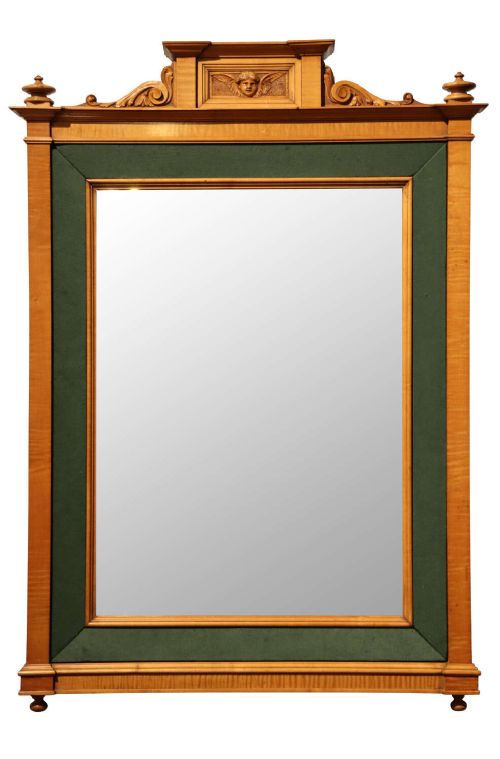
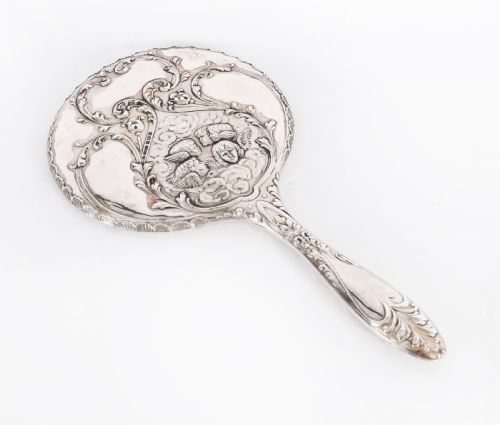
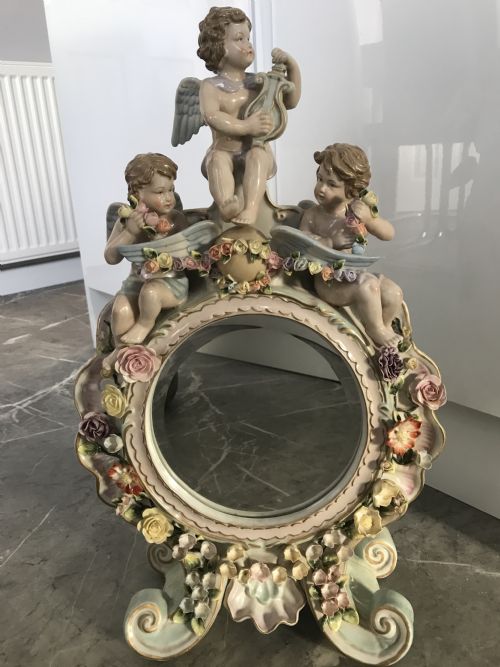
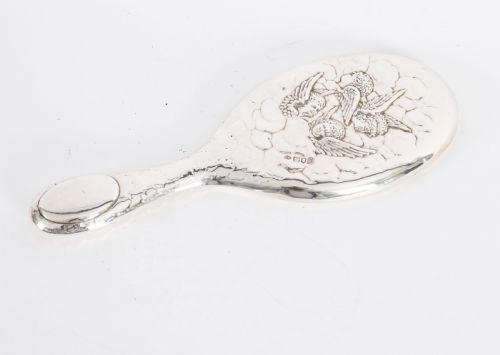
Most examples originate from continental factories, British workshops, and French studios, utilising materials such as porcelain, sterling silver, brass, bronze, and satinwood. These diverse origins provide collectors with distinct regional interpretations of the cherub motif.
How they were made
Metals such as sterling silver, brass, and bronze form structural frames and detailed cherub reliefs through casting, embossing, and silver deposit techniques. Artisans shaped these metals to support mirror glass plates while incorporating elaborate scrollwork and winged figures.
Ceramic pieces utilise continental porcelain decorated with applied flowers and hand-painted details. Wooden examples incorporate satinwood and oak, often paired with carved wooden crests or fabric backing to frame the reflective plate.
Cherub Vanity Mirror Retail Price Guide 2026
Typical asking prices for cherub vanity mirror among the pieces listed under this phrase on Sellingantiques today, from the lower quarter to the upper quarter. They describe what is for sale here now, not the wider market.
Listings feature materials spanning sterling silver, porcelain, bronze, brass, satinwood, and glass across the Victorian and Edwardian periods.
What varies in quality
The crispness of the casting or carving on the cherub figures distinguishes finer examples from simpler production. Superior pieces display intricate detail in the feathers, facial expressions, and surrounding floral motifs.
Materials and construction integrity also define the upper tier of the range. Solid sterling silver mounts, substantial bronze frames, and well-preserved porcelain flower applications indicate higher craftsmanship than plated or lightweight alternatives.
Charles Boyton·S Blanckensee and Son·Jean Gille·William Comyns
The Cherub Vanity Mirror Glossary
- Rococo Revival
- A nineteenth-century design style characterised by asymmetrical scrollwork, naturalistic plant motifs, and ornate curves that often frame cherub figures.
- Sterling silver
- A silver alloy containing ninety-two point five percent pure silver and seven point five percent other metals, frequently utilised for handheld and dressing table mirrors.
- Silver deposit
- A decorative technique where pure silver is chemically bonded onto a porcelain or glass surface in intricate patterns.
- Ormolu
- A gilding technique applied to bronze or brass mounts, popular in French decorative arts during the nineteenth century.
Cherub Vanity Mirror: Frequently Asked Questions
How were cherub vanity mirrors used?
These mirrors functioned as personal grooming accessories on dressing tables or as decorative wall hangings in domestic interiors. Hand mirrors allowed for close-up viewing, while easel and table mirrors remained stationary.
Their decorative qualities meant they were often displayed prominently in bedrooms and boudoirs as ornamental objects of status.
What materials are typical for these mirrors?
Makers utilised a wide range of materials including sterling silver, brass, bronze, porcelain, and satinwood. Glass forms the reflective plate, sometimes accompanied by fabric backing or hand-painted ceramic flowers.
Continental factories and British workshops selected these materials to match the prevailing revival styles of the nineteenth and early twentieth centuries.
How do I distinguish between periods?
Victorian and Edwardian pieces often exhibit heavy sterling silver mounts with hallmarks that date the exact year of manufacture. Earlier nineteenth-century French examples frequently employ bronze, ormolu, and silver deposit on porcelain.
Art Deco items shift towards geometric lines combined with bronze and brass, departing from the earlier ornate Rococo Revival curves.
Where were these mirrors manufactured?
Production centres included British workshops in London and Birmingham alongside continental European factories and French studios. Each region imparted distinct stylistic preferences, from British sterling silver hallmarks to continental porcelain modelling.
Makers across these locations adapted classical cherub motifs to suit local tastes and contemporary revival movements.