




Cherub Brass Table
A cherub brass table search brings up decorative items featuring winged figures in brass, bronze, and ormolu, valued for domestic illumination and display.
Cherub Brass Table
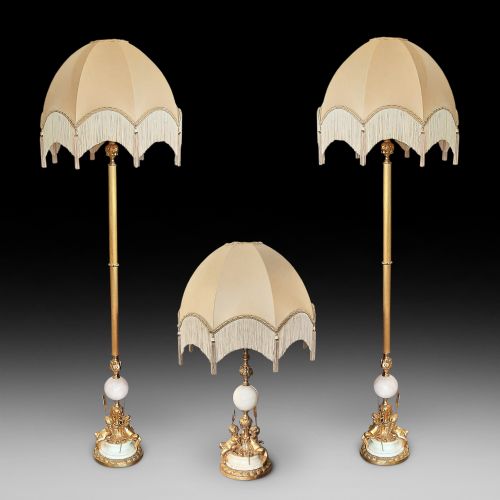
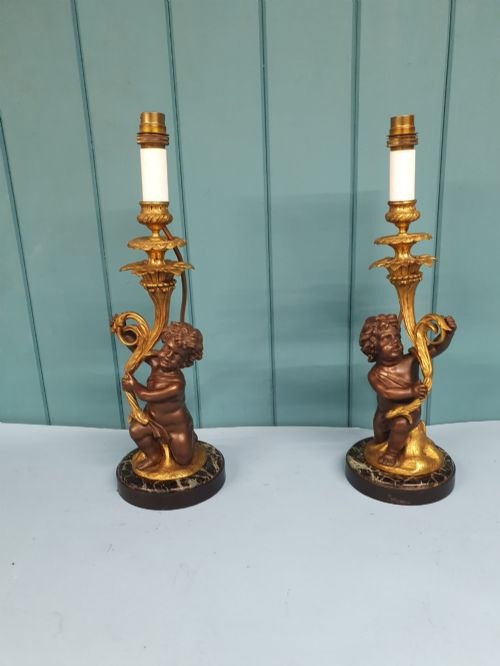
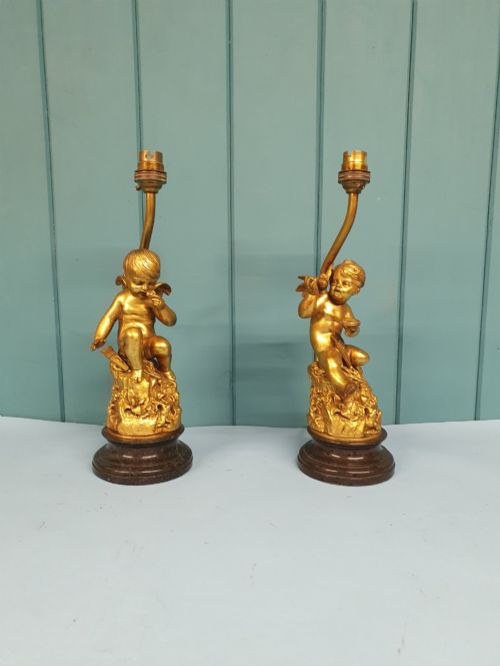
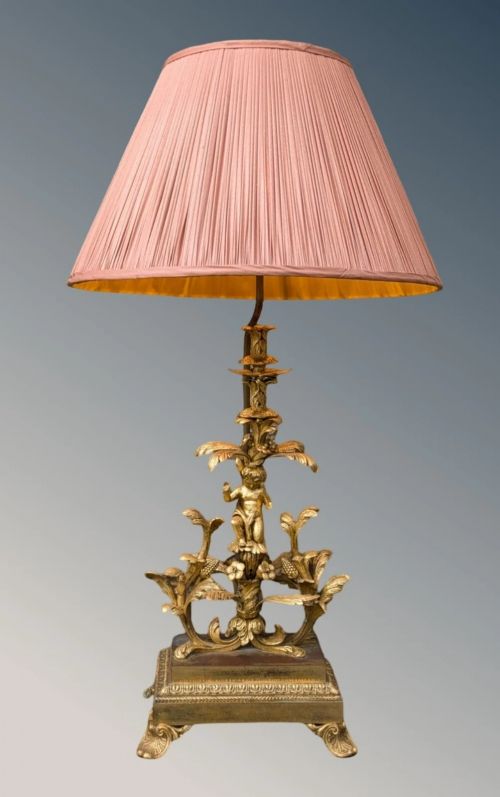
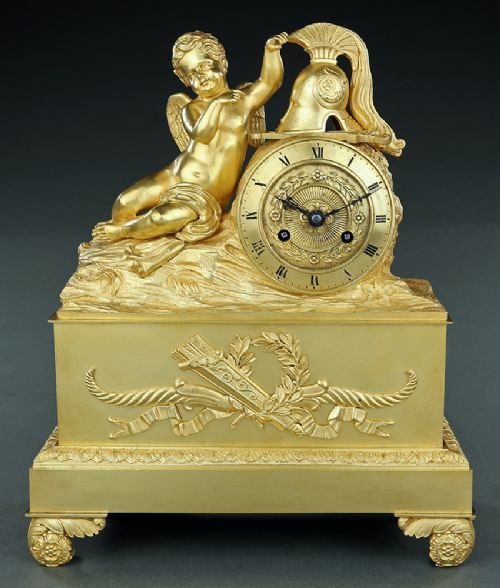
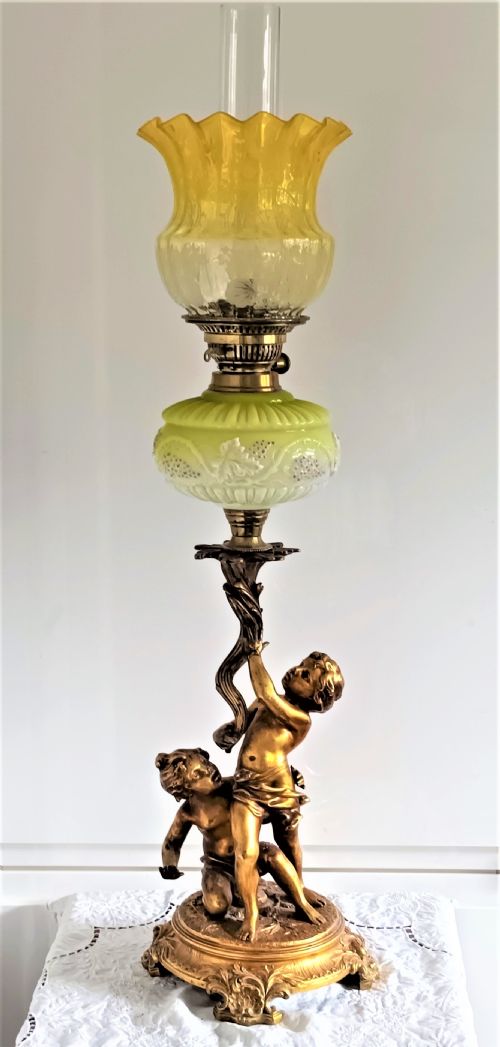
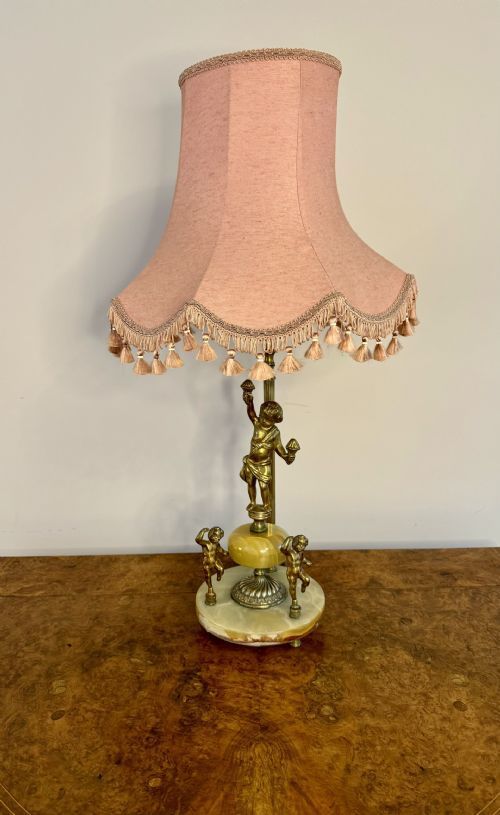
A cherub brass table search reveals functional decorative objects, predominantly taking the form of table lamps, oil lamps, and candlesticks incorporating figures of cherubs, putti, or cupids.
The selections span the nineteenth century into the nineteen-twenties, frequently manifesting in French Rococo Revival, Louis styles, and Victorian designs.
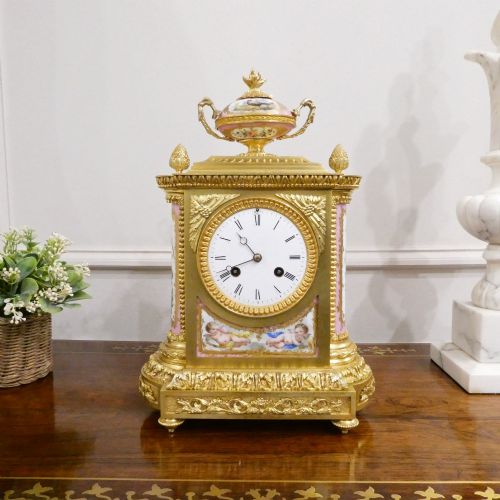
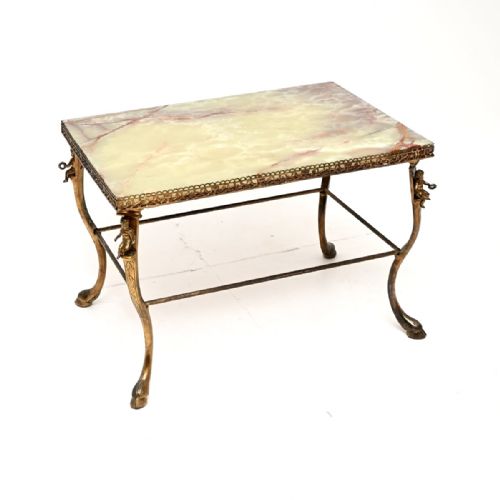
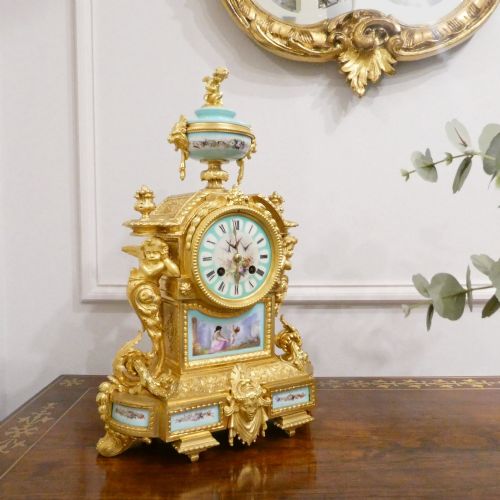
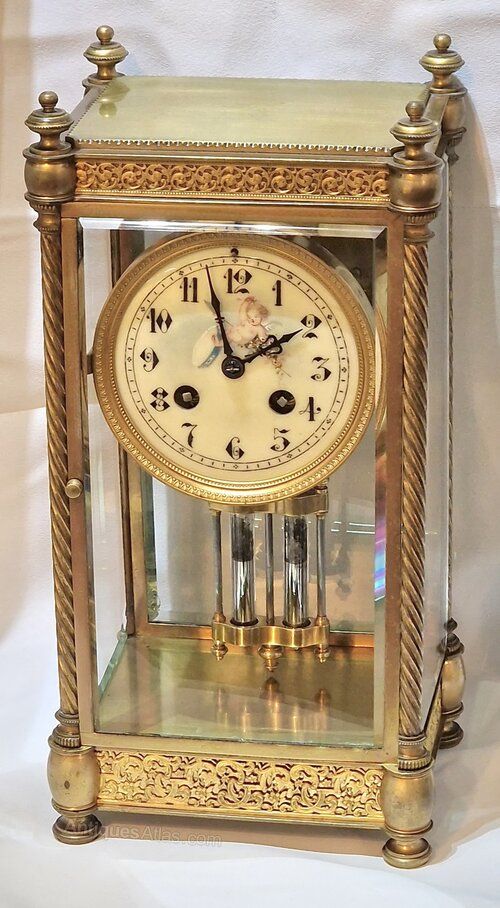
Alongside lighting, the inventory encompasses mantle clocks, candelabra, and occasional coffee tables featuring brass and gilded metalwork.
How they were made
Items rely heavily on cast brass, ormolu, and gilt bronze, often combined with materials such as marble, onyx, porcelain, and glass.
Many lighting pieces incorporate figures originally cast in bronze or brass that were subsequently adapted into table lamps.
Clock cases and lamp bases demonstrate traditional metal casting, gilding, and porcelain mounting techniques common to French and English workshops.
Cherub Brass Table Retail Price Guide 2026
Typical asking prices for cherub brass table among the pieces listed under this phrase on Sellingantiques today, from the lower quarter to the upper quarter. They describe what is for sale here now, not the wider market.
Several dancing cherubs appear to have lost their original candles but kept their cheerful expressions.
What varies in quality
The integration of mixed materials, such as combining ormolu with porcelain panels, marble plinths, or onyx bases, influences the overall substance of the piece.
Jean-Baptiste Delettrez·Le Roy·Samuel Marti
The Cherub Brass Table Glossary
- Ormolu
- Gilded bronze, typically produced using a mercury-gilding technique on decorative metalwork. This finish gives eighteenth and nineteenth-century pieces their characteristic bright golden lustre.
- Putti
- Depictions of chubby male infants, frequently winged, used widely in classical and revivalist ornamentation. They appear frequently on these lamp bases and clock dials.
- Candelabra
- Branched lighting fixtures designed to hold multiple candles. These examples often incorporate figurative brass and bronze stems.
- Boulle
- A marquetry technique utilising brass and tortoiseshell inlay, seen on select nineteenth-century mantle clocks within the collection.
- Tole Peinte
- Painted sheet metal, utilised in the construction of specific period lamp bodies and shades.
Cherub Brass Table: Frequently Asked Questions
What are cherub table lamps made of?
These lamps are constructed primarily from cast brass, ormolu, and bronze, frequently mounted upon bases of marble or onyx.
Additional materials include porcelain sections, glass elements, and hand-painted ceramic details.
How do I date a brass cherub clock?
Dating relies on stylistic indicators such as French Rococo Revival or Louis XVI influences, alongside movement types and material combinations.
Many examples originate from the nineteenth century, running from the eighteen-fifties through the nineteen-twenties.
Were these lamps originally electric?
Most lighting items started as oil lamps, candlesticks, or bronze statuettes before undergoing conversion to table lamps later in their history.
Original configurations often utilised oil burners or wax candles rather than electrical fittings.
What is the difference between ormolu and brass?
Brass is an alloy of copper and zinc used for structural and decorative components across various periods.
Ormolu specifically denotes gilded bronze, applying a layer of gold to a bronze base to achieve a rich golden finish.