



Chateau Style Table Lighting
Chateau style table lighting brings grand French architectural warmth indoors through gilded metals, carved wood and fine porcelain.
Chateau Style Table Lighting
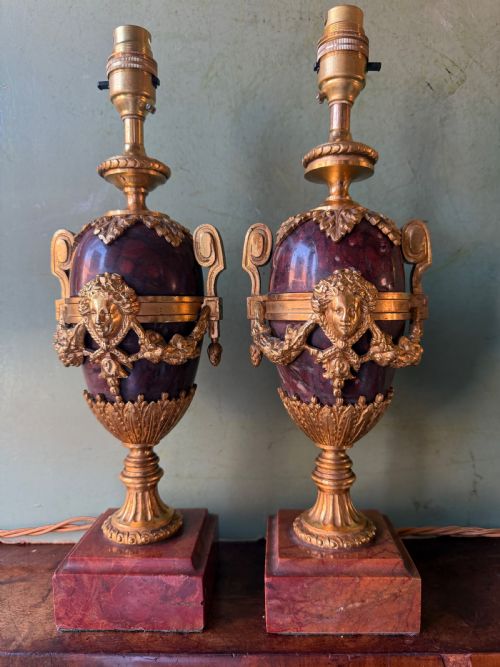
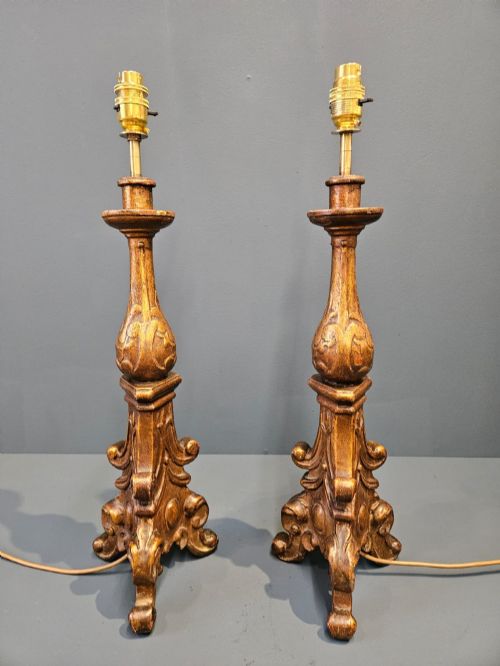
Chateau style table lighting encompasses ornate lamps, candelabra and candlesticks designed to evoke the opulence of historic French estates. Buyers searching for chateau style table lighting will encounter pieces predominantly dating from the nineteenth century up to the nineteen-thirties.
Most items reflect French origins, utilising traditional forms like urns, ewers and column bases. The inventory leans heavily towards matched pairs, making them suitable for balanced placement on sideboards or mantelpieces.
Materials and construction methods
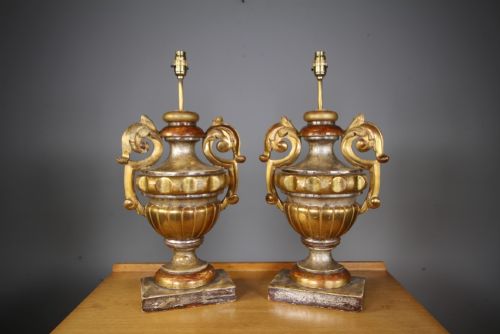
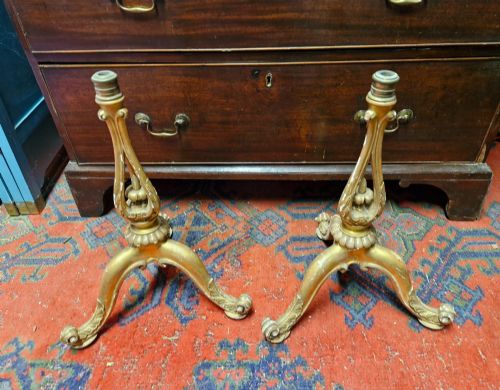
Metalwork forms the structural backbone of these pieces, employing cast bronze, ormolu, brass and gilt metal shaped into intricate foliate and figural motifs. Artisans applied gilding, gold leaf or silver leaf to surfaces to catch and reflect candlelight or early electric illumination.
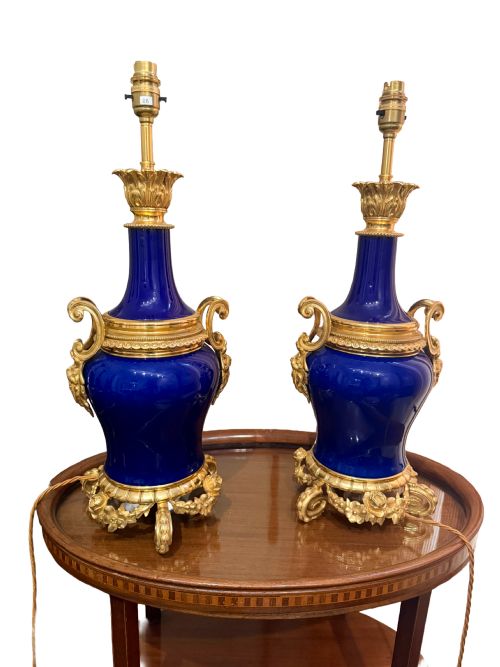
Base materials often incorporate natural elements such as rouge marble, carved pine, timber and moulded plaster to add weight and textural contrast. Porcelain components, including blue porcelain and Sevres style bodies, are frequently mounted with metal mounts to secure the composition.
Chateau Style Table Lighting Retail Price Guide 2026
Typical asking prices for chateau style table lighting among the pieces listed under this phrase on Sellingantiques today, from the lower quarter to the upper quarter. They describe what is for sale here now, not the wider market.
Several heavy marble bases incorporate cheerful cherub figures holding up candle branches, watching over the room from the sideboard.
Distinguishing quality in decorative lighting
Quality reveals itself in the crispness of the casting and the depth of the hand-carving on wood and stone elements. Finer pieces demonstrate meticulous chording on ormolu mounts and seamless integration between porcelain bodies and metal fittings.
The choice of materials dictates the upper tier of the range, where genuine marble and fire-gilded bronze supplant painted wood or lighter metal alloys. Superior examples retain their original gilding and integrated crystal drops without modern replacement parts.
The Chateau Style Table Lighting Glossary
- Ormolu
- Gilded bronze produced by applying a mercury and gold amalgam to a bronze base, creating a distinctive warm lustre. This technique was widely utilised in eighteenth and nineteenth-century French decorative arts.
- Sevres
- Porcelain originating from the renowned French factory, characterised by rich coloured grounds and hand-painted details. These pieces are frequently mounted with gilt metal fixtures for table use.
- Candelabra
- A branched candlestick designed to hold multiple taper candles simultaneously. In chateau style lighting, these often feature central decorative figures or urns.
- Louis XVI style
- A classical revival design movement marked by straight lines, symmetry and ancient Greek or Roman motifs. It forms the stylistic basis for many nineteenth-century French lamps.
- Table lustre
- A decorative glass or porcelain candlestick adorned with suspended crystal pendants. These prisms scatter light around the room during use.
Chateau Style Table Lighting: Frequently Asked Questions
What periods do these lamps come from?
The lighting options span primarily from the nineteenth century through the early twentieth century. Key periods represented include the Victorian era and the nineteen-twenties.
Craftsmen of these decades drew heavily upon earlier French design movements such as Rococo and Neoclassical styles.
How were these lighting pieces originally used?
Many items began as candleholders or decorative vases before undergoing conversion into electric table lamps. Candelabra provided ambient illumination in grand salons and dining rooms.
Pairs were typically displayed symmetrically on mantelpieces, side tables or chests of drawers.
Are these lamps sold as matched pairs?
A significant portion of the available inventory consists of matched pairs rather than single items. This symmetry reflects their original purpose as garnitures for mantelpieces.
Single lamp bases and ewers also appear for asymmetric placement in interior schemes.
How do I identify Louis XVI style lighting?
Louis XVI style pieces display geometric symmetry, classical architectural motifs and restrained ornamentation compared to earlier Rococo designs. Look for fluted columns, urn shapes and ribbon twists.
Ormolu mounts on these items often feature laurel wreaths or beaded borders.