



Chased Metal Platter
These chased metal platter pieces bring rich surface pattern and substantial weight to a room, offering both decorative presence and historical craft.
Chased Metal Platter
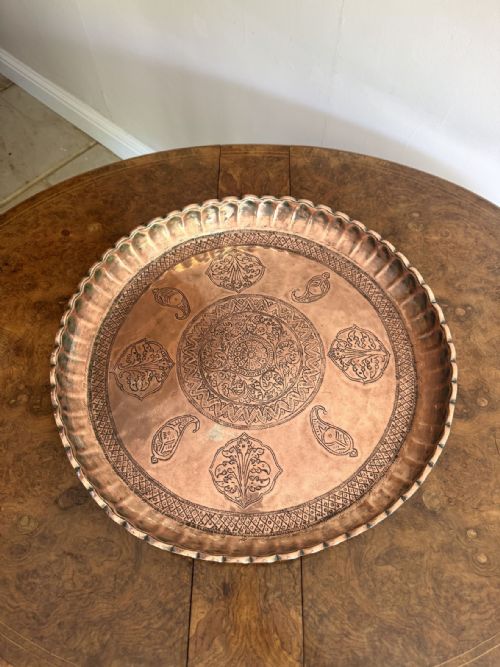
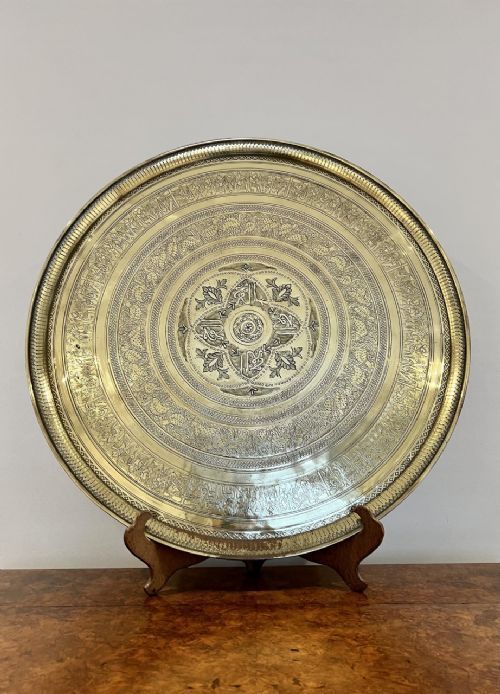
When you search for a chased metal platter, you encounter large circular copper, brass, and silver plated chargers and trays that serve primarily as decorative wall or table centerpieces. These items span periods from the nineteenth century up to later than nineteen sixty, taking forms such as wall chargers and deep decorative trays.
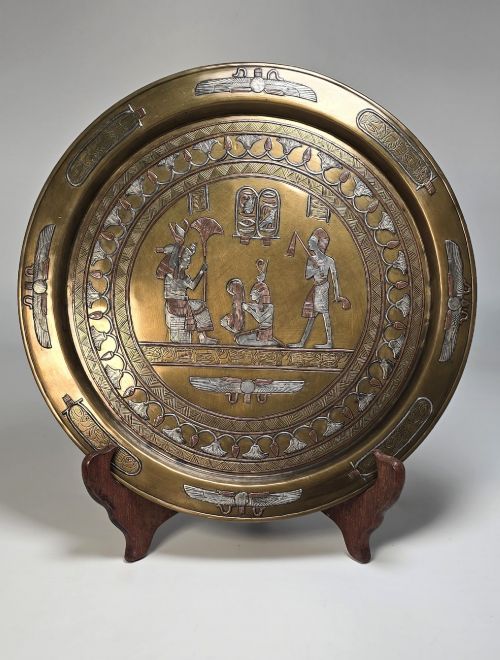
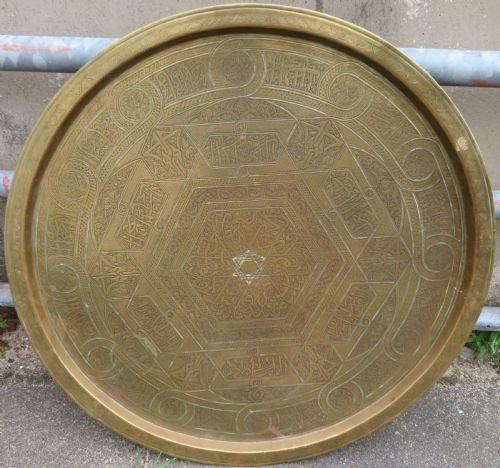
The objects frequently draw on international design traditions, including Anglo-Indian, Egyptian Revival, Middle Eastern, and Mamluk Revival styles. You are most likely to meet large circular mixed metal or copper trays originating from the late nineteenth century and the Edwardian era.
Makers utilised base metal, EPNS, and solid silver alongside copper and brass to achieve varied visual effects across different regional workshops. The resulting pieces range from heavily engraved Victorian surfaces to intricate Cairo Ware silver inlay chargers.
How they were made
Artisans formed these objects by working sheet copper, brass, and base metal through techniques like repoussé, chasing, and piercing. Surface decoration was achieved by hammering designs from behind or sinking patterns into the front using specialised punches.
Many examples incorporate mixed metals, applying silver inlay or silver plating over a copper or brass foundation to create high-contrast geometric and floral motifs. Pierced latticework and detailed engraved borders were frequently added to finished trays and chargers to enhance their visual depth.
Chased Metal Platter Retail Price Guide 2026
Typical asking prices for chased metal platter among the pieces listed under this phrase on Sellingantiques today, from the lower quarter to the upper quarter. They describe what is for sale here now, not the wider market.
Listings feature items spanning the nineteenth century, the Edwardian era, and the nineteen sixties, utilising brass, copper, and silver plate.
What varies in quality
Quality rests in the crispness and depth of the hand-chased and engraved surface patterns, where deeper tool work yields sharper definition. Pieces featuring complex mixed metal combinations or intricate silver inlay demand greater technical skill than plain engraved surfaces.
Proportion and scale also distinguish finer items, particularly large circular chargers that maintain structural rigidity across a generous diameter. The integration of specialised regional styles, such as Mamluk Revival or Egyptian Revival motifs, indicates a higher level of artisan execution.
The Chased Metal Platter Glossary
- Repoussé
- A metalworking technique where the artisan hammers the design from the reverse side to form a raised relief on the front. This method creates tactile, three-dimensional surface decoration on copper and brass.
- Chasing
- Working the metal from the front by sinking lines and details into the surface with punches and hammers. It refines repoussé work and adds fine texture.
- Cairo Ware
- Metalware produced in Egypt, typically featuring brass inlaid with silver and copper calligraphy or geometric patterns. These items were popular souvenirs during the nineteenth-century Grand Tour.
- Salver
- A plate or tray, usually made of silver or silver plate, traditionally used for presenting items. In this context, it refers to round service trays with raised rims.
- Mamluk Revival
- A design style inspired by the metalwork and architecture of the Mamluk Sultanate, characterised by dense geometric strapwork and Arabic inscriptions.
Chased Metal Platter: Frequently Asked Questions
How were these platters used?
These large metal pieces served primarily as decorative chargers, wall displays, or formal serving trays rather than everyday tableware. Their intricate engraved and inlaid surfaces made them central ornamental items in Victorian and Edwardian interiors.
Many examples brought back from overseas travels functioned as conversation pieces or focal points in drawing rooms and studies. Their substantial scale allowed them to be mounted on walls or displayed on dedicated stands.
How do I clean a chased tray?
Cleaning requires gentle care to preserve the dark patination settled within the recessed chased and engraved lines. Aggressive polishing can strip away historic finishes and flatten the crisp details of the hand-hammered patterns.
Use a soft cloth and avoid liquid dips, particularly on silver plated or mixed metal surfaces where harsh chemicals might damage the underlying base metal. Regular dusting is usually sufficient to maintain the appearance of wall chargers and decorative trays.
What is an Egyptian Revival style?
Egyptian Revival design incorporates motifs, symbols, and architectural forms from ancient Egypt into nineteenth-century decorative arts. This aesthetic surged in popularity following archaeological discoveries and nineteenth-century travel.
Items in this style often feature characteristic iconography, hieroglyphic-inspired bands, and specific metal inlay techniques associated with Cairo workshops of the period. They reflect the period's fascination with Middle Eastern and North African craft traditions.