



Chalk Study on Paper
A chalk study on paper captures the direct touch of an artist's hand, offering collectors an intimate glimpse into preparatory thought and finished draftsmanship.
Chalk Study on Paper
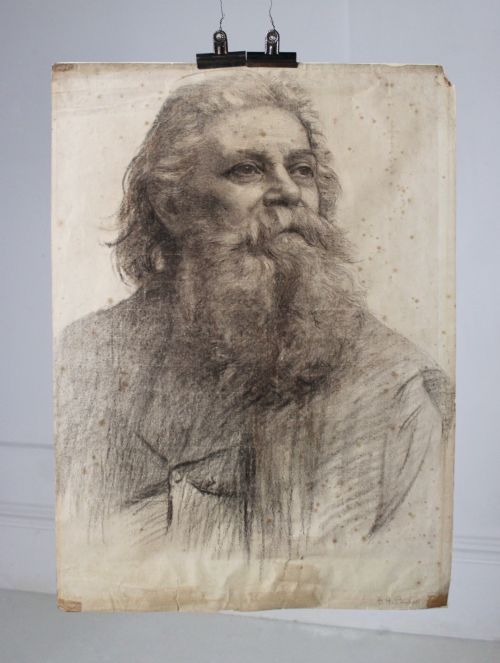
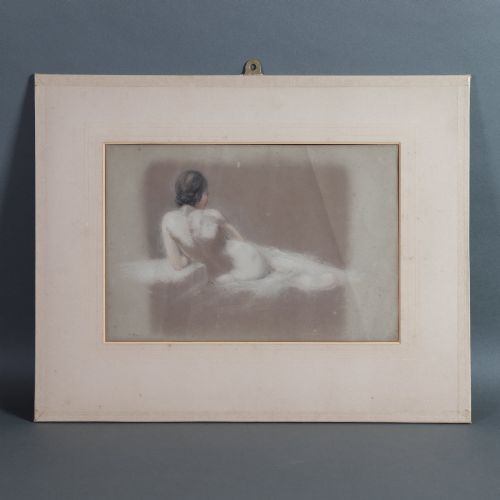
A chalk study on paper serves as a fundamental record of artistic observation, ranging from rapid compositional notes to highly finished portrait drawings. Buyers encountering these works will find original sketches executed across multiple centuries, capturing figures, classical subjects, and quiet domestic moments.
The material surface frequently includes toned paper, providing a mid-tone ground that allows artists to build both deep shadows and bright highlights rapidly. Examples span from seventeenth-century Italian sheets to twentieth-century avant-garde compositions, reflecting shifts in academic training and modernist experimentation.
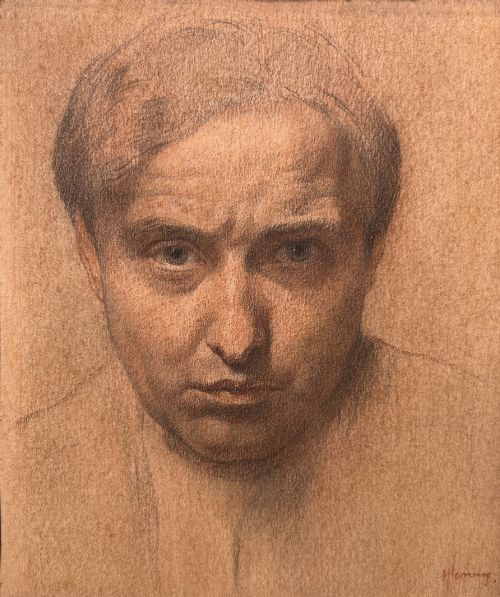
Portrait drawings and figural studies dominate the selection, often preserved behind glass in period frames. These pieces offer direct insight into the working methods of academic painters, regional schools, and named artists alike.
Materials and Technique
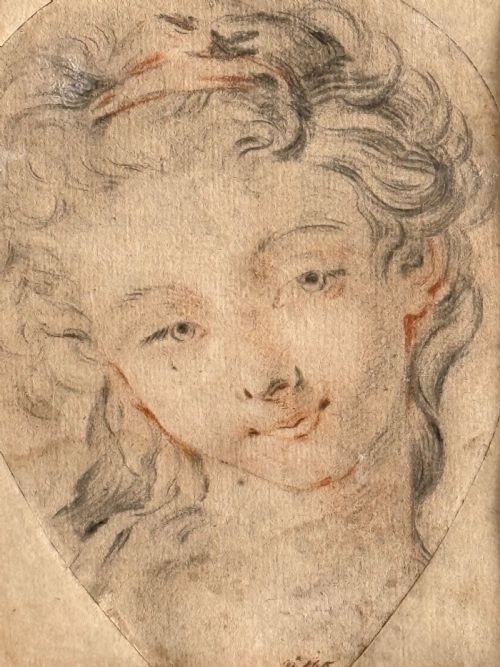
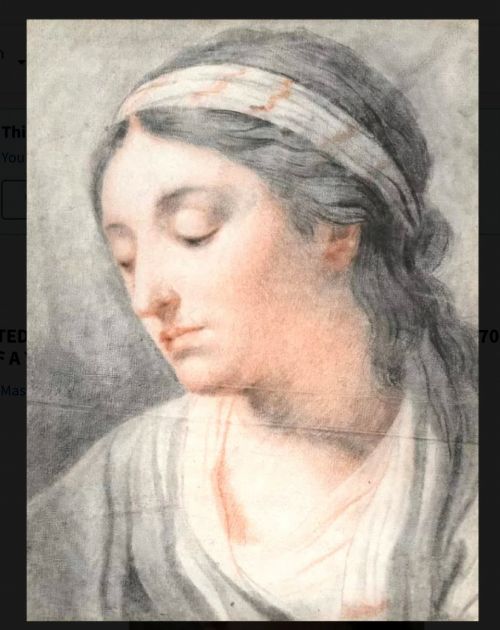
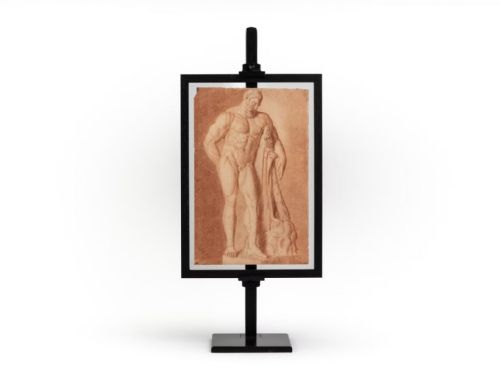
Draftsmen utilise natural chalk, charcoal, and graphite on varied paper substrates, often combining media in what is known as deux crayon or mixed media techniques. Red chalk, or sanguine, provides a warm, expressive tone favoured by eighteenth-century French and Italian schools for rendering flesh and drapery.
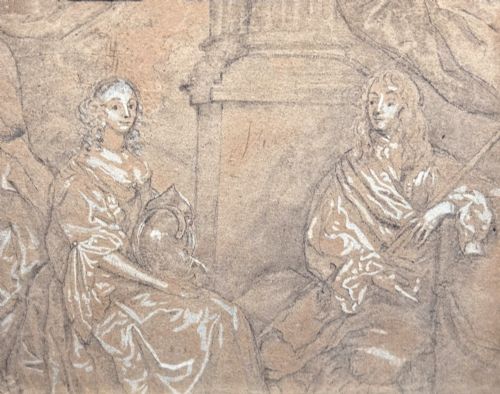
Toned or watermarked paper adds structural depth to the composition, interacting directly with white chalk highlights and dark charcoal lines. The tactile nature of these works relies entirely on the tooth of the paper and the binder-free friction of dry drawing materials.
Distinguishing Quality in Works on Paper
The hierarchy of quality rests upon the vigour of the line, anatomical assurance, and the preservation of the delicate dry medium against the paper surface. Superior sheets demonstrate confident, economy of stroke where every mark contributes to form and volume without hesitation.
Condition plays a vital role, distinguishing works that retain their original tonal contrast from those faded by light or damaged by acidic mounts. The sophistication of the handling, particularly in capturing light across a sitter's face or the folds of a garment, elevates a standard sketch to a master drawing.
William Etty·Francois Boucher·Peter Lely·Jacques Bellange·Demetrios Galanis·John Hoppner·George Richmond·Frank Dobson
The Chalk Study on Paper Glossary
- Sanguine
- Red chalk used for drawing, prized for its warm flesh tones and expressive qualities. It was widely adopted by European draftsmen from the Renaissance through the eighteenth century.
- Deux crayon
- A drawing technique utilising two colours of chalk, typically black and red, often on tinted paper to achieve tonal range and highlights. This method was central to academic figure studies.
- Recto and verso
- The front and back of a sheet of paper respectively. Drawings are occasionally found executed on both sides when paper was scarce or used as a working pad.
- Watermark
- A faint design impressed in paper during manufacture, visible when held to the light. It helps historians date and localise the paper stock.
- Toned paper
- Paper manufactured or prepared with a neutral or coloured tint rather than a stark white finish. This allows artists to work upwards with white highlights and downwards with dark chalk.
Chalk Study on Paper: Frequently Asked Questions
How should I frame a chalk study?
Chalk and pastel drawings require conservation framing with UV-protective glass to prevent fading and degradation of the dry pigments. The glass must be spaced away from the paper surface to ensure the delicate medium does not touch the glazing.
Acid-free mounts and backing boards protect the paper from chemical discolouration over time. Keeping these works away from direct sunlight preserves the original contrast of the chalk on paper.
What is the difference between a study and a finished drawing?
A study is typically an exploratory or preparatory work focusing on a specific figure, hand, or composition before execution in oil paint. These sheets often show visible corrections, grid lines, or rapid hatching.
Finished drawings are executed as independent works of art intended for display or sale. They generally exhibit a higher degree of polish and detail across the entire sheet.
Why use toned paper for drawing?
Toned paper provides a middle grey or brown value that saves the artist from having to shade the entire background. This allows for rapid tonal sketching.
Artists can apply dark chalk for shadows and white chalk for highlights simultaneously. This creates a three-dimensional illusion of light and form much faster than working on a blank white sheet.
How do I identify red chalk drawings?
Red chalk, or sanguine, has a distinctive iron oxide composition that yields a warm reddish-brown hue. It produces a soft, powdery mark that responds well to smudging or hatching.
Historically associated with French and Italian portraiture, red chalk drawings often depict classical figures or preparatory head studies. Under magnification, the granular texture of the mineral sitting in the paper fibres remains visible.