



Ceylon Yellow Sapphire
These ceylon yellow sapphire pieces bring exceptional brilliance and depth, drawing collectors who value unheated stones and classic cluster or solitaire settings.
Ceylon Yellow Sapphire
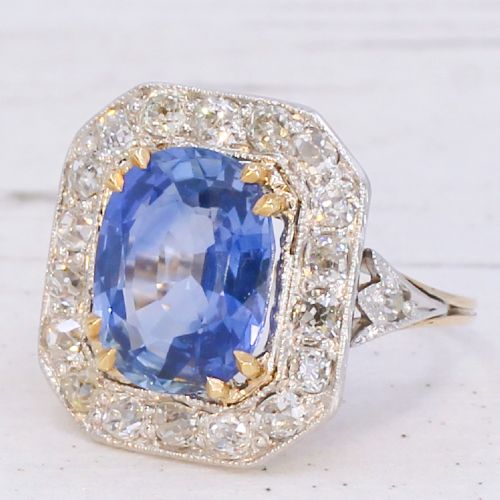
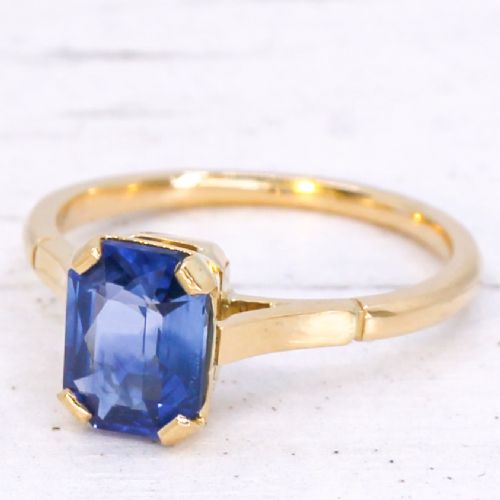
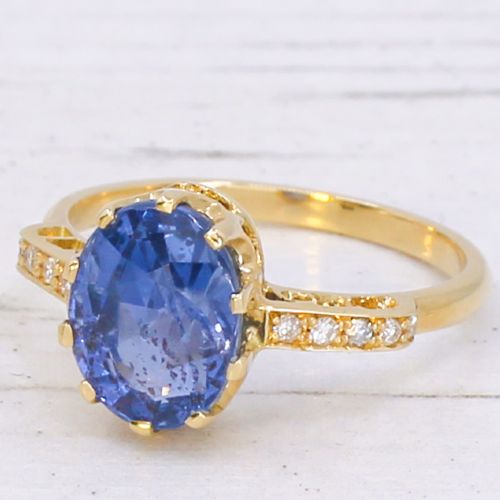
When you search for ceylon yellow sapphire, you find striking rings and bracelets that showcase distinct gemmological origins. The pieces on this page span the Victorian, Edwardian, Art Deco, and Mid-Century periods, offering diverse design languages from different decades.
Rings form the vast majority of the inventory, appearing frequently as solitaire, cluster, trilogy, and cocktail configurations. Bracelets also appear occasionally, featuring natural stones paired with gold or platinum settings.
Materials and Construction
These items utilise precious metals including yellow gold, 18ct yellow gold, 18ct white gold, and platinum to secure the gemstones. Settings often incorporate diamond accents alongside the central stones to enhance visual contrast and light return.
Craftsmanship reflects the prevailing aesthetic of each era, ranging from intricate Edwardian and Victorian cluster work to clean Mid-Century Modern lines. The stones themselves are selected for natural colouration, with several examples specifically noted as unheated.
Ceylon Yellow Sapphire Retail Price Guide 2026
Typical asking prices for ceylon yellow sapphire among the pieces listed under this phrase on Sellingantiques today, from the lower quarter to the upper quarter. They describe what is for sale here now, not the wider market.
Several pieces skip the usual solitaire route entirely, letting a bright yellow stone share the spotlight with pearls and diamonds.
Factors That Distinguish Quality
Quality rests principally on the saturation, clarity, and carat weight of the gemstone itself, alongside any treatment status. Unheated stones and larger carat weights naturally command greater interest among collectors.
The precision of the metalwork and the integration of supporting diamonds also dictate overall merit. Period authenticity and the integrity of the original settings complete the evaluation of each piece.
The Ceylon Yellow Sapphire Glossary
- Cluster ring
- A ring featuring a central gemstone surrounded by a halo of smaller stones, typically diamonds. This style maximises overall visual presence and sparkle.
- Unheated
- A gemstone that has undergone no thermal enhancement to improve its natural colour or clarity. Such stones are prized by purists and collectors.
- Solitaire
- A jewellery design featuring a single primary gemstone set alone on the band. This configuration highlights the pure qualities of the main stone.
- Trilogy ring
- A ring set with three stones, often symbolising past, present, and future. In period pieces, these stones are frequently graduated in size.
- Platinum
- A dense, durable, and strong white metal used extensively in Edwardian and Art Deco jewellery. Its strength allows for delicate claw and bezel settings.
Ceylon Yellow Sapphire: Frequently Asked Questions
What defines a ceylon yellow sapphire?
A ceylon yellow sapphire originates from the mines of Sri Lanka, historically known as Ceylon. These gems are recognised for their particular brightness and distinct yellow hues.
Such stones appear across multiple decades of jewellery design, mounted in gold or platinum settings alongside diamonds or pearls.
How do I care for my ring?
Care requires gentle cleaning with warm soapy water and a soft brush to remove everyday oils from the stone and setting. Regular inspection by a professional jeweller ensures the claws remain secure.
Avoid wearing precious rings during heavy manual tasks to protect both the metal band and the gemstone from impact.
Are these stones treated?
Many stones in these pieces are described as natural and unheated, meaning they retain their earth-formed characteristics without artificial enhancement. Laboratory certificates often accompany such stones to verify their origin and treatment status.
Collectors generally favour unheated examples for their rarity and untouched geological history.
How can I tell the period?
Dating relies on stylistic markers, metal choices, and gemstone cut techniques characteristic of eras like Victorian, Edwardian, Art Deco, or Mid-Century. Edwardian pieces often utilise platinum and delicate millegrain work, whereas Mid-Century designs favour bolder geometric lines.
Examining the construction methods on the reverse of the piece reveals further clues regarding its age and origin.