

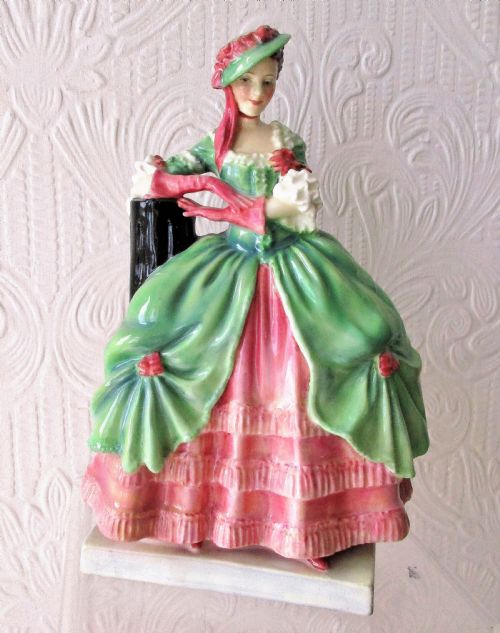


Ceramic Woman Statue
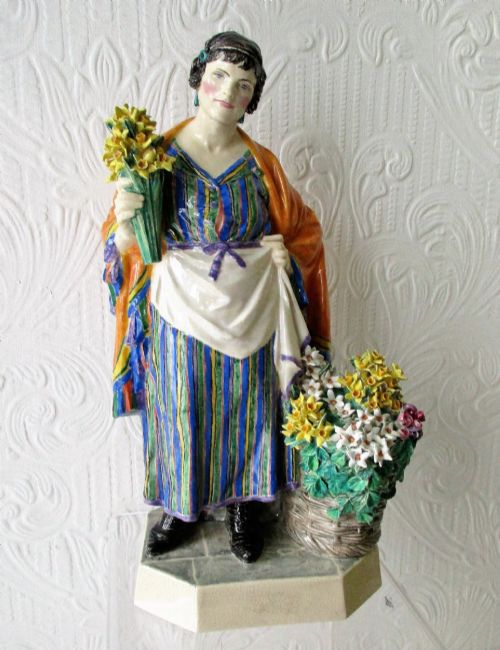
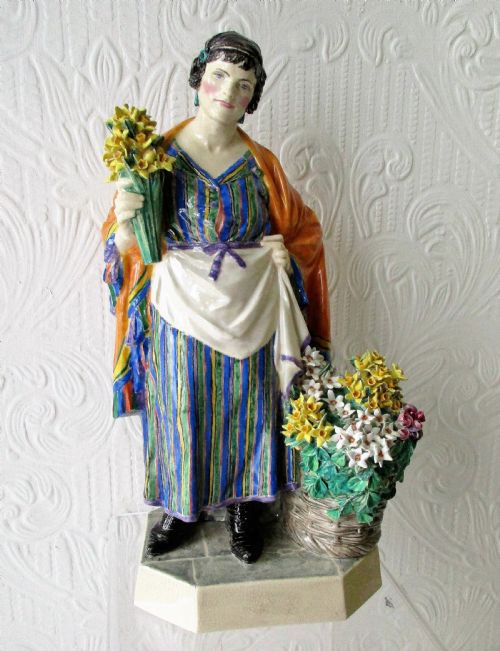
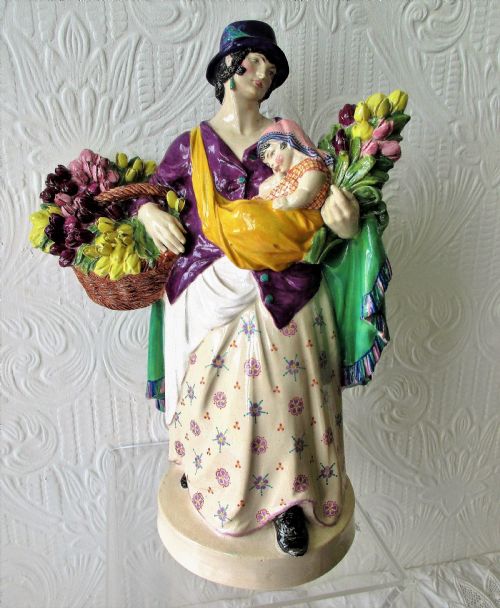
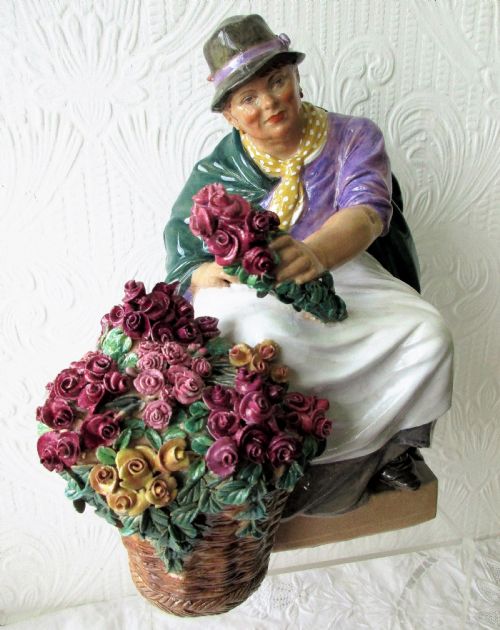
These ceramic woman statue pieces range from Edwardian porcelain to Art Deco figurines, offering expressive character for display.
Ceramic Woman Statue
A ceramic woman statue encompasses figurines, decorative sculptures, and busts produced across the nineteenth and twentieth centuries. Buyers seeking these works encounter everything from delicate bone china dancers to robust earthenware studies.
The selections span distinct periods including the Victorian era, Art Nouveau, and the 1930s, reflecting changing aesthetic ideals. English studio pottery and continental porcelain factories both contributed significantly to this sculptural tradition.
How they were made
Makers utilised traditional porcelain, earthenware, terracotta, and bone china, shaping the clay by hand or casting it in moulds. Surface decoration frequently involved hand-applied glaze, enamel, and occasional touches of gold leaf or gilt.
Terracotta busts often received a bronzed finish to emulate cast metal, whilst finer porcelain figures required precise kiln firing to set delicate facial expressions and intricate drapery.
Ceramic Woman Statue Retail Price Guide 2026
Typical asking prices for ceramic woman statue among the pieces listed under this phrase on Sellingantiques today, from the lower quarter to the upper quarter. They describe what is for sale here now, not the wider market.
Listings feature works from the 19th Century, Edwardian period, and the 1920s to 1940s, executed in porcelain, terracotta, and bone china.
What varies in quality
Artistry in sculptural form separates standard decorative wares from exceptional studio pieces, particularly where the movement of garments and posture appears natural rather than rigid.
Charles Vyse·Royal Doulton·Royal Worcester·Meissen·Royal Copenhagen·Ernst Wahliss·Samson France·Royal Dux
The Ceramic Woman Statue Glossary
- Terracotta
- A porous red-brown earthenware used for unglazed or glazed sculptures and architectural ornaments. It provides a warm, earthy medium well suited to classical busts.
- Parian ware
- A fine-grained unglazed porcelain developed in the nineteenth century to imitate white marble. Figures cast in this material exhibit a smooth, matte finish resembling carved stone.
- Bone china
- A type of soft-paste porcelain incorporating bone ash for added strength and translucency. It allows for thin, delicate modelling in detailed figurine work.
- Okimono
- A Japanese decorative ornament intended for display in a household alcove or shelf. These carved or modelled figures frequently depict traditional figures and historical personages.
- Enamel
- A decorative glass-like substance fused to the surface of ceramics through firing. It provides vibrant, permanent colour to costumes and decorative details.
Ceramic Woman Statue: Frequently Asked Questions
How do I identify an Art Nouveau figure?
Art Nouveau figures typically exhibit flowing organic lines, stylised hair, and drapery that mimics natural plant forms. These pieces often date from the late nineteenth or early twentieth centuries and emphasise graceful movement.
Look for motifs inspired by nature, such as scarves caught in the wind or trailing floral elements, which distinguish this style from stricter classical designs.
Where were these ceramic figures displayed?
These decorative statues were primarily used as mantelpiece ornaments, cabinet displays, and table centerpieces in nineteenth and twentieth-century homes. They served to showcase the refined taste of the owner.
Larger busts and sculptures were often placed on pedestals or dedicated display tables in drawing rooms and studies.
What is the difference between porcelain and earthenware?
Porcelain is fired at much higher temperatures, resulting in a dense, vitrified body that is often translucent and non-porous. Earthenware is fired at lower temperatures, producing a more porous and opaque material.
Figures made from porcelain generally allow for finer detail and crisper moulding than their earthenware counterparts.
How should I care for antique ceramic figures?
Keep ceramic statues out of direct sunlight to prevent fading on enamelled and painted surfaces. Dust them gently with a soft, dry brush rather than using wet cloths, especially on unglazed areas like terracotta or parian ware.
Ensure they are placed on stable surfaces away from high-traffic edges to protect delicate extremities like fingers and extended drapery.