




Ceramic Wall Hanging
These ceramic wall hanging pieces bring rich colour and history straight to your interior space.
Ceramic Wall Hanging
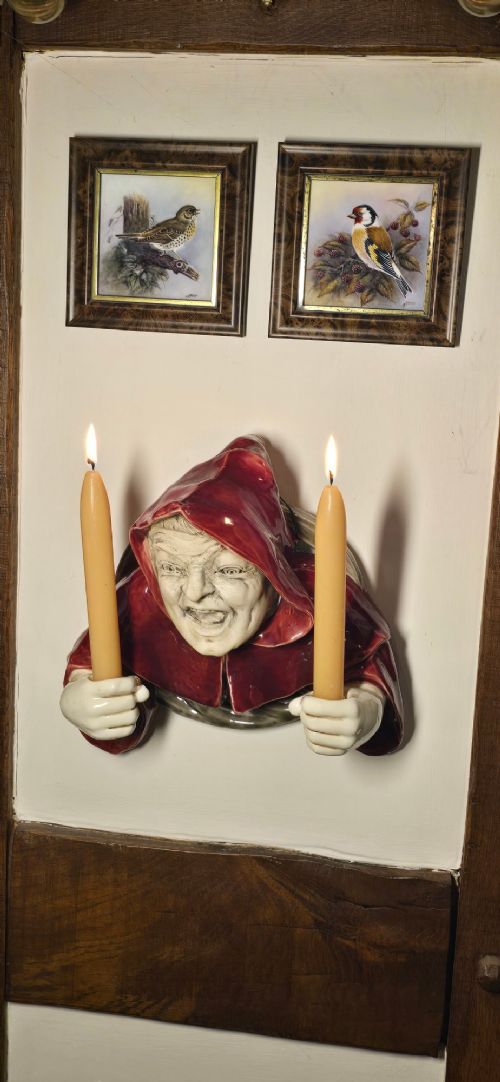
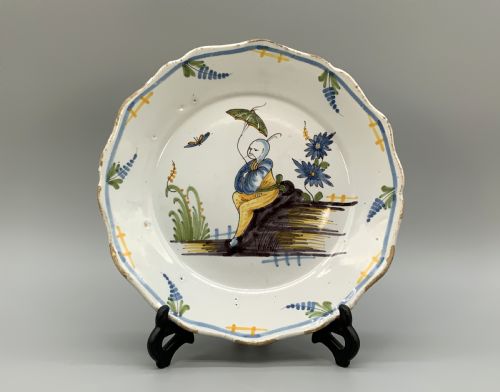
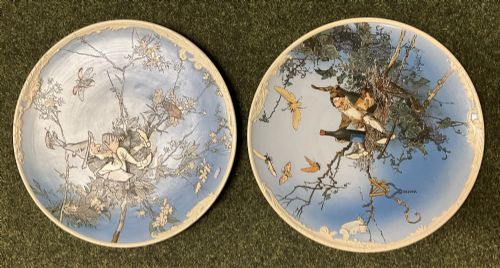
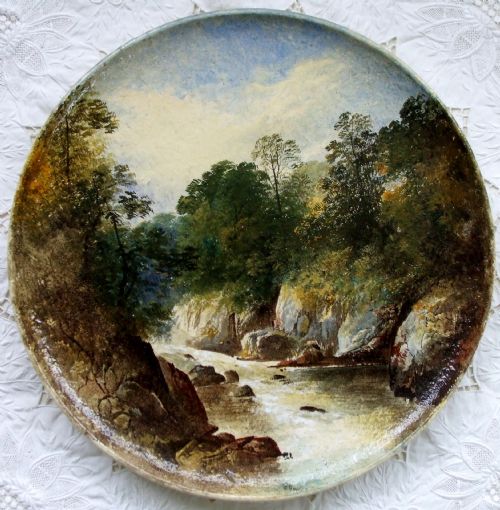
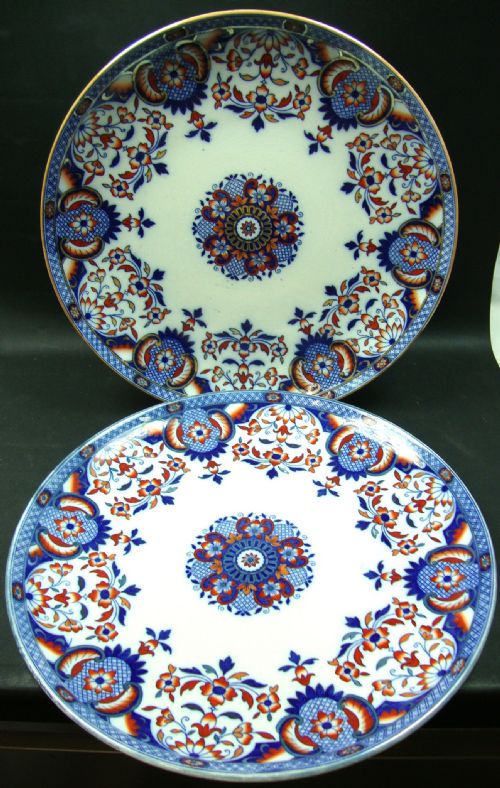
A ceramic wall hanging selection brings together decorative plates, chargers, plaques, and sconces designed specifically for vertical display. When you search for ceramic wall hanging, you encounter diverse forms ranging from large chargers to small cat wall pockets.
The objects span multiple centuries, capturing domestic and decorative tastes from the eighteenth century through to the early twentieth century. Dutch Delft, Japanese Imari, and English pottery appear frequently across the selection.
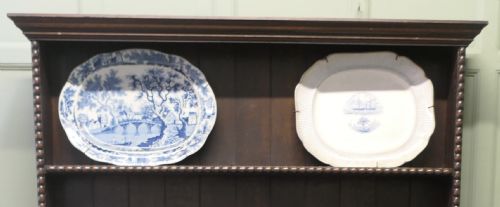
Most examples function primarily as visual ornaments rather than utilitarian tableware. Their makers intended them to catch the eye on panelled walls, within plate racks, or mounted securely as standalone plaques.
Materials and Construction
Potters utilised earthenware, stoneware, and porcelain as foundational bodies for these wall pieces. Tin glaze, enamel, and standard ceramic glazes provide the smooth, protective outer surfaces essential for holding painted pigment.
Firing techniques varied according to the origin, resulting in robust heavy chargers or delicate porcelain plaques. Pigments applied under or over the glaze created enduring blue and white designs or vibrant polychrome and manganese highlights.
Ceramic Wall Hanging Retail Price Guide 2026
Typical asking prices for ceramic wall hanging among the pieces listed under this phrase on Sellingantiques today, from the lower quarter to the upper quarter. They describe what is for sale here now, not the wider market.
Listings feature periods spanning from 1700 through to the 1920s, incorporating earthenware, porcelain, and tin glaze.
Assessing Quality and Execution
The precision of the painted decoration dictates the upper echelon of these pieces, distinguishing swift commercial output from careful artistic execution. Finer examples display crisp detail in foliate borders, Chinoiserie scenes, and hand-painted landscapes.
Subtleties in the glaze application and the clarity of the kiln firing separate standard production items from superior works. Weight, balance, and the preservation of original pigments over centuries remain strong indicators of high standard.
The Ceramic Wall Hanging Glossary
- Charger
- A large decorative plate or dish intended primarily for display rather than dining use. These items form a substantial portion of wall-mounted ceramics.
- Tin Glaze
- An opaque white lead glaze containing tin oxide, providing a smooth surface for painting in the manner of Delftware and Faience. This technique supports vibrant polychrome or blue and white motifs.
- Imari Ware
- Japanese export porcelain and pottery featuring characteristic blue, iron red, and gilt decoration. European potteries frequently copied these distinctive patterns during the nineteenth century.
- Wall Pocket
- A hollow ceramic vessel designed to hang flat against a wall, often holding dried flowers or greenery. Examples include figural forms such as pottery cats.
Ceramic Wall Hanging: Frequently Asked Questions
How do I hang a heavy ceramic charger safely?
Heavy chargers and plaques require professional spring-loaded brass wall hangers that distribute the weight evenly across the rim. Ensure the fixing engages securely into brickwork or a wall stud rather than relying solely on plasterboard.
Avoid using adhesive disc hangers attached directly to the unglazed footring or reverse. Inspect the wire and fixings annually to guarantee the safety of the piece.
What is the difference between Delft and Faience?
Delft specifically refers to tin-glazed earthenware produced in the town of Delft in the Netherlands, renowned for its blue and white or polychrome Chinoiserie styles. Faience is the broader continental European term for similar tin-glazed pottery made in France, Germany, and beyond.
Both employ a porous clay body covered in an opaque white glaze, but regional painting hands and palette choices help specialists separate Dutch production from French or German counterparts.
How do I date an antique wall plaque?
Dating relies heavily on observing the characteristics of the clay body, the composition of the glaze, and the pigment style used in the painting. Maker marks, impressed numbers, and registration stamps stamped into the reverse pottery surface also provide clear chronological markers.
Comparing brushwork techniques against known period pieces helps narrow down production to eras like the Victorian period or the eighteenth century.