

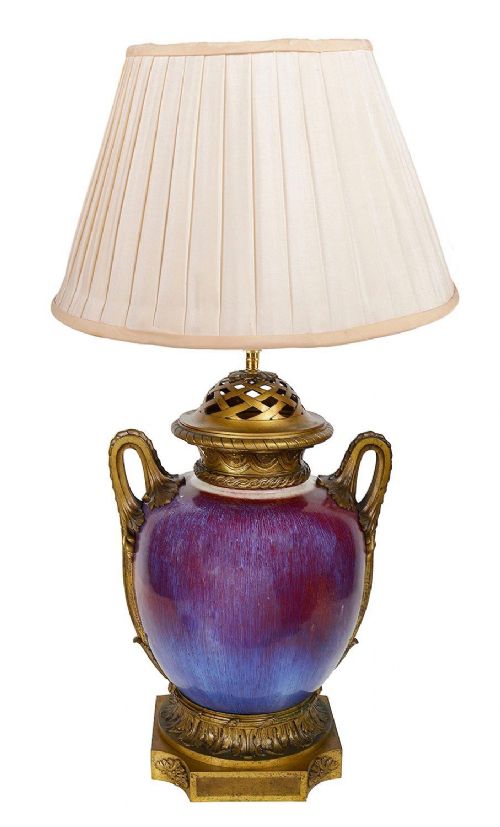


Ceramic Vase Table Lamps
Ceramic vase table lamps transform antique vessels into functional domestic lighting through thoughtful conversion.
Ceramic Vase Table Lamps
Ceramic vase table lamps combine historical vessel bodies with electrical fittings to create practical illumination for rooms. Buyers seeking ceramic vase table lamps encounter converted items originating from various Asian and European traditions.
The selections span centuries of pottery and porcelain production, transformed into lighting fixtures during later eras. Many examples utilise oriental porcelain forms paired with metal mounts or wiring.
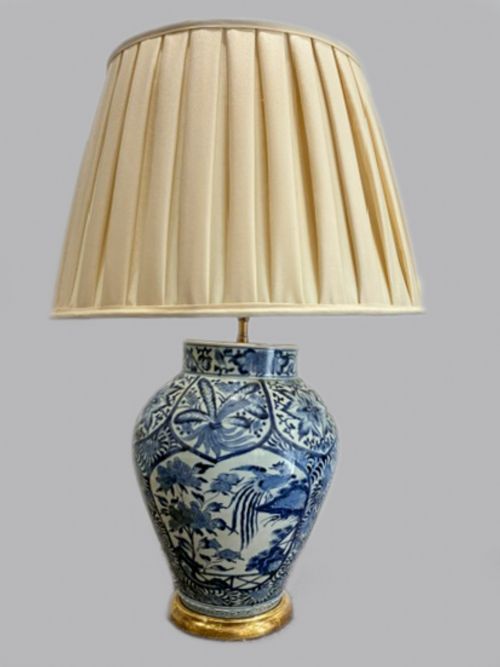
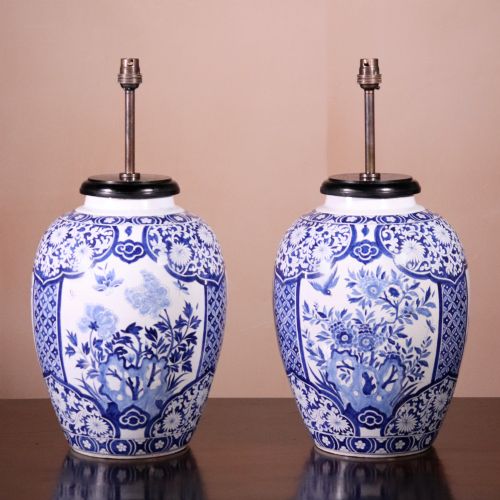
Common variations include blue and white designs, polychrome enamel palettes, and crackleware finishes mounted as table lamps. These pieces bridge decorative arts and functional household utility.
Materials and construction methods
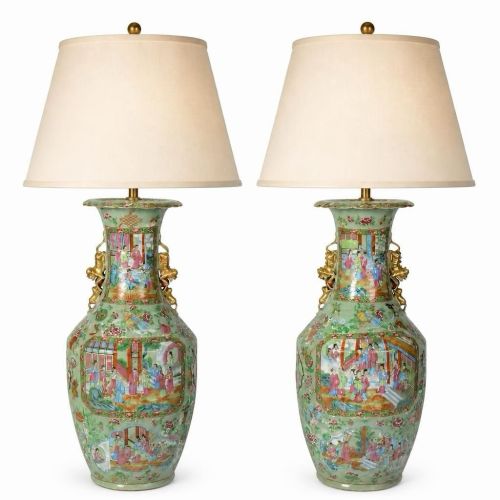
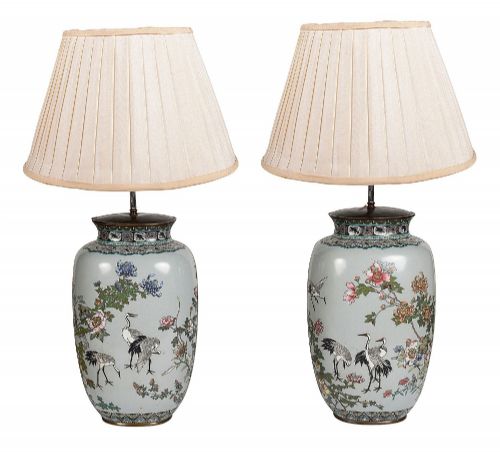
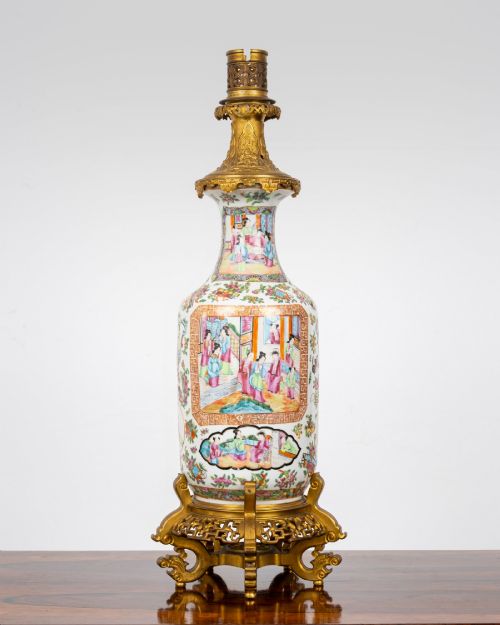
Makers utilised ceramic bodies such as porcelain, earthenware, and ironstone, often formed as jars, ginger jars, or traditional vases. These vessels frequently received hand-painted glazes, including famille rose, famille verte, and celadon colourways.
Metalwork components like gilt bronze, ormolu, and brass were integrated as bases, collars, and mounts to secure the electrical hardware. Fabric and silk shades complete the standard construction seen across the inventory.
Listings feature ceramic vase table lamps utilising materials such as porcelain, earthenware, brass, and silk across multiple centuries.
Assessing quality in conversions
Quality rests primarily on the integrity and age of the underlying ceramic vessel rather than the electrical components alone. Superior examples display finely hand-painted decoration, well-preserved glazes, and substantial proportions.
The mounting work dictates the structural success of the piece, with skilful metal mounts that respect the original ceramic body without causing damage. Pairs demonstrate greater decorative impact and consistency in hand-finished details.
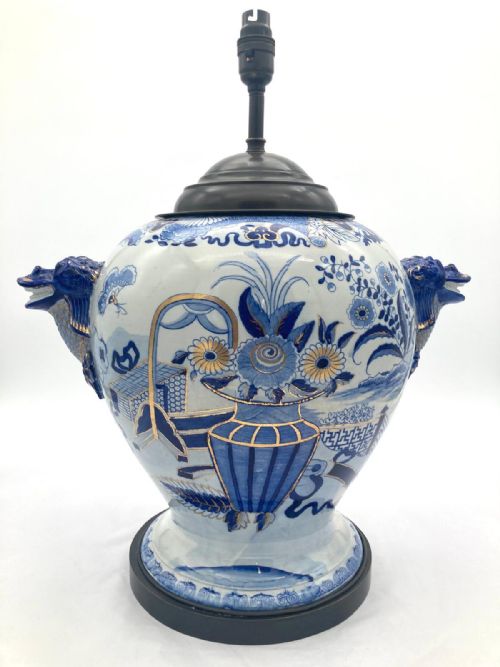
Hicks and Meigh
The Ceramic Vase Table Lamps Glossary
- Celadon
- A pale green jade-like glaze originating from East Asian kilns. This finish is frequently observed on large nineteenth-century vessels.
- Famille Rose
- A palette of opaque enamels dominated by pink or rose colours, popular in Chinese porcelain decoration. Pieces in this style often feature floral or figurative scenes.
- Ormolu
- Gilt bronze mounts applied to furniture and ceramic objects for decorative support. These metal additions often frame the base and neck of converted lamps.
- Satsuma
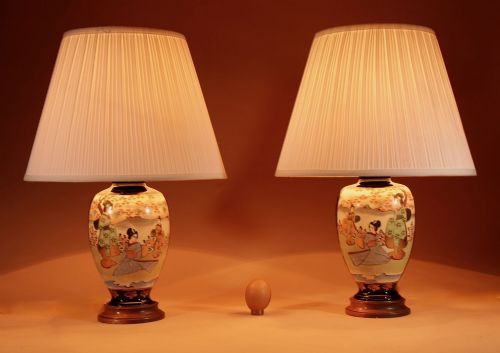
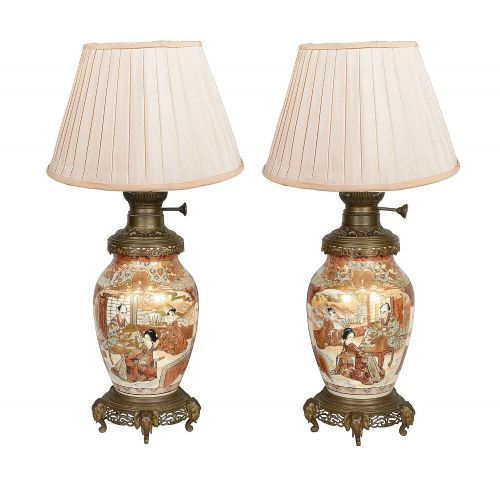
- Japanese earthenware pottery characterised by a ivory craquelure glaze and polychrome enamel designs. These wares frequently appear in nineteenth and early twentieth-century lighting pairings.
Ceramic Vase Table Lamps: Frequently Asked Questions
How are vase lamps wired?
Most converted lamps utilise standard electrical cord run through the central axis or fitted externally with appropriate brass hardware. Rewiring is common to meet modern safety standards while retaining the antique vessel.
Professional conversion protects the ceramic body from stress, ensuring the lamp remains stable on tables and desks.
Can antique vases be reversed?
Reversing a conversion depends heavily on how the original drill holes or metal mounts were secured to the ceramic. Most collectors leave the pieces as lamps due to the historical nature of the adaptation.
Removing mounts risks damaging the glaze and fabric of the antique vessel, so careful consideration is advised.
How do I clean ceramic lamps?
Dust the ceramic body gently with a soft dry cloth to prevent accumulation within painted recesses and crackleware lines. Avoid harsh chemical cleaners that might affect older glazes or metal ormolu mounts.
Fabric shades should be brushed lightly or vacuumed with a low-suction attachment.
Are these lamps sold as pairs?
Many listings feature matched pairs of lamps created from symmetrical antique vases or jars. Pairs offer balanced lighting for sideboards, mantels, and large tables.
Single lamp options also appear across the inventory for smaller spaces.