



Ceramic Temple Lion
Ceramic temple lion sculptures are striking guardian figures drawn from Chinese and Japanese traditions, sought after for their bold presence and rich historic character.
Ceramic Temple Lion
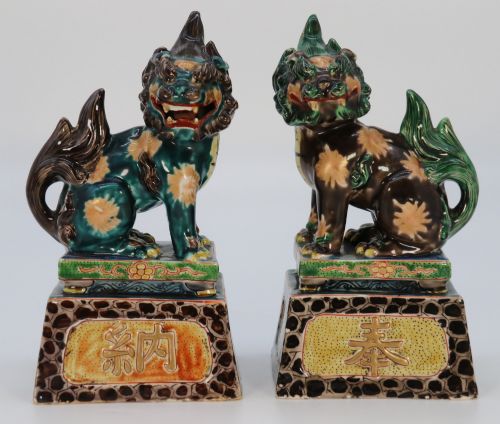
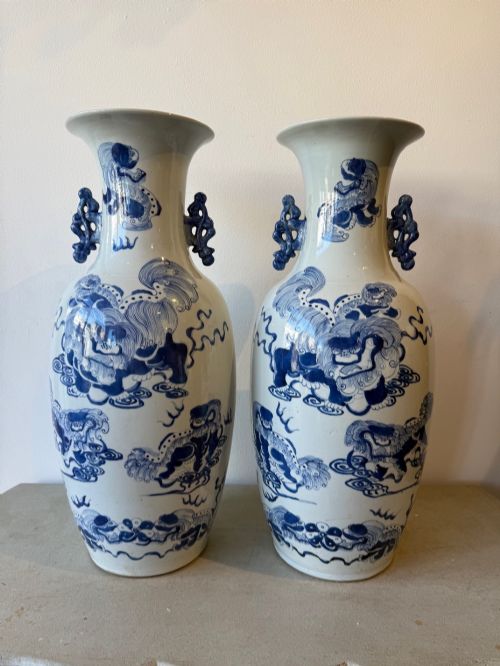
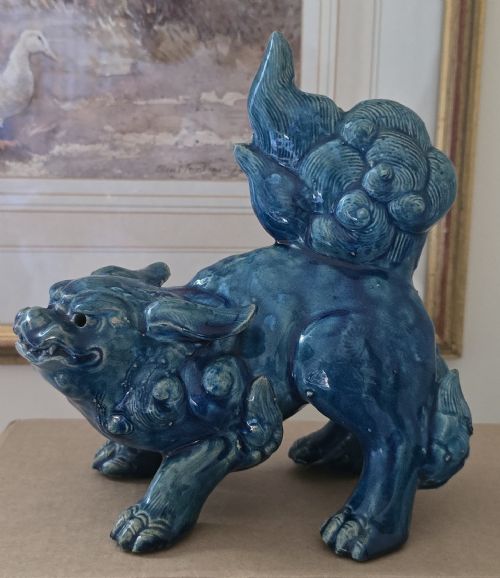
When you search for ceramic temple lion pieces, you encounter formidable guardian figures designed to protect sacred spaces and traditional interiors. These protective beasts appear in forms ranging from spirited Buddhist lion dogs to detailed decorative sculptures and lidded vases.
The selections available here lean heavily towards nineteenth-century examples originating from China and Japan. You will find items attributed to the Qing Dynasty, the Meiji Period, and the transitional Edo-Meiji era, reflecting distinct East Asian artistic traditions.
Most entries on this page consist of matched pairs or individual sculptural figures rendered in blue and white, turquoise glaze, and pale green celadon tones. Alongside traditional guardian lions, the offerings include related vessel forms such as Delft and Imari vases.
How they were made
Artisans shaped these figures using porcelain, earthenware, and heavy pottery, applying traditional moulding and hand-modelling techniques. The resulting bodies provide a sturdy foundation for the intricate surface ornamentation characteristic of these guardian animals.
Makers finished the pieces with specialised glazes including tin glaze, enamel, and gold leaf highlights. Firing processes varied from high-fired Chinese porcelain to lower-fired Japanese earthenware, yielding diverse surface textures and depths of colour.
Ceramic Temple Lion Retail Price Guide 2026
Typical asking prices for ceramic temple lion among the pieces listed under this phrase on Sellingantiques today, from the lower quarter to the upper quarter. They describe what is for sale here now, not the wider market.
Listings feature nineteenth-century items utilising porcelain, earthenware, and glaze across Qing Dynasty and Meiji period styles.
What varies in quality
The richness of the glaze application and the clarity of the enamelling separate standard production pieces from superior works. Fine nineteenth-century specimens display deliberate control over crackle, tone, and surface detail without losing the sculptural definition of the beast.
The Ceramic Temple Lion Glossary
- Shishi
- A traditional Japanese guardian lion derived from Chinese Buddhist tradition. These mythical beasts symbolize protection and power.
- Foo Dog
- A common Western term for Chinese guardian lions, also known as Buddhist lion dogs. They typically appear in pairs guarding entrances.
- Imari
- A style of Japanese export porcelain characterised by underglaze blue and overglaze iron red, gold, and green. This ware gained immense popularity in Europe during the nineteenth century.
- Celadon
- A term for pottery denoting both wares glazed in jade green and the green glaze itself. The colour mimics the prized appearance of natural jade.
- Delftware
- Tin-glazed earthenware produced in the Netherlands, often imitating Chinese blue and white porcelain. It utilises an opaque white glaze to receive cobalt blue painting.
Ceramic Temple Lion: Frequently Asked Questions
Were these lions used outdoors?
Most ceramic and porcelain temple lions were created for interior display rather than harsh outdoor environments. Their glazed finishes and delicate earthenware bodies made them better suited for domestic halls, temples, and protected courtyards.
Placing them inside preserved the fine enamels, gold leaf details, and intricate modelling from weather damage over the centuries.
Why are they often found in pairs?
Guardian lions traditionally operate as a pair to maintain a balanced protective force around a doorway or altar space. One figure typically represents the female with a cub, while the other is the male holding a brocade ball.
Matching pairs documented on this page reflect this ancient architectural custom of balanced dual protection.
How do I distinguish Chinese from Japanese pieces?
Chinese guardian lions, often termed Foo Dogs, tend to feature robust potting and distinct glaze traditions such as pale green celadon or vibrant enamels. Japanese examples like the Shishi or Karashishi often display specific regional aesthetics tied to the Meiji period.
Examining the underlying ceramic body, potting style, and palette helps clarify the geographic origin of each sculpture.