



Ceramic Tea Ware
Ceramic tea ware brings together centuries of vessels for brewing and serving, offering practical charm and varied global artistry.
Ceramic Tea Ware
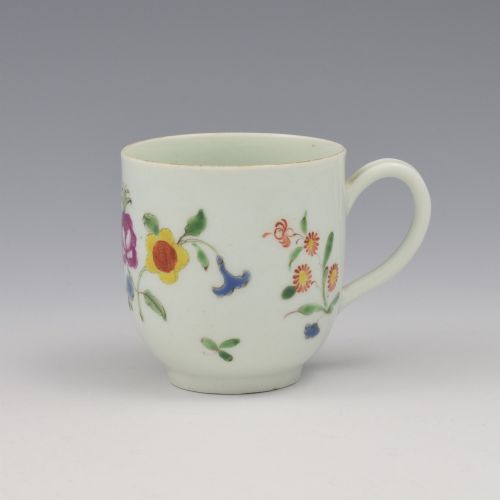
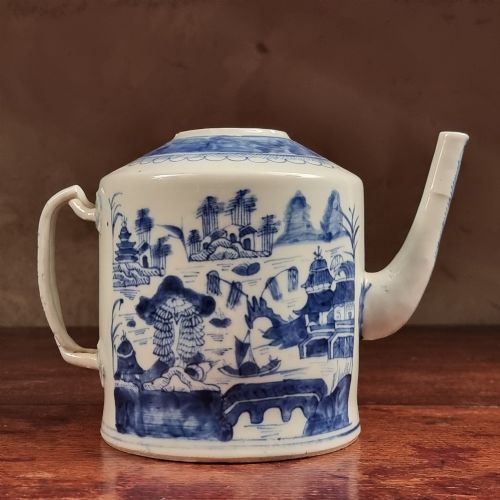
Ceramic tea ware encompasses functional vessels designed for preparing and serving tea, ranging from everyday service pieces to decorative display items. When exploring ceramic tea ware, buyers encounter diverse forms such as teapots, teacups and saucers, coffee cups, tea caddies, biscuit barrels, bowls, and decorative trays.
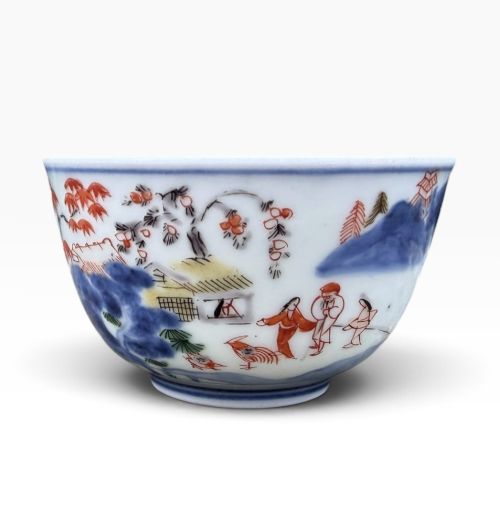
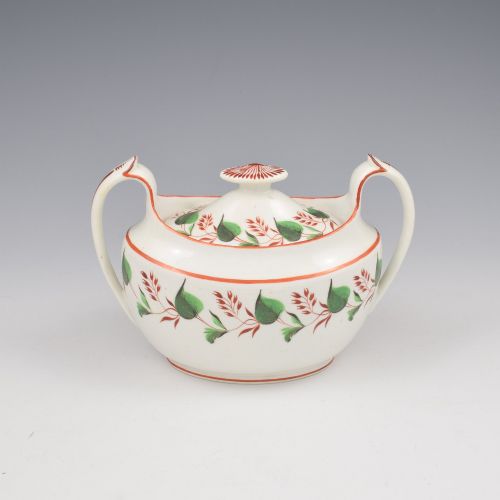
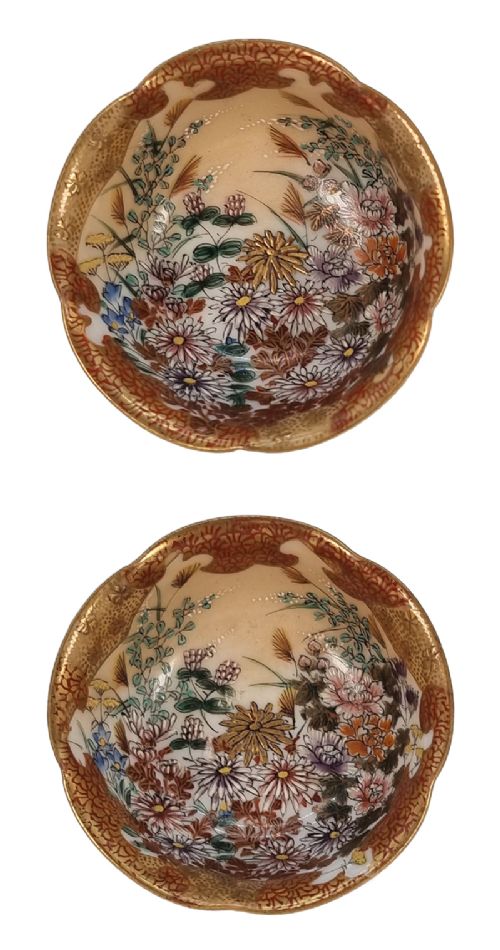
The pieces span multiple centuries and international traditions, including 18th Century English porcelain, Chinese Export porcelain, and Japanese Satsuma, Kutani, and Sumida Gawa wares. Victorian folk art bargeware and Edwardian productions also feature heavily among the available domestic items.
Domestic English items sit alongside imported Asian pieces, reflecting shifting social habits across the Georgian, Victorian, and Edwardian eras. Buyers frequently meet teapots and tea services carrying rich cobalt glazes, enamel decoration, or intricate hand-painted motifs.
How they were made
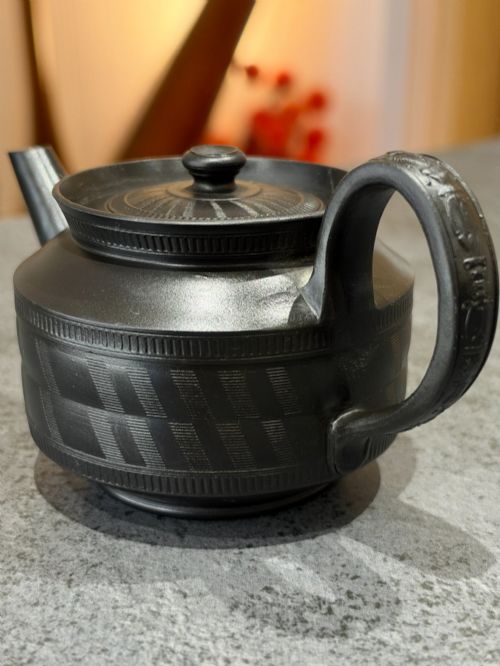
Potters shaped ceramic tea ware using earthenware, porcelain, pearlware, and glazed stoneware, applying techniques suited to each body type. Delicate pieces required fine porcelain clays, while robust vessels relied on sturdy earthenware or dense stoneware.
Makers enriched surfaces with cobalt glaze, enamel colours, and applied gold leaf or gilding to create detailed pictorial and abstract patterns. Hand-painted scenes, transfer printing, and applied sculptural figures further defined the visual character of these tea pieces.
Ceramic Tea Ware Retail Price Guide 2026
Typical asking prices for ceramic tea ware among the pieces listed under this phrase on Sellingantiques today, from the lower quarter to the upper quarter. They describe what is for sale here now, not the wider market.
Bargeware teapots are so generously proportioned they look entirely ready to host a family of canal boaters.
What varies in quality
Quality in ceramic tea ware reveals itself in the precision of the form, the finesse of the painting, and the clarity of the glaze. Master potters achieved sharper relief, more balanced proportions, and finer detail in brushwork compared to mass-produced alternatives.
The sophistication of the decorative programme, whether delicate hand-painted Rakan figures, intricate floral gilt enamelling, or crisp transfer printing, elevates individual vessels. The survival of fragile elements like applied sage figures and gold leaf also distinguishes superior examples.
Richard Chaffers·Copeland Spode·Ishiguro Kōko·Tokyo Taizan·Carlton Ware·William Moorcroft·Macintyre·Sutherland Ware·Taniguchi·Wedgwood
The Ceramic Tea Ware Glossary
- Porcelain
- A hard, fine-grained ceramic material fired at high temperatures until vitrified, known for its translucency and ringing tone when struck. English and Asian makers utilised porcelain to create delicate teacups and service pieces.
- Earthenware
- A porous, opaque ceramic body fired at lower temperatures, commonly used for robust domestic items like Victorian bargeware teapots. Glazing renders the surface waterproof and suitable for holding liquids.
- Enamel
- Opaque vitreous material applied to ceramic surfaces and fired to produce vibrant, lasting colours. Enamel decoration adds rich pictorial detail to Satsuma and export wares.
- Pearlware
- An refined earthenware developed in the late eighteenth century featuring a subtle bluish glaze that pooled in recesses to mimic Chinese porcelain. English potteries used pearlware extensively for tea wares and spoon trays.
- Cobalt glaze
- A deep blue metallic oxide pigment applied under or over the glaze to produce rich tonal decoration. It remains stable at high kiln temperatures, making it ideal for classic blue-printed designs.
- Biscuit barrel
- A covered ceramic container used in nineteenth-century parlours to store dry biscuits or wafers during tea service. These lidded vessels often incorporated metal mounts and elaborate painted or moulded decoration.
Ceramic Tea Ware: Frequently Asked Questions
What periods are common for ceramic tea ware?
The listings span from the eighteenth century through the Georgian, Victorian, and Edwardian eras into the early twentieth century. Pieces from the Meiji period in Japan also feature prominently alongside British productions.
Buyers will find that stylistic markers shift from eighteenth-century hand-painted porcelain to nineteenth-century folk art earthenware and decorative Japanese export goods.
How do I identify Satsuma ware?
Satsuma ware typically presents an ivory-coloured, crackled earthenware body decorated with detailed enamel patterns and heavy gilding. Figures, flowers, and traditional Japanese motifs dominate the surface.
These pieces often carry artist signatures or workshop marks on the base, reflecting production centres in Meiji period Japan.
What is Victorian bargeware?
Victorian bargeware consists of robust earthenware teapots and vessels adorned with colourful applied clay motifs, including flowers, anchors, and hearts. Canal boat folk artists and specialist potteries produced these striking, oversized items.
They served as decorative and practical items in narrowboats and rural homes, celebrated today for their distinct folk art aesthetic.
Can I still use antique teapots?
Many antique teapots remain physically robust enough for gentle use, though handling older ceramics requires care due to age and potential hairline fractures. Earthenware and porcelain vessels should be washed by hand rather than placed in modern dishwashers.
Collectors often balance occasional careful use with display to preserve fragile elements like gold leaf and applied figures.
What is Chinese export porcelain?
Chinese export porcelain refers to ceramics manufactured in China specifically for European and Western markets, often following Western shape preferences. These items arrived via trade companies during dynasties such as the Qing.
The decoration blends traditional Chinese painting techniques with motifs appealing to Western tastes, creating highly collectable tea wares.