




Ceramic Sauce Tureen
A ceramic sauce tureen brings nineteenth-century dining elegance to the table, offering a practical vessel for gravies with undeniable period charm.
Ceramic Sauce Tureen
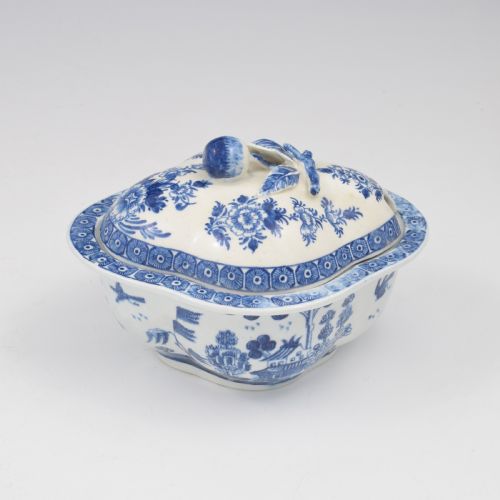
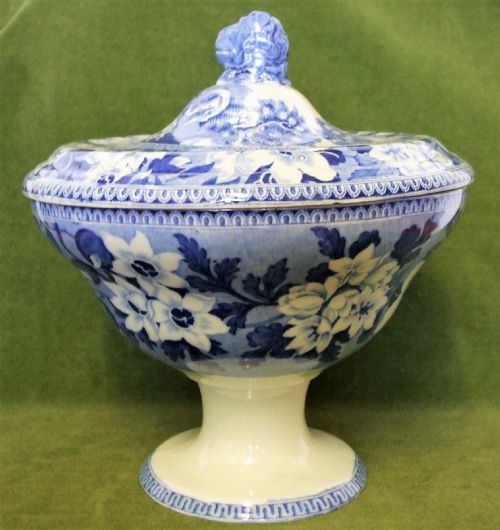
A ceramic sauce tureen is a covered vessel designed to keep gravies and sauces warm at the dining table, often accompanied by a matching stand and ladle. When searching this phrase, collectors encounter various forms ranging from Georgian earthenware to Victorian ironstone and porcelain.
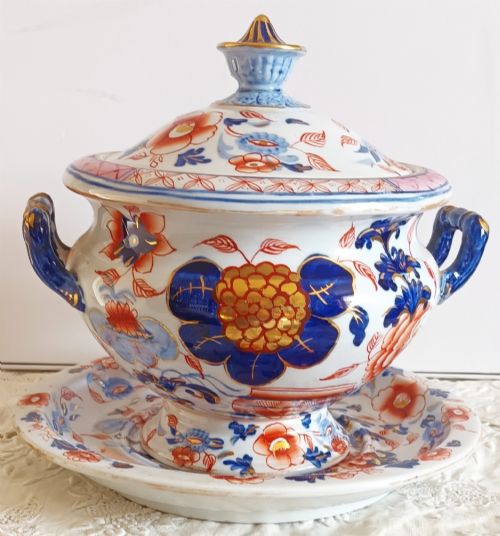
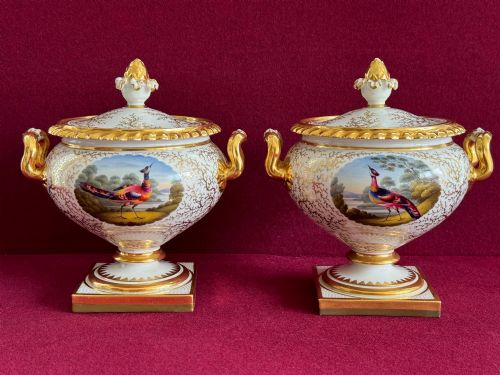
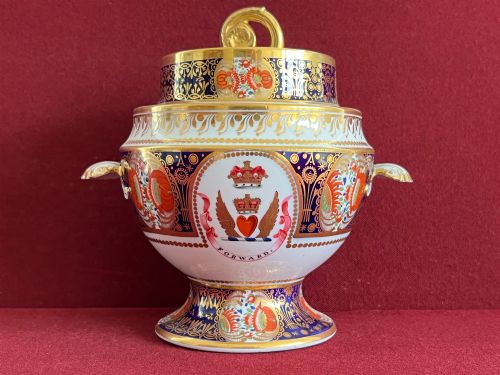
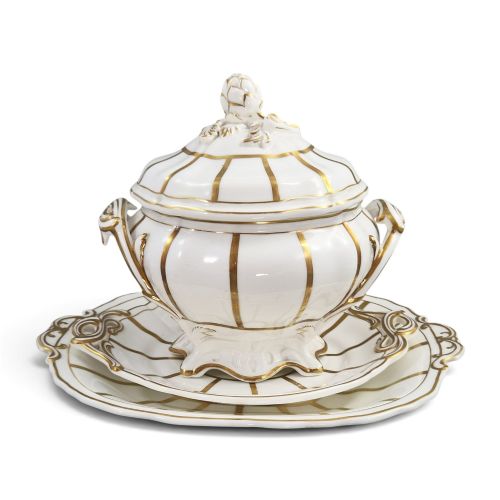
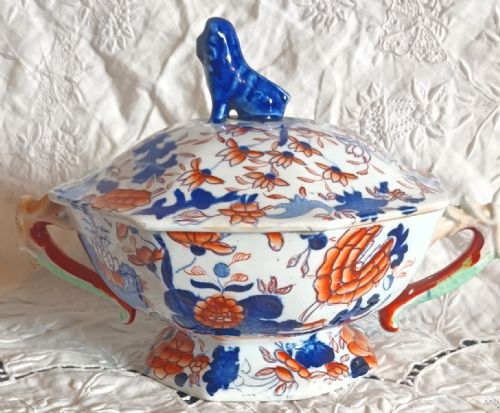
The pieces on this page lean heavily towards nineteenth-century English manufacture, with Regency porcelain and robust Mason's ironstone appearing frequently. Alongside these, eighteenth-century porcelain and faience pieces demonstrate the earlier origins of the form.
Most examples survive as individual vessels or pairs complete with their original covers, whilst some form part of larger dinner or dessert services. They range from utilitarian earthenware to finely painted porcelain intended for formal dining.
Materials and production methods
Potters utilised durable ironstone and refined earthenware for everyday service, alongside delicate porcelain body compositions for high-end dining tables. These ceramic bodies were shaped, glazed, and fired to create vessels capable of holding hot liquids.
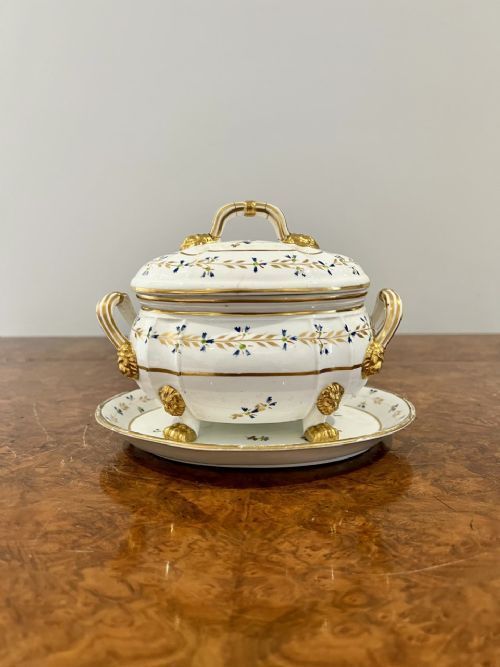
Decoration relied on hand-painted enamel colours, blue and white transfer printing, and applied gold leaf highlights. Many vessels incorporated moulded relief details such as gilt handles, lion heads, or shaped feet.
Factories employed specialised techniques like polychrome faience glazing and intricate transfer patterns, exemplified by distinct regional styles from English and continental potteries.
Ceramic Sauce Tureen Retail Price Guide 2026
Typical asking prices for ceramic sauce tureen among the pieces listed under this phrase on Sellingantiques today, from the lower quarter to the upper quarter. They describe what is for sale here now, not the wider market.
Among the birds and beasts gracing these tables, partridge-shaped tureens and elephant-pattern pottery stand ready to pour.
Determinants of quality
Quality rests in the crispness of the moulding and the precision of the ceramic body, where refined porcelain and dense ironstone demand greater skill than standard earthenware. Superior pieces display sharp relief work on handles and covers without distortion from the kiln.
Decoration separates standard output from exceptional pieces, particularly where hand-painted gilding, enamel work, and detailed transfer printing align with high artistic standards. The presence of matching stands and covers intact further distinguishes the finer examples.
Flight Barr and Barr·Chamberlain Worcester·Davenport Bone China·Derby Porcelain·Wedgwood·Mason s Ironstone·John Rogers and Son·Mintons·Doulton Burslem·Spode·Meissen
The Ceramic Sauce Tureen Glossary
- Ironstone
- A dense, durable type of earthenware patented in the nineteenth century to imitate porcelain while offering greater strength for domestic service. It resists chipping and formed the basis for many heavy-duty dining wares.
- Transfer print
- A decorative technique where an engraved copper plate applies a design onto paper, which is then transferred onto the ceramic surface before glazing. This method allowed for intricate blue and white patterns to be reproduced consistently.
- Enamel
- Opaque glass-like pigments applied over the glaze and fired at a lower temperature to add vibrant multi-coloured decoration to porcelain and pottery. It provides the bright reds, greens, and blues seen on patterned wares.
- Gilt
- A thin layer of gold leaf or gold paint applied to handles, rims, and borders for ornamentation. It denotes a higher grade of manufacture intended for wealthy households.
- Faience
- Tin-glazed earthenware produced in continental Europe, often featuring colourful hand-painted designs. Alcora pieces represent this tradition.
- Stand
- A matching ceramic dish or tray upon which the tureen rests to catch drips and protect the tablecloth. These components frequently become separated over time.
Ceramic Sauce Tureen: Frequently Asked Questions
What is a ceramic sauce tureen?
A ceramic sauce tureen is a small, covered serving dish specifically designed to hold and retain heat for gravies, creams, or sauces at the dining table.
They usually include a lid to keep the contents warm and often sit upon an integrated or matching underplate.
How were sauce tureens used historically?
These vessels were filled in the kitchen and brought to the dining table during formal meals so guests or servants could ladle sauce onto their food.
Because dining rooms were distant from kitchens, keeping sauces warm during long courses made covered tureens essential.
How do I care for antique pottery tureens?
Antique tureens require gentle hand washing in warm water using mild soap, avoiding modern dishwashers that can damage old glazes and wear away gilding.
Care should be taken with lids and handles, as these protruding parts are the most vulnerable to accidental impacts.
How can I tell Regency tureens apart from Victorian ones?
Regency tureens frequently exhibit neoclassical shapes, delicate porcelain bodies, and refined hand-painted Imari or blue and white motifs typical of the early nineteenth century.
Victorian examples often utilise heavier ironstone bodies, bolder transfer prints, and more exuberant moulding styles such as Rococo Revival.