




Ceramic Landscape Bowl
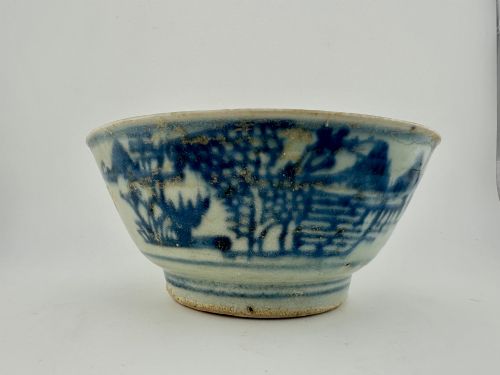
These ceramic landscape bowl examples combine pastoral scenes and hand-painted vistas across porcelain and earthenware bodies.
Ceramic Landscape Bowl
A ceramic landscape bowl brings painted vistas and pastoral scenes directly onto the surface of decorative and utilitarian vessels.
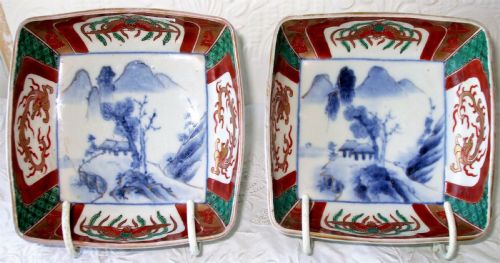
The versions most commonly met across these listings range from Georgian cabinet pieces and nineteenth-century Imari wares to transfer-printed English pottery.
Makers utilised various forms including cabinet bowls, porringers, and deep dishes to display expansive scenery in cobalt blue, enamel, and gilt.
Materials and construction methods
Potters shaped these vessels from porcelain, bone china, earthenware, and ironstone before applying intricate hand-painted or transfer-printed landscape motifs.
Many examples incorporate cobalt underglaze, enamel colours, and gold leaf highlights to define the horizon lines and architectural elements within the scenery.
Glazed ceramic finishes protected the pigments beneath during high-temperature kiln firings, preserving the tonal depth of rural and oriental views.
Ceramic Landscape Bowl Retail Price Guide 2026
Typical asking prices for ceramic landscape bowl among the pieces listed under this phrase on Sellingantiques today, from the lower quarter to the upper quarter. They describe what is for sale here now, not the wider market.
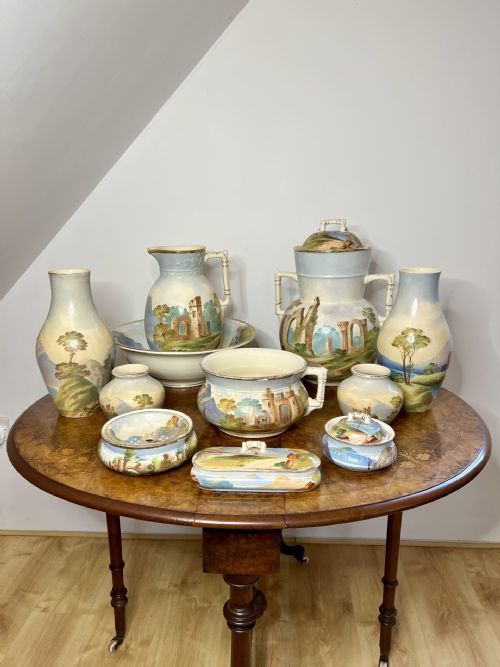
Rural scenery proved so popular that even nineteenth-century vegetable tureens were treated to expansive pastoral views.
Distinguishing finer examples
Quality rests upon the crispness of the topographical detail and the precision of the brushwork rendered across the landscape surface.
Finer pieces demonstrate superior control in cobalt underglaze or polychrome enamel application, where distant hills and foliage remain sharp rather than muddy.
The integration of gilding and the balance of the ceramic form itself separate standard production wares from cabinet pieces.
Richard Ginori·James Wallace And Co·Mintons
The Ceramic Landscape Bowl Glossary
- Cabinet bowl
- A decorative vessel intended for display rather than domestic service. These pieces usually feature detailed painted vistas.
- Ironstone China
- A durable type of earthenware patented in the nineteenth century. It provided a robust surface for transfer-printed landscape patterns.
- Cobalt Underglaze
- A blue metallic oxide pigment applied to the unfired ceramic body. It creates deep blue scenery beneath a clear protective glaze.
- Transfer-printed
- A mechanical method of applying complex engraved designs to pottery using tissue paper and prepared pigments.
- Porringer
- A small, shallow bowl often featuring handles or ears. They served various dining and functional purposes in historic households.
Ceramic Landscape Bowl: Frequently Asked Questions
How do I date a ceramic landscape bowl?
Dating relies on examining the ceramic body, glaze characteristics, and the style of the painted or printed vista. Georgian and nineteenth-century pieces often exhibit specific cobalt tones and potting techniques.
Maker marks and registration numbers underneath the base provide further clues to the exact decade of manufacture.
Were these bowls used daily?
Many items such as sugar bowls, porringers, and wash sets saw active domestic service in period dining rooms and bedrooms. Cabinet bowls, however, were created purely for visual display.
Usage patterns often determined the amount of wear visible on the interior glaze and gilt rims.
What subjects appear on the landscapes?
Motifs range from English rural scenery and pastoral cottages to traditional Japanese Imari patterns and classical European vistas. These scenes reflect the aesthetic preferences of the specific period.
Artists frequently titled the landscapes directly onto the base or interior of cabinet pieces.
How should I clean my bowl?
Careful dusting with a soft, dry cloth is usually sufficient for historic ceramic surfaces. Water and harsh detergents can damage delicate overglaze enamels and gold leaf.
Avoid submerging pieces with old repairs or vulnerable ironstone bodies in water for extended periods.