


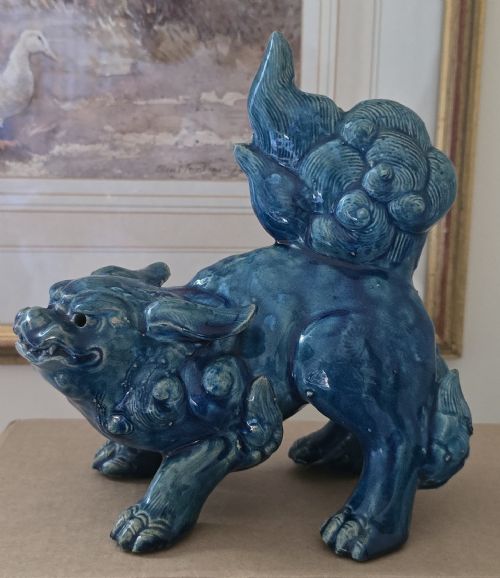


Ceramic Foo Dogs
Ceramic foo dogs are traditional guardian lion figures modeled in porcelain, earthenware, and pottery that bring historic Asian craftsmanship into a room.
Ceramic Foo Dogs
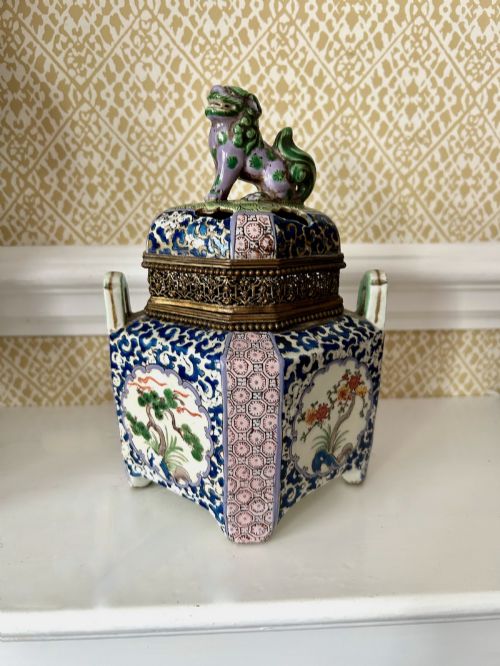
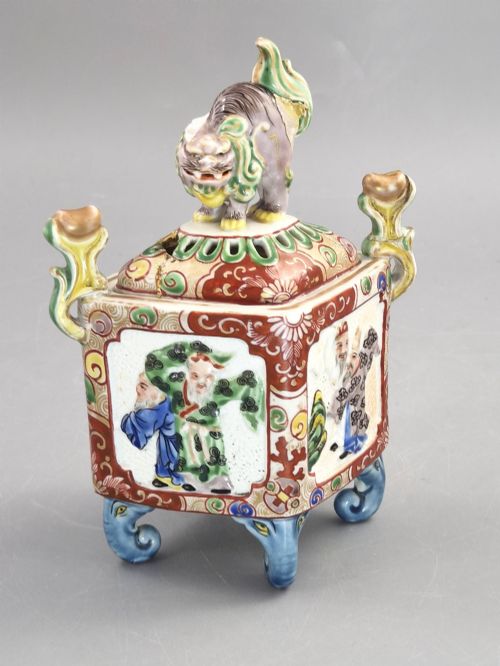
When you search for ceramic foo dogs, you encounter guardian figures, also known as Buddhist lions or shishi, originating from Chinese and Japanese traditions. These pieces appear as standalone decorative figures, fierce finials perched on incense burners, and paired sentinels guarding domestic spaces.
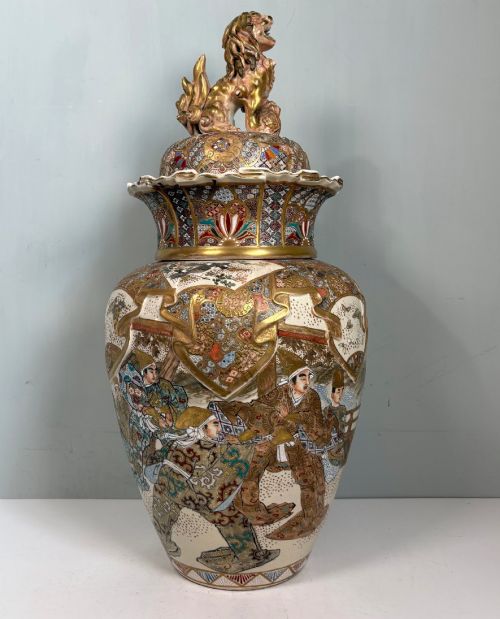
The selections span various centuries, with nineteenth-century examples forming the core of the current offerings. Chinese pottery and porcelain pieces sit alongside Japanese Meiji period models, reflecting a rich cross-cultural exchange of ceramic artistry.
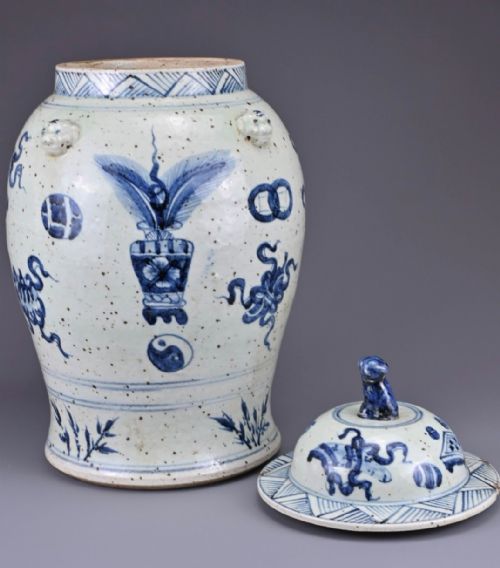
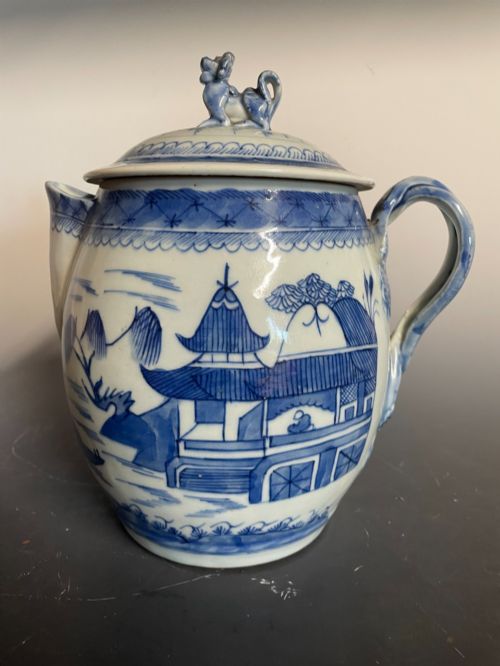
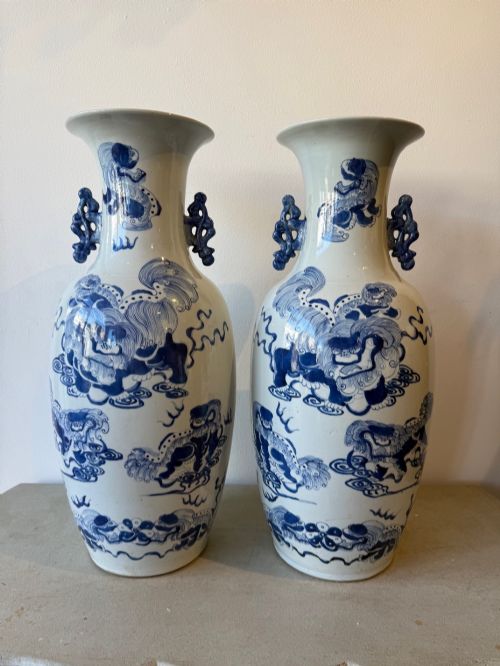
Makers and potteries from both nations rendered these creatures in diverse forms, from turquoise-glazed models to cobalt blue and white jars incorporating protective lion motifs. Buyers find pairs intended for mantelpieces alongside solitary temple jars and elaborate vases.
Materials and construction
Potters shaped these guardian figures using traditional ceramic bodies including dense porcelain, earthenware, and ironstone. Artisans then applied intricate glazes such as cobalt blue, vibrant enamel, and sancai tri-colour palettes to the moulded clay.
Surface ornamentation often involved hand-painted pigments, delicate gilt touches, and occasional gold leaf details. Kiln firing techniques determined the depth of the glaze, fixing rich turquoise, pale green, and wucai colours permanently to the ceramic surface.
Ceramic Foo Dogs Retail Price Guide 2026
Typical asking prices for ceramic foo dogs among the pieces listed under this phrase on Sellingantiques today, from the lower quarter to the upper quarter. They describe what is for sale here now, not the wider market.
Some guardian lions balance entire worlds on their paws while wearing expressions of mild astonishment.
Measures of quality
Quality rests in the modelling of the form, where spirited anatomical details and crisp facial expressions separate master works from mass production. The vigour of the stance and the precise hand-painting of the enamels indicate the level of skill involved.
The richness and stability of the glaze further define the tier of a piece, with smooth, even applications and clear cobalt tones commanding greater attention. Integration between the guardian figure and its vessel base also signals superior execution.
Samson Paris·Mason's Ironstone
The Ceramic Foo Dogs Glossary
- Karashishi
- The Japanese term for Chinese-style guardian lions, frequently rendered in Kutani porcelain and Bizen pottery during the Meiji period. They symbolize nobility, strength, and the warding off of evil spirits.
- Koro
- A traditional Japanese incense burner, often topped with a shishi finial. These vessels rest on decorative feet and utilise pierced covers to release scented smoke.
- Famille rose
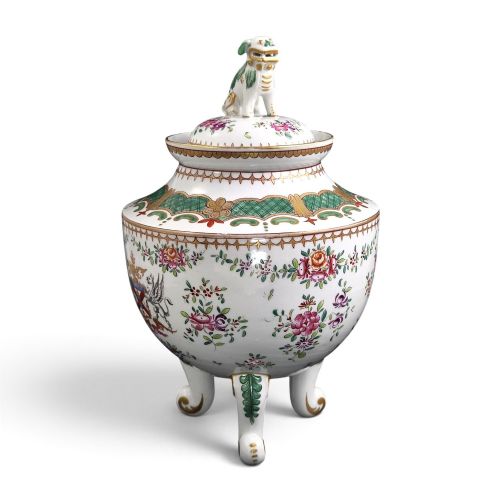
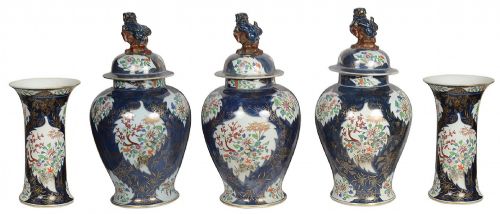
- A palette of opaque enamel colours introduced to Chinese porcelain in the eighteenth century, dominated by pink and rose hues. This decorative style reappears on nineteenth-century garnitures and vases.
- Sancai
- A traditional three-colour glaze system used on Chinese pottery, typically combining amber, green, and creamy white tones. The glazes merge naturally during the firing process.
Ceramic Foo Dogs: Frequently Asked Questions
Where should I place ceramic foo dogs?
Historically, guardian lions stood in pairs flanking entryways or household altars to provide spiritual protection and project authority. In contemporary settings, they sit comfortably on mantelpieces, sideboards, or flanking a focal point.
Positioning them facing outward toward doors or windows aligns with their traditional guarding role. This placement allows their decorative glaze and form to anchor a room's aesthetic.
What do the ball and cub signify?
Guardian lions are traditionally sculpted in male and female pairs, each interacting with a specific symbolic object under one paw. The male figure typically rests his paw upon an embroidered ball representing supremacy and the cosmos.
The female figure rests her paw upon a playful cub, symbolizing maternal care and the continuity of lineage. Together, they balance cosmic and domestic protection.
How do I care for antique ceramic figures?
Dust these glazed surfaces gently with a soft, dry cloth to prevent the accumulation of dirt within the intricate modelling. Avoid using chemical cleaners or abrasive materials that could harm delicate enamel or gilt decorations.
Keep pieces away from direct sunlight and areas subject to sudden temperature fluctuations to preserve the ceramic body and glaze integrity over time.