




Ceramic Flower Figurines
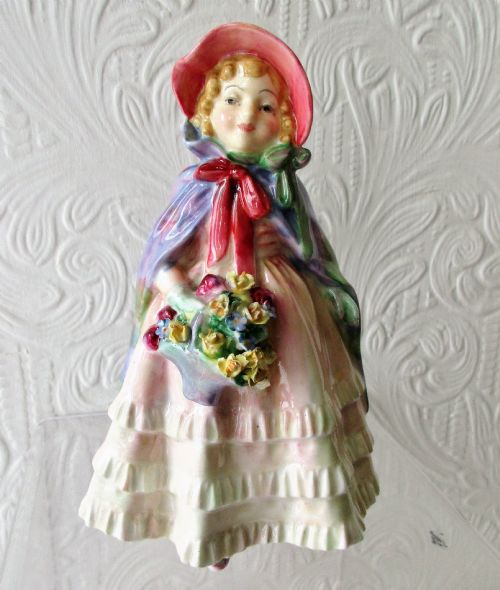
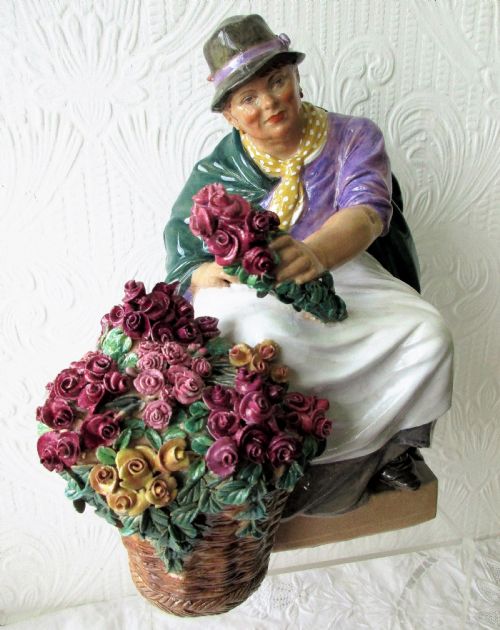
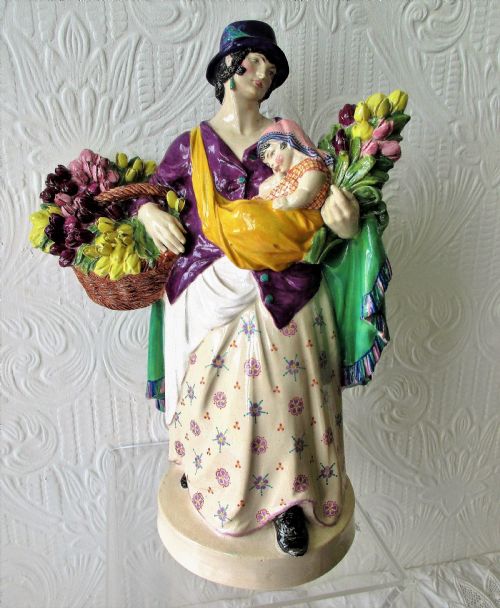
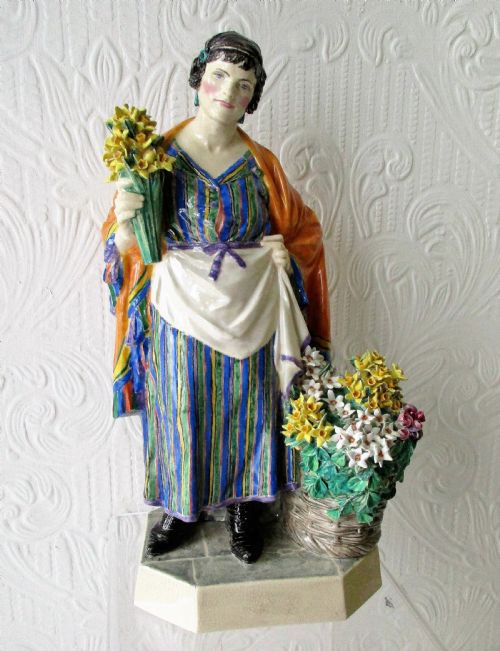
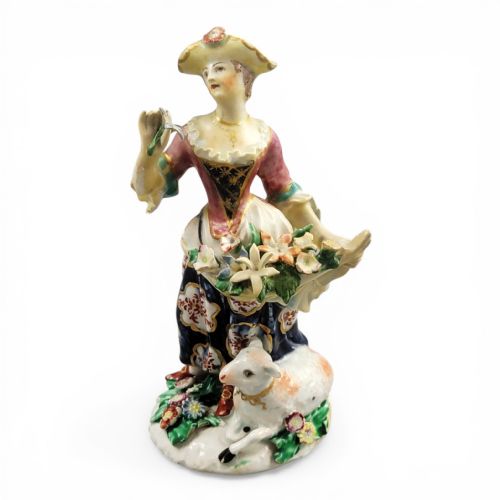
These ceramic flower figurines bring painted blossoms and sculptural human figures together, offering lasting colour for a room.
Ceramic Flower Figurines
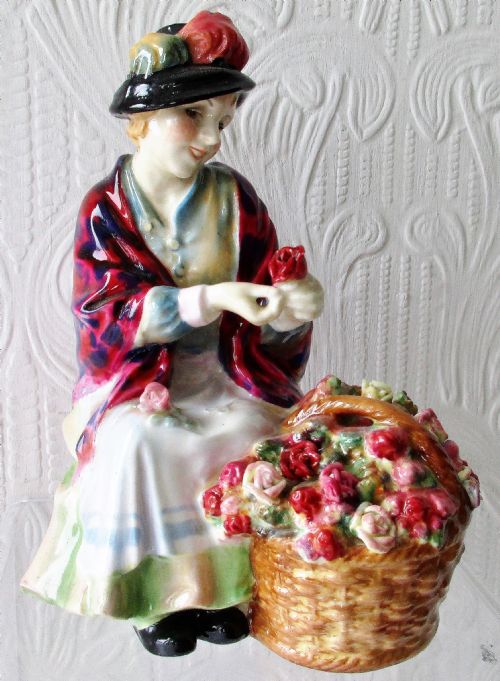
Ceramic flower figurines combine sculptural forms with botanical elements, ranging from solitary flower sellers to elaborate garden groups and bouquetiere figures. Buyers find examples spanning from the eighteenth century through the Georgian, Victorian, and Edwardian eras into the twentieth century, including pieces produced by English and Continental factories.
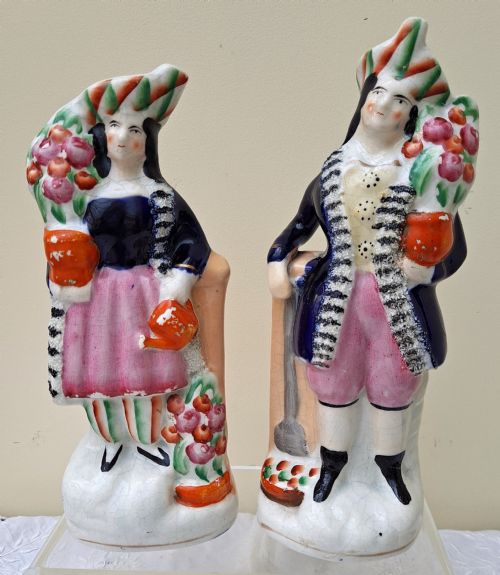
The nineteenth century provides many of the decorative figures seen here, particularly Staffordshire pottery gardeners and dogs alongside Victorian porcelain ladies. Earlier eighteenth-century pieces from Meissen, Derby, and Bow introduce finely modelled handlers of blooms and posy holders.
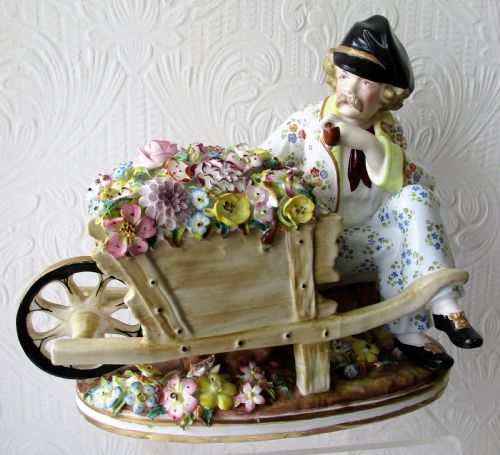
Later twentieth-century studio pottery figurines, such as those by Charles Vyse, sit alongside Royal Doulton and Royal Dux porcelain works. These pieces frequently take the form of market sellers, children with baskets, or garden carts laden with blossoms.
Materials and construction
Maker utilises hard-paste porcelain, earthenware, and studio pottery clays to shape these figures. Factories such as Meissen, Derby, and Bow relied on refined porcelain pastes capable of holding fine botanical detail, while Staffordshire potters worked in earthenware.
Makers applied polychrome enamel painting, glaze, gilding, and gold leaf to finish the sculpted surfaces. Hand-modelled petals and leaves required careful attachment before firing, sometimes accompanied by applied porcelain flowers in posy holders and chambersticks.
Ceramic Flower Figurines Retail Price Guide 2026
Typical asking prices for ceramic flower figurines among the pieces listed under this phrase on Sellingantiques today, from the lower quarter to the upper quarter. They describe what is for sale here now, not the wider market.
Several figures carry wheelbarrows and wicker baskets packed entirely with stubborn porcelain blooms that refuse to wilt.
Judging quality in figurines
Quality rests in the crispness of the modelling and the precision of the hand-painted enamel work across the petals and garments. Finer pieces retain intricate, independently formed leaves and delicate facial expressions without blurring in the glaze.
The sophistication of the factory output or studio design defines the standing of a piece, from early Derby and Meissen figures to studio pottery creations. Later Staffordshire works display a robust folk character, whereas continental porcelain focuses on elaborate Rococo Revival or floral ornamentation.
Charles Vyse·Royal Doulton·John Bevington·Meissen·Derby·Bow·Krister KPM Waldenburg·Minton·Kister, Scheibe-Alsbach·Dressel, Kister and Cie·Royal Dux
The Ceramic Flower Figurines Glossary
- Bouquetiere
- A figure or vessel designed to hold bunches of flowers. These often feature pierced sections or small containers integrated into the ceramic design.
- Hard-paste porcelain
- A durable ceramic material composed of kaolin and petuntse fired at high temperatures. It forms the body of many eighteenth and nineteenth-century continental figures.
- Enamel
- Opaque vitreous colours fused to the ceramic surface during firing. Painters applied these pigments by hand to render clothing and floral details.
- Posy holder
- A small ceramic receptacle attached to a figure for displaying fresh or dried stems. These items combine utility with decorative figural sculpture.
- Staffordshire pottery
- Earthenware produced in the industrial pottery district of England. Pieces from this region often depict rustic figures, animals, and gardeners.
Ceramic Flower Figurines: Frequently Asked Questions
How were these figures used?
Historically, wealthy households displayed these porcelain and pottery figures in parlours and drawing rooms as conversation pieces that demonstrated taste and refinement. Some variations, such as bouquetiere figures and chambersticks, served practical functions alongside their decorative sculptural qualities.
Collectors today place them on mantelpieces, side tables, and within dedicated cabinet displays to add historical colour and texture to interior spaces.
How do I care for antique porcelain?
Keep porcelain and earthenware figures out of direct sunlight to prevent the hand-painted enamel colours from fading over time. Dust them gently with a soft dry brush, avoiding harsh cleaning agents or immersion in water.
Ensure they rest on stable surfaces away from high-traffic areas, as applied floral elements and delicate ceramic digits are vulnerable to knocks.
How do I tell periods apart?
Eighteenth-century figures from factories like Meissen and Derby exhibit refined neoclassical or Rococo modelling with fine hard-paste bodies and delicate floral work. Nineteenth-century Victorian pieces often show bolder colours and heavier earthenware or porcelain construction, including Staffordshire pottery.
Twentieth-century studio pottery and Art Deco works introduce distinct glaze techniques and stylised forms associated with makers like Charles Vyse and Royal Doulton.