

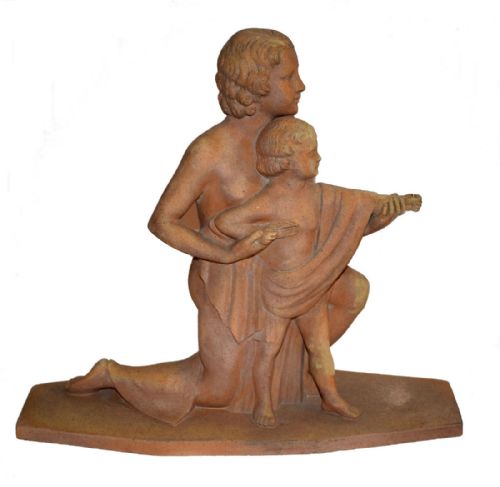


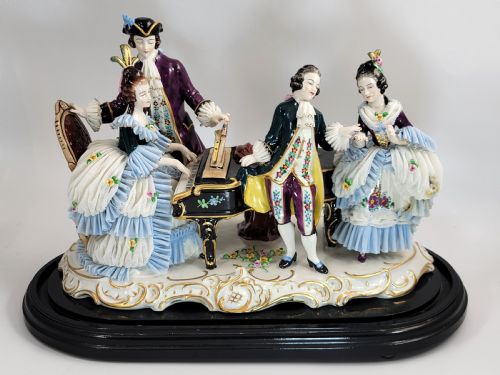


Ceramic Figural Group
These ceramic figural groups capture theatrical scenes and charming allegories, offering intricate detail and lasting sculptural presence for any room.
Ceramic Figural Group
When searching for a ceramic figural group, collectors encounter multi-figure arrangements spanning the eighteenth century through to the Art Deco era.
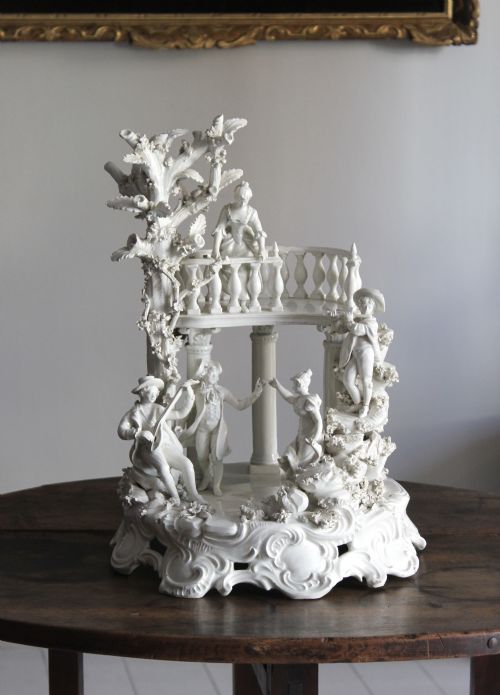
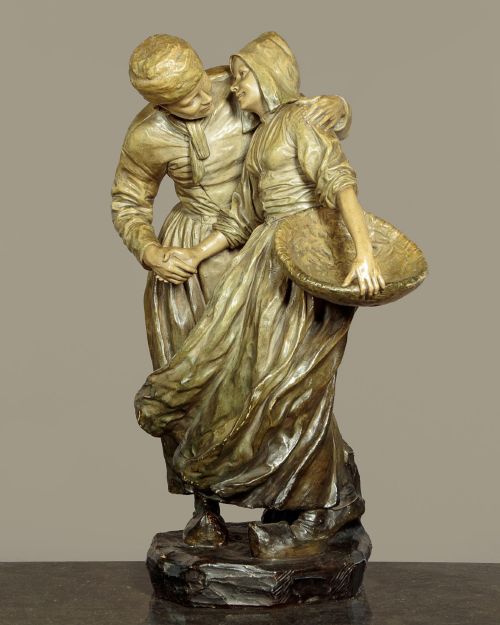
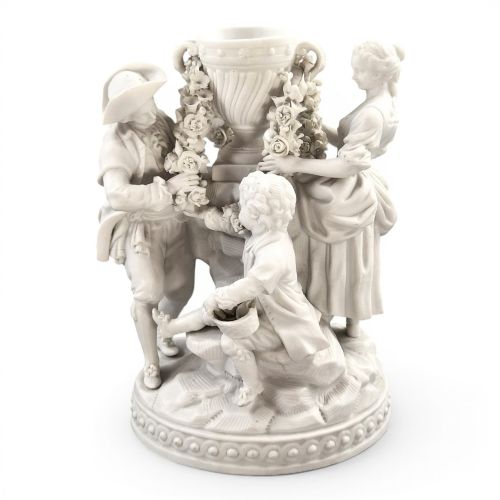
The selections on this page showcase porcelain, terracotta, earthenware, and bisque porcelain modelled as musicians, children, and mythological subjects.
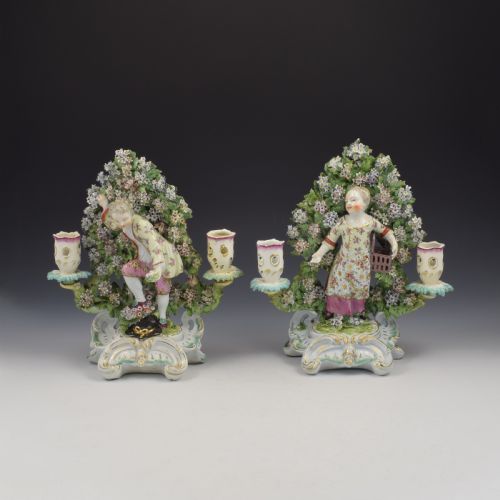
Forms range from large centrepiece bowls and candlesticks to standalone figurative sculptures rooted in Victorian and Rococo Revival aesthetics.
How they were made
Makers utilised hard-paste porcelain, earthenware, and terracotta, shaping the clay into expressive multi-figure compositions.
Many examples incorporate delicate biscuit porcelain, enamel painting, and touches of gold leaf or applied lace elements.
Modelss such as those from Meissen and Derby required expert firing and hand-finishing to support complex sculptural forms like floral garlands and bocage backgrounds.
Ceramic Figural Group Retail Price Guide 2026
Typical asking prices for ceramic figural group among the pieces listed under this phrase on Sellingantiques today, from the lower quarter to the upper quarter. They describe what is for sale here now, not the wider market.
The listings span the eighteenth century to the Art Deco period, featuring materials from terracotta and earthenware to hard-paste porcelain.
What varies in quality
Quality rests in the crispness of the modelling and the precision of the hand-painted enamel details across multiple figures.
Earlier eighteenth-century and nineteenth-century pieces display finer facial expressions and more intricate botanical or architectural surrounds than later mass-produced alternatives.
Goldscheider·Ernst Bohne Söhne·Meissen·Eugene Clauss·Derby·Vion et Baury·Royal Dux Bohemia·Copeland
The Ceramic Figural Group Glossary
- Biscuit porcelain
- Unglazed white porcelain that has a smooth, matte finish resembling marble. It allows sculptural details to remain exceptionally crisp.
- Bocage
- A decorative background of carved or modelled foliage and flowers common in eighteenth-century porcelain figures. It frames the central subjects.
- Hard-paste porcelain
- A durable ceramic composition fired at very high temperatures. It uses kaolin and petuntse to achieve a bright, vitreous body.
- Terracotta
- Fired unglazed clay ranging in colour from light orange to deep reddish-brown. It is widely used for larger sculptural groups and monumental figures.
Ceramic Figural Group: Frequently Asked Questions
Where should I display these figures?
Place your figural group in a stable cabinet away from direct sunlight and high traffic areas to protect projecting limbs and delicate accessories.
Ensure the shelf or mantelpiece supports the full base securely, as many nineteenth-century continental groups have considerable weight.
How can I tell the period?
Examine the paste, colouring, and modelling style alongside any factory marks pressed or painted on the unglazed base.
Victorian and Art Deco examples often reveal distinct stylistic cues, such as bolder geometric bases or softer matte bisque finishes.
What subjects do these groups show?
Common themes include classical mythology, theatrical musicians, allegorical figures of the seasons, and domestic scenes of childhood.
Many nineteenth-century continental workshops favored narrative compositions that told a clear story through expressive poses.