




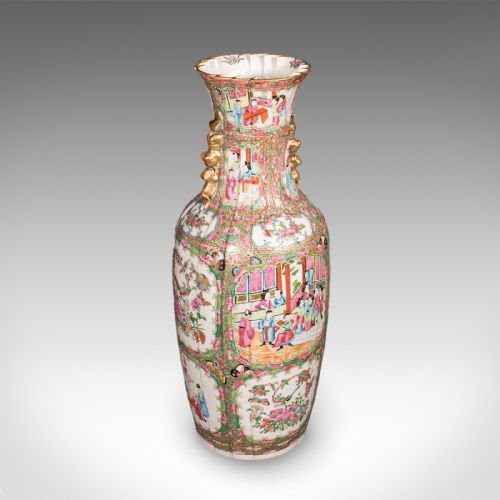
Ceramic Display Vessels
Ceramic display vessels are decorative objects made to sit on shelves and tables, bringing colour, form and history into a room.
Ceramic Display Vessels
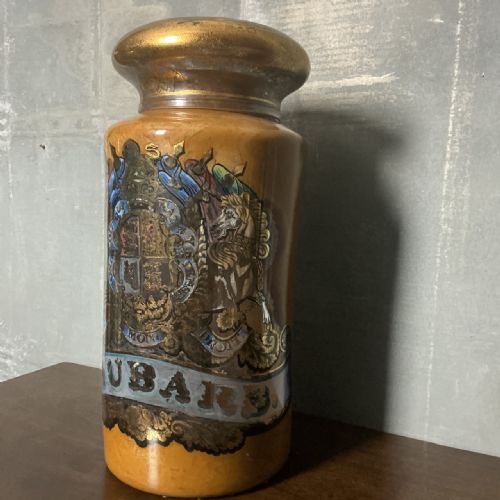
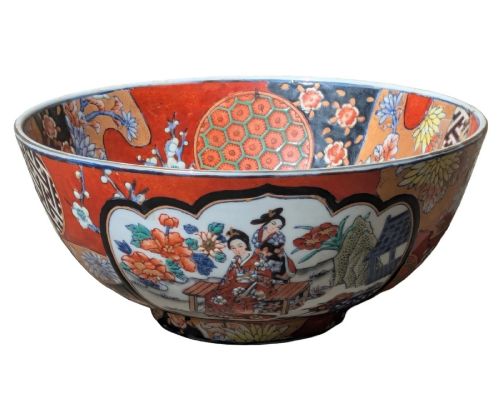
When you search for ceramic display vessels, you encounter a diverse range of objects designed primarily for visual appreciation rather than utility. These pieces span centuries of global ceramic tradition, including Japanese export wares, European porcelain urns and earthenware apothecary jars.
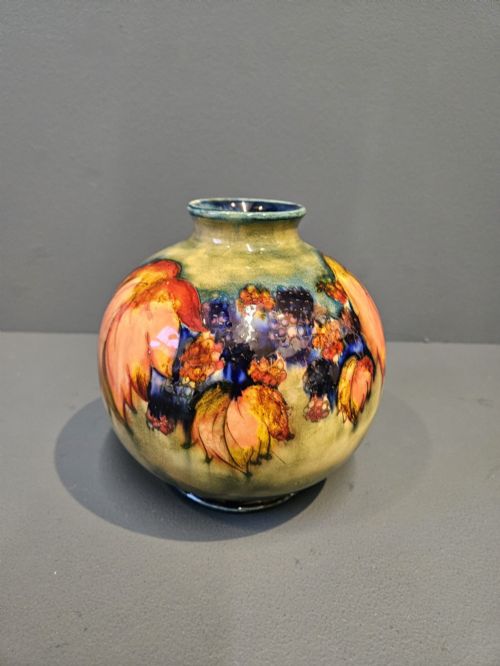
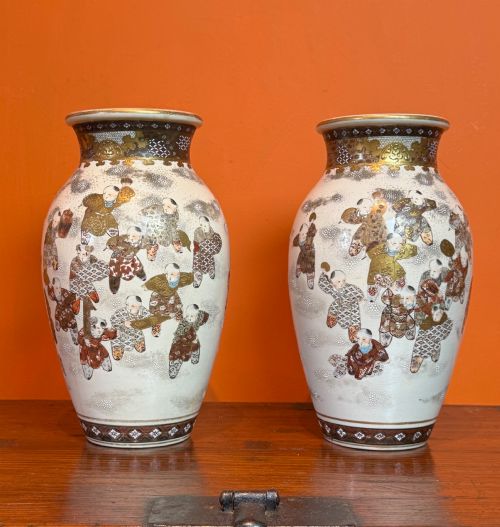
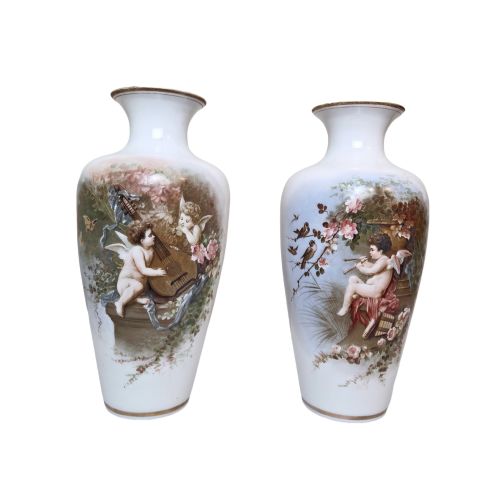
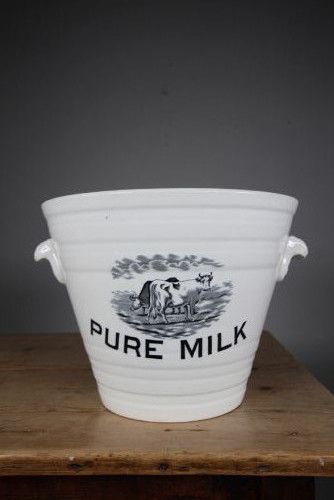
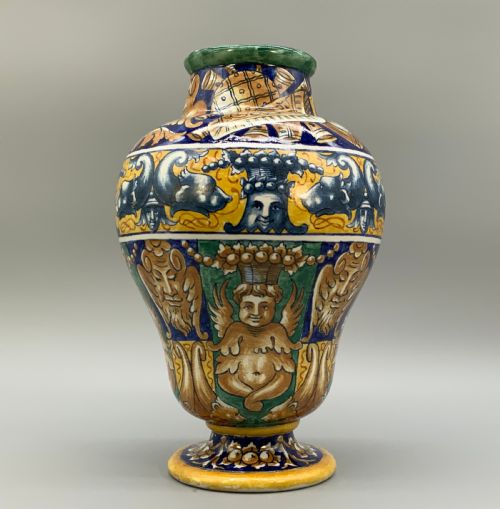
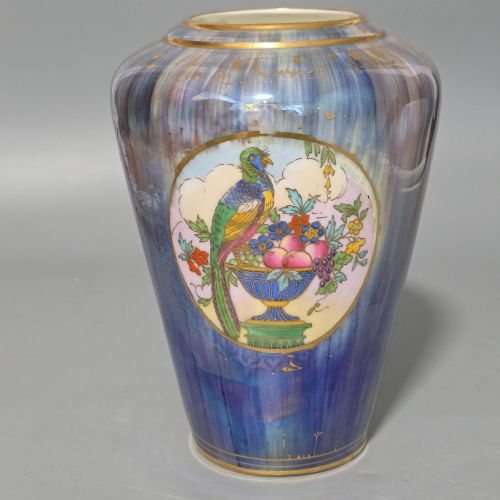
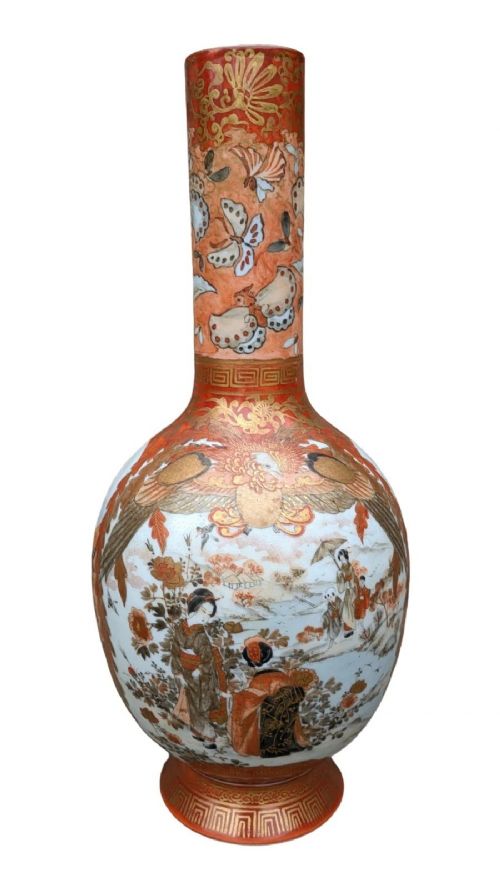
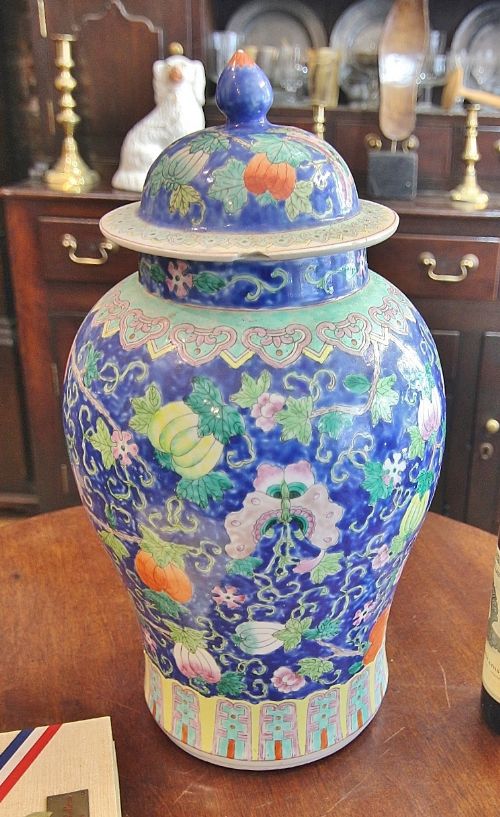
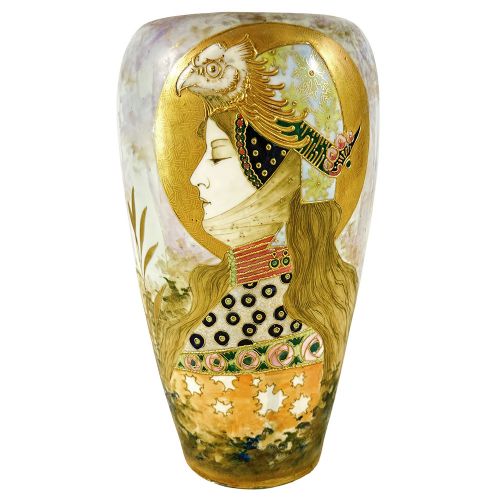
The selection on this page leans heavily towards Japanese Satsuma and Imari wares from the nineteenth and early twentieth centuries, alongside English decorative pottery from the Victorian and Edwardian eras. You will also find Chinese export bowls, Dutch and Belgian delftware, and continental porcelain pieces.
Forms vary widely from monumental temple vases and tea caddies to conical bowls, apothecary jars and centrepieces. Each vessel reflects the aesthetic priorities of its period of origin, whether that is the ornate hand-painted panels of Meiji Japan or the clean geometric lines of Art Deco.
How They Were Made
Potters relied on a foundation of earthenware, porcelain, ironstone or stoneware, shaped either on the potter's wheel or formed in moulds. Once shaped and fired to create a biscuit body, artisans applied glazes, enamels and metal leaf to the surface.
Decoration often involved intricate hand-painting utilising polychrome pigments, underglaze blues and heavy enamel work. Many pieces received additional layers of gilding or gold leaf, fixed through subsequent low-temperature kiln firings to achieve a brilliant metallic sheen.
Ceramic Display Vessels Retail Price Guide 2026
Typical asking prices for ceramic display vessels among the pieces listed under this phrase on Sellingantiques today, from the lower quarter to the upper quarter. They describe what is for sale here now, not the wider market.
Listings feature vessels spanning from the tenth century Nishapur buffware to twentieth-century Art Deco and Belgian ceramics.
What Varies in Quality
Quality rests in the precision of the brushwork and the depth of the palette, where the most accomplished pieces exhibit meticulous hand-painted detail rather than stencilled outlines. The clarity of the glaze and the crispness of moulded or incised motifs also distinguish finer examples from standard commercial output.
Signatures from recognised workshops, such as Kinkozan or specific studio marks, indicate higher status and superior execution. Furthermore, the preservation of delicate surface gilding and enamel without excessive rubbing determines the desirability of antique vessels.
Moorcroft·Reissner Stellmacher and Kessel·Royal Worcester·Wedgwood·Kinrin Workshop·Tokyo Taizan·Kinkozan
The Ceramic Display Vessels Glossary
- Satsuma
- A type of earthenware originating from the Satsuma province in Japan, typically characterised by a crackled ivory glaze and elaborate polychrome and gilt decoration. These vessels frequently depict historical scenes, figures and floral motifs.
- Imari
- Japanese porcelain decorated in underglaze blue, iron red and gilt, produced extensively for export since the Edo period. The patterns are dense and colourful, often incorporating floral and brocade designs.
- Earthenware
- Porous pottery fired at lower temperatures, requiring a glaze to become impermeable to liquids. It forms the body of many historical apothecary jars and majolica vessels.
- Moriage
- A Japanese ceramic technique involving the application of raised slip dots or lines to create a tactile, three-dimensional surface decoration. It is commonly found on Satsuma vases from the Meiji period.
- Apothecary jar
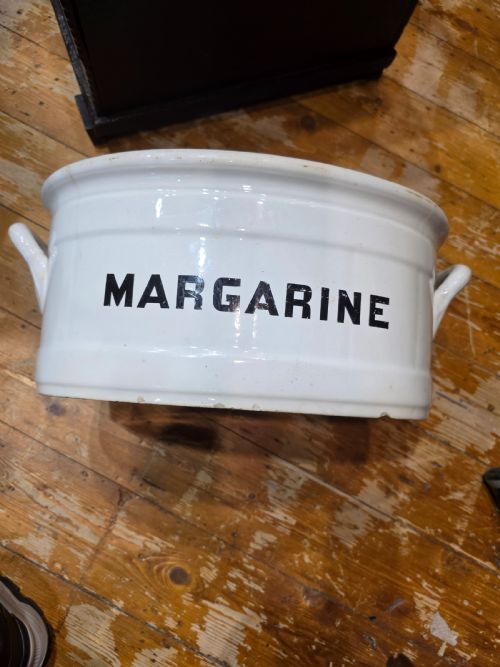
- A storage vessel historically utilised by pharmacists to hold dried herbs, liquids and medicinal compounds. These jars often feature painted labels and tin-glazed earthenware bodies.
Ceramic Display Vessels: Frequently Asked Questions
How were apothecary jars used?
Apothecary jars sat on pharmacy shelves to store medicinal herbs, syrups and dry ingredients. Their glazed interiors and tight covers protected contents from moisture and pests.
Over time, these vessels transitioned from working medical containers into decorative display pieces valued for their hand-painted labels and historical utility.
What is Satsuma ware?
Satsuma ware refers to Japanese pottery with a distinctive warm, ivory-coloured body covered in a fine network of crackled glaze. Artisans decorated these surfaces with detailed figures, landscapes and heavy gold leaf.
These pieces were largely produced for export to Western markets during the nineteenth and early twentieth centuries, satisfying a strong European demand for Japanese craft.
How do I display antique vessels safely?
Place ceramic vessels on stable, level surfaces away from heavy foot traffic or direct sunlight that might fade delicate enamel colours. Ensure the support can bear the weight, particularly with large porcelain or ironstone pieces.
Avoid crowded shelf arrangements where pieces might touch or knock against one another, and use museum putty for added stability if necessary.
How do I identify Imari porcelain?
Imari porcelain is readily identified by its distinct palette of cobalt blue, iron red, and abundant gold highlights applied over a white porcelain base. The patterns tend to be rich and symmetrical, often featuring floral arrangements or brocade panels.
Originating in Japan, this style proved immensely popular in Europe and inspired numerous local imitations during the eighteenth and nineteenth centuries.