




Ceramic Display Jars
These ceramic display jars bring together centuries of global pottery traditions, offering striking decorative presence for any room.
Ceramic Display Jars
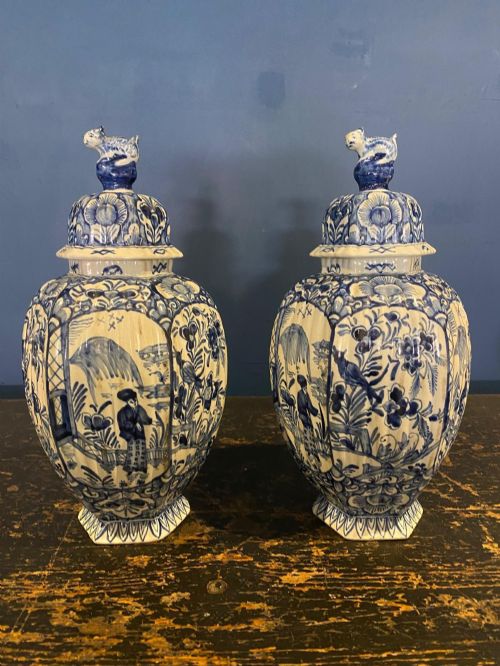
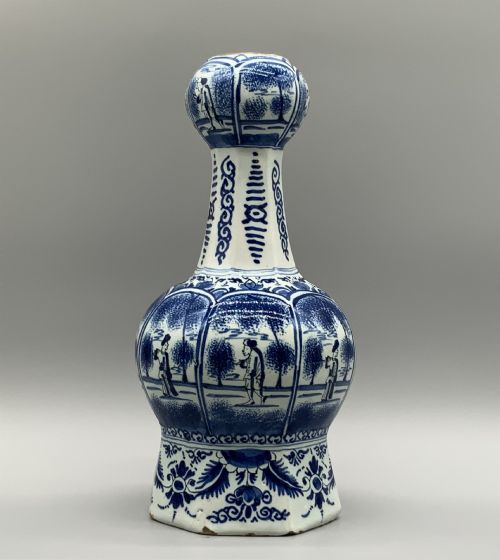
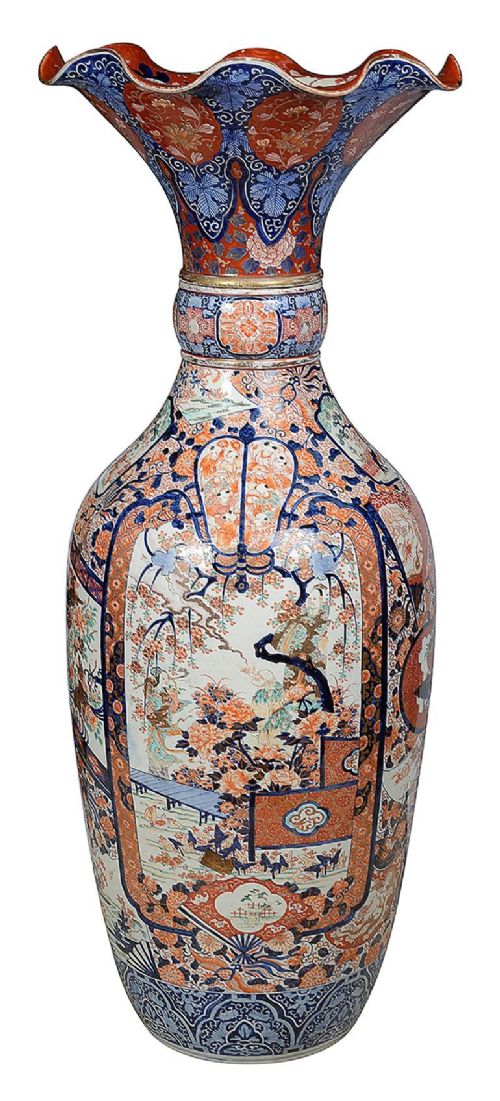
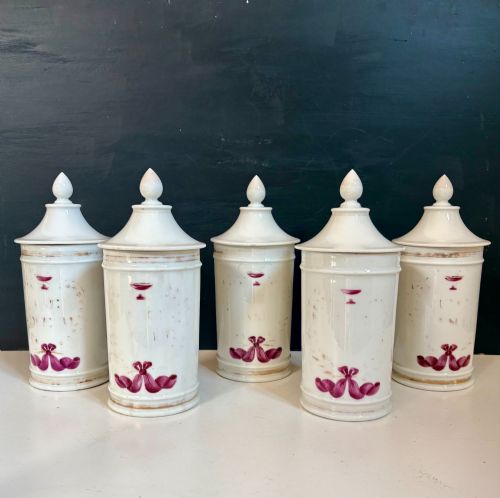
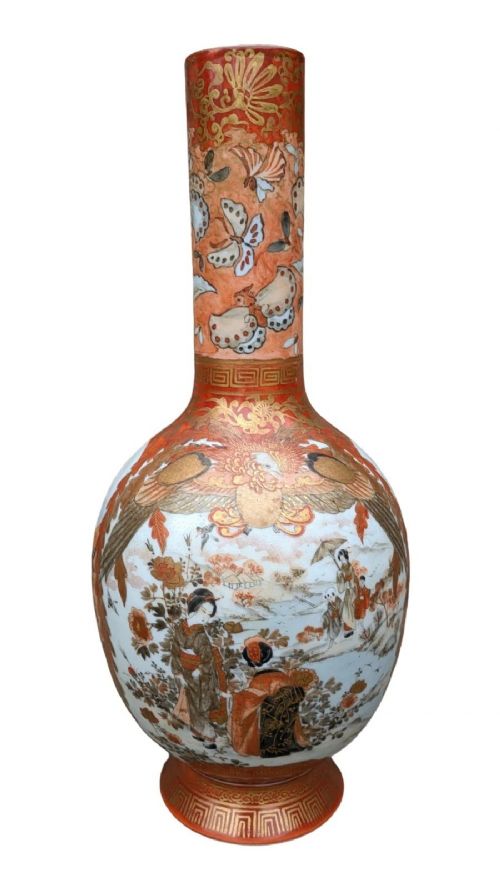
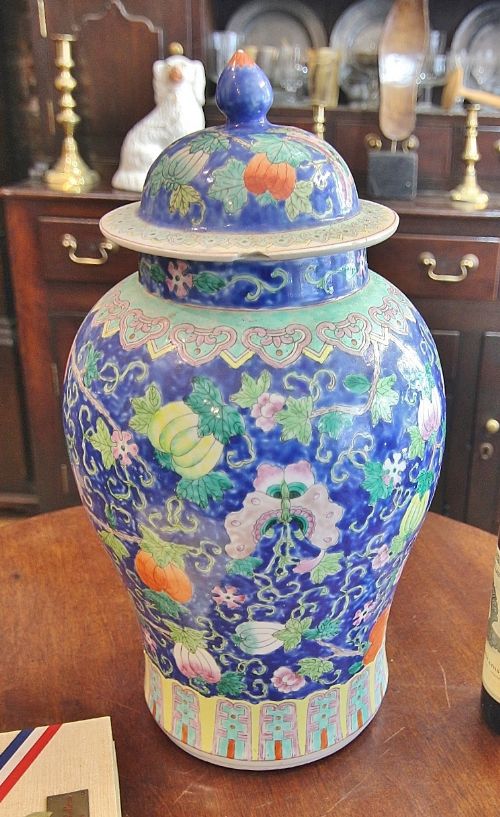
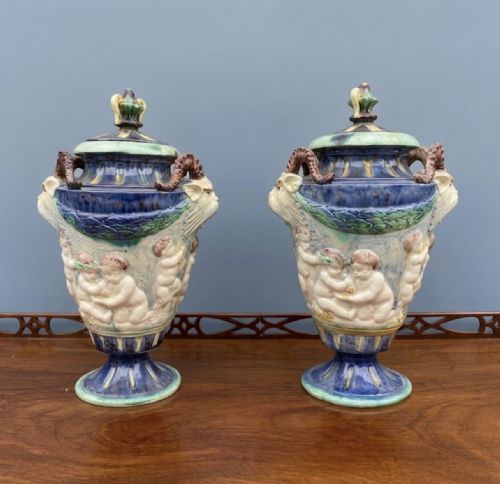
When searching for ceramic display jars, buyers encounter a diverse selection ranging from apothecary vessels to large decorative vases and urns. These pieces span multiple centuries, including seventeenth-century Dutch Delft examples alongside nineteenth-century Japanese Imari and Kutani creations.
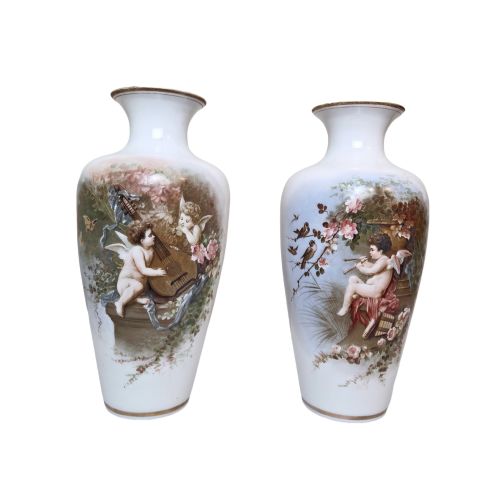
Buyers will find both individual statement vessels and matched pairs, often incorporating lids or covers. The selection accommodates various scales, from mantelpiece jars to massive floor-standing pieces intended to anchor a room.
Materials and methods
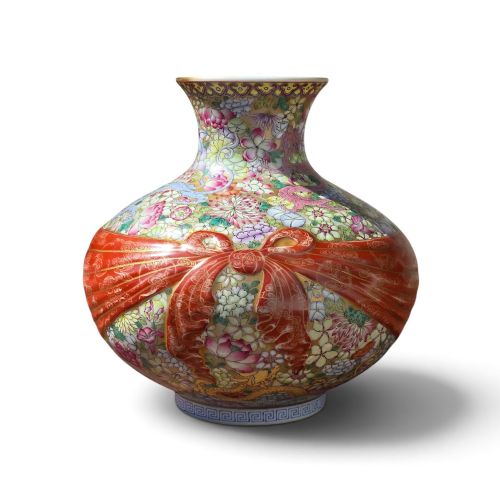
Potters utilised various foundational bodies including earthenware, tin-glazed earthenware and fine porcelain, shaping them manually or on the wheel. Artisans applied complex glazes and pigments such as cobalt blue, iron-red and polychrome enamels to achieve rich surface decoration.
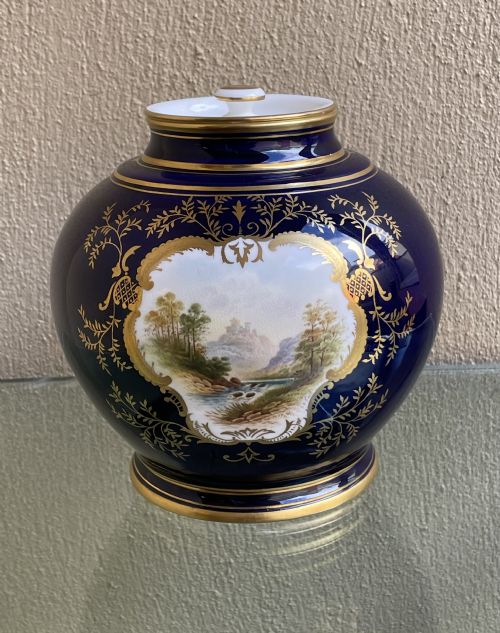
Many vessels incorporate elaborate finishing techniques, featuring applied gold leaf, intricate gilding and detailed hand-painted scenes depicting flora, fauna and figures. Firing these works required precise kiln temperature control to vitrify the ceramic body and set the delicate surface pigments.
Ceramic Display Jars Retail Price Guide 2026
Typical asking prices for ceramic display jars among the pieces listed under this phrase on Sellingantiques today, from the lower quarter to the upper quarter. They describe what is for sale here now, not the wider market.
Materials represented across the inventory include porcelain, tin-glazed earthenware, enamel and gold leaf.
Assessing quality and craftsmanship
Quality in these pieces rests upon the precision of the hand-painted brushwork and the clarity of the glaze, where finer examples display exceptional detail and controlled colour application. The sophistication of the form and the preservation of delicate embellishments like gold leaf further distinguish superior specimens.
The weight and balance of the ceramic body, alongside the successful execution of complex firing processes, mark the difference between standard productionware and masterworks. Intact covers and well-preserved surface decoration on older earthenware or porcelain significantly elevate the standing of a vessel.
Royal Worcester·Coalport·Kinrin Workshop·Tokyo Taizan
The Ceramic Display Jars Glossary
- Apothecary jar
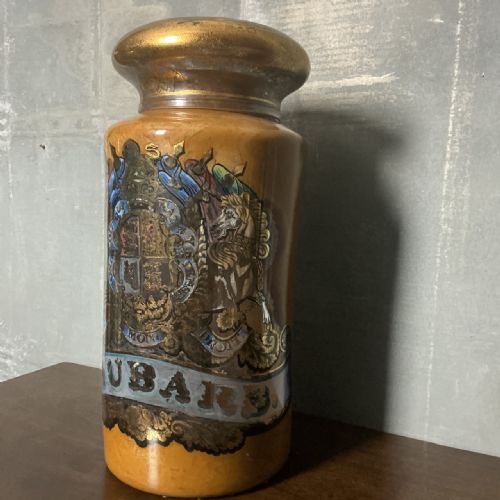
- A vessel originally utilised by pharmacists to store dry drugs, herbs or ointments. These jars frequently feature painted Latin labels or decorative cartouches.
- Imari
- A style of Japanese export porcelain characterised by a palette of underglaze blue, iron-red, and supplementary gilt highlights. This aesthetic proved highly popular across European markets.
- Tin-glazed earthenware
- Pottery covered with a glaze containing tin oxide, which dries opaque and white. It provides a smooth surface for painting decorative scenes in blue or polychrome.
- Kutani
- A style of Japanese coloured porcelain and pottery known for bold designs and extensive use of gold. Works from this tradition often depict figures, birds and natural landscapes.
- Chinoiserie
- A European artistic style reflecting Chinese artistic influences. Artisans applied these motifs to local ceramics and furniture to evoke an idealised Asian aesthetic.
Ceramic Display Jars: Frequently Asked Questions
What were ceramic display jars used for?
These vessels served various functions depending on their origin, ranging from storing dry medicinal goods in apothecary shops to acting purely as ornamental centrepieces in grand interiors. Many large lidded jars and urns were created specifically to showcase wealth and taste in reception rooms.
Over time, many utilitarian storage vessels transitioned entirely into decorative objects, prized for their artistic painted scenes and imposing scale.
How do I identify seventeenth-century Dutch Delft?
Dutch Delft pieces typically feature tin-glazed earthenware bodies decorated in blue and white with Chinoiserie motifs inspired by Chinese porcelain imports. Examining the glaze reveals a characteristic tin-opacified white surface that often shows subtle undulations.
Handling these pieces reveals the heavier, softer feel of earthenware compared to true porcelain, while stylistic markers point toward seventeenth-century Dutch painting conventions.
How do I clean antique ceramic display jars?
Dusting these vessels regularly with a soft, dry brush or microfibre cloth is generally sufficient for maintenance. Avoid using harsh chemical cleaners, abrasive sponges or excessive water, particularly on pieces with gold leaf, enamel or overglaze decoration.
Display the jars away from direct sunlight and areas prone to heavy temperature fluctuations to protect the glaze and ceramic body from gradual degradation.