



Ceramic Collection Plates
These ceramic collection plates span Japanese Imari, Georgian porcelain, and Victorian earthenware, offering the visual depth serious collectors look for.
Ceramic Collection Plates
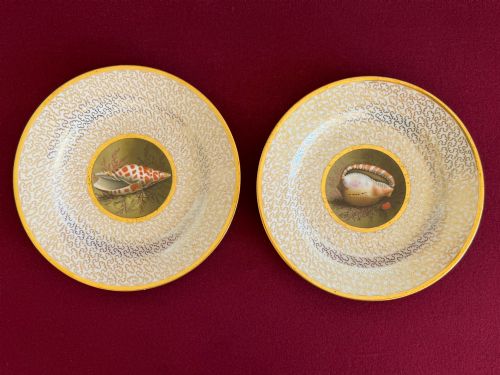
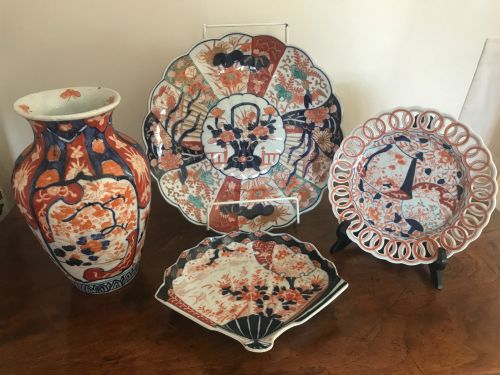
When you search for ceramic collection plates, you encounter an array of cabinet pieces, chargers, and decorative dishes spanning several centuries. The selection ranges from nineteenth-century Japanese Imari wares to Georgian porcelain and earthenware.
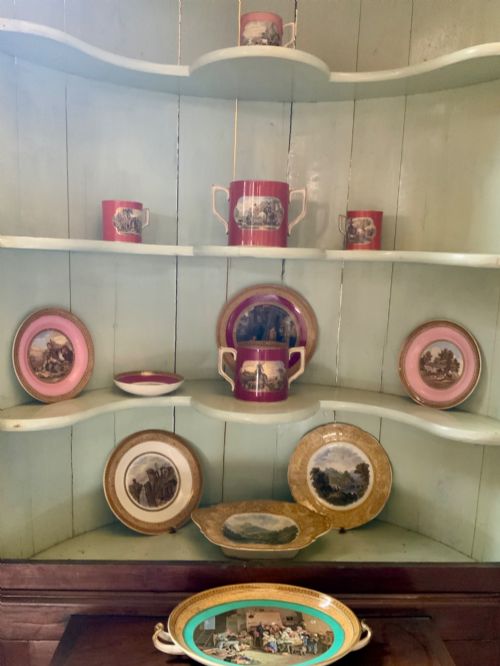
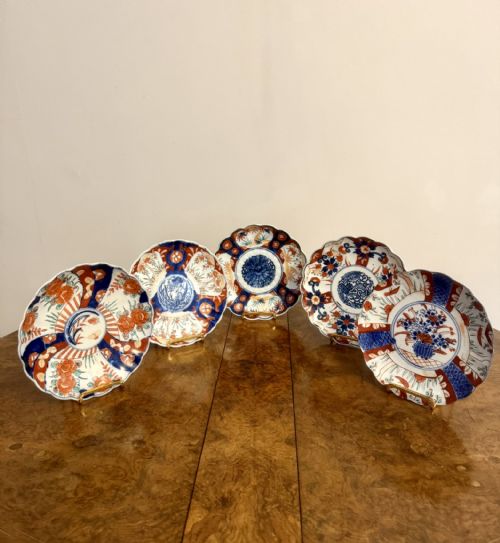
Most pieces you meet on this page are grouped sets rather than solitary items, reflecting how collections were originally formed and kept. These include matching sets of Imari plates, Spode transferware, and Staffordshire Prattware.
The objects serve primarily decorative functions, designed historically for display in cabinets or on walls rather than daily domestic service. Object types vary from miniature ceramics and scale pans to large chargers and toy dinner services.
Manufacturing and materials
The pieces utilise standard ceramic bodies including porcelain and earthenware, often finished with applied glaze. Overglaze enamels and gold leaf provide the intricate colour palettes seen on many nineteenth-century examples.
Techniques range from hand-painted Japanese Imari designs to transfer printing, as demonstrated by the Georgian Spode Italian pattern plates. Firing methods and enamel applications determine the durability and surface texture of each piece.
Ceramic Collection Plates Retail Price Guide 2026
Typical asking prices for ceramic collection plates among the pieces listed under this phrase on Sellingantiques today, from the lower quarter to the upper quarter. They describe what is for sale here now, not the wider market.
Listings feature periods spanning from Georgian and nineteenth-century English ceramics to Japanese Imari from nineteen hundred.
Assessing quality and craftsmanship
Quality in these plates rests upon the crispness of the painted or printed design and the stability of the glaze. Finer pieces display precise brushwork in overglaze enamels and minimal kiln distortion in the ceramic body.
Completeness within a collection or set also defines the tier of a piece, with matched multi-piece groups holding distinct visual weight compared to assembled groups. The sophistication of the palette, particularly the integration of gold leaf, separates standard items from exceptional ones.
Barr Flight and Barr·Spode·Bluett and Sons
The Ceramic Collection Plates Glossary
- Imari
- A style of Japanese export porcelain characterised by underglaze blue and overglaze red, green, and gold. This decorative scheme was widely imitated in Europe during the nineteenth century.
- Charger
- A large decorative plate used historically for formal dining display or as a base plate. These items dominate the visual field in cabinet displays.
- Prattware
- A type of English earthenware featuring underglaze coloured relief decoration. It is commonly associated with Staffordshire potters of the nineteenth century.
- Overglaze enamel
- Pigments applied over a fired and glazed ceramic surface and fixed with a second, lower-temperature firing. This technique allows for vibrant colour details.
- Scale pan
- A flat ceramic dish manufactured with suspension holes for use in weighing scales. These utilitarian objects form a distinct subcategory of nineteenth-century ceramics.
Ceramic Collection Plates: Frequently Asked Questions
How do I display collection plates safely?
Most decorative plates and chargers require specialised wall hangers or secure cabinet stands that distribute weight evenly across the ceramic body. Avoid using adhesive hangers that apply direct pressure to the glaze or overglaze enamels.
Ensure that display cabinets are placed away from direct sunlight and dramatic temperature fluctuations to protect fragile pigments and gold leaf details.
Can I use these plates for dining?
Antique ceramic collection plates are intended strictly for display rather than modern culinary use. Many older glazes and overglaze enamels contain components unsuited for food contact.
Furthermore, the delicate nature of nineteenth-century enamels and gold leaf means washing can easily damage the surface decoration over time.
What is the difference between Imari and Spode?
Imari refers to Japanese export wares featuring distinct iron-red, cobalt blue, and gold decorative schemes originating from the Edo and Meiji periods. Spode represents English ceramic production, often utilising transfer printing techniques such as the famous Italian pattern.
While English factories like Spode drew heavy inspiration from Japanese Imari aesthetics, the underlying ceramic bodies and manufacturing techniques remain distinct.
How are sets counted and kept together?
Many listings comprise matched groups of plates acquired together as a unified collection over decades. Keeping them together preserves their historical context and visual harmony.
When examining a grouped listing, check the uniformity of the patterns, backstamps, and sizing to confirm the relationship between individual pieces.