






Ceramic Cherub Figurine
These ceramic cherub figurine examples bring classical putti and winged figures into your interior from Georgian, Victorian, and later periods.
Ceramic Cherub Figurine
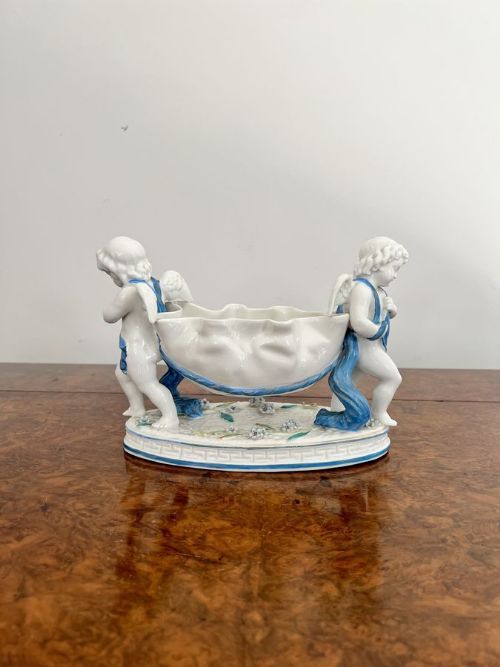
A ceramic cherub figurine represents winged mythological youths, putti, and allegorical figures in porcelain and earthenware forms. You will encounter individual figures, pairs, and complex sculptural groups integrated into sweetmeat dishes or centrepiece vases.
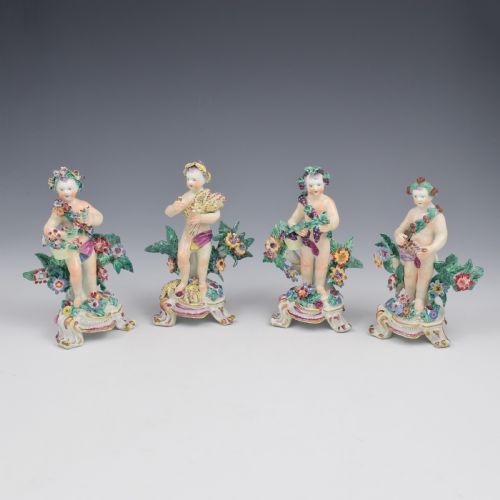
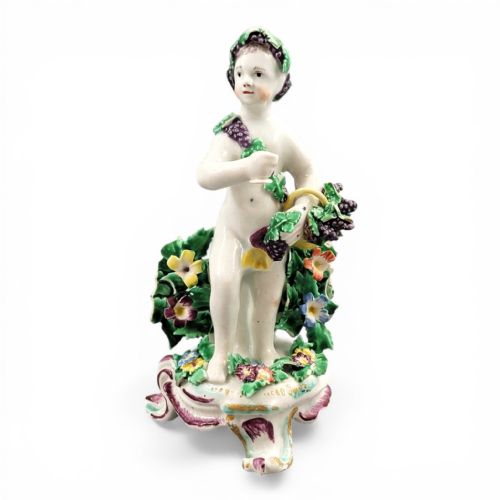
The selection ranges from eighteenth-century Georgian soft-paste allegorical sets to nineteenth-century continental figures and twentieth-century interpretations. These sculptures depict mythological themes, seasons, and playful putti holding attributes like hats or baskets.
English and continental factories shape these decorative objects across various aesthetics, including Rococo revival, Victorian styling, Art Nouveau, and Art Deco. Figures span simple single-figure studies to elaborate centrepieces featuring cherubs perched upon shells.
Materials and construction
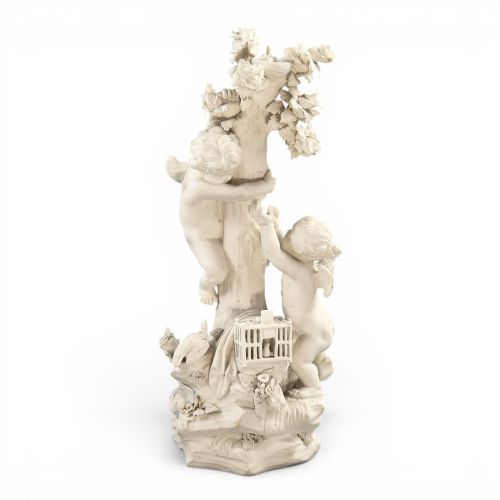
Makers utilise both soft-paste and hard-paste porcelain, finished with translucent glazes and biscuit porcelain surfaces that leave the material unglazed and matte. Biscuit figures highlight fine modelling details without the softening effect of a glossy dip.
Decoration often includes hand-painted enamel colours combined with gold leaf, gilding, and gilt accents to highlight wings, drapery, and base details. Surface treatments range from crisp polychrome painting to stark white blanc de Chine finishes.
Ceramic Cherub Figurine Retail Price Guide 2026
Typical asking prices for ceramic cherub figurine among the pieces listed under this phrase on Sellingantiques today, from the lower quarter to the upper quarter. They describe what is for sale here now, not the wider market.
Listings span multiple eras from the eighteenth century through the Edwardian period, utilising porcelain, enamel, and gold leaf.
Defining factors in quality
Quality rests primarily on the sharpness of the modelling and the precision of the hand-painted enamels. Superior examples retain crisp facial expressions, well-defined fingers, and cleanly rendered floral or architectural elements without blurring in the glaze.
The sophistication of the factory and the skill of the modeller dictate the desirability of the piece. Master modellers produce anatomical accuracy and dynamic poses that elevate simple decorative ornaments into notable sculptural works.
Derby·Bow Porcelain·Royal Dux Bohemia·Meissen·George Kemper·Royal Worcester·Volkstedt·Kerr & Binns·Karl Tutter·Royal Doulton·Johann Joachim Kändler
The Ceramic Cherub Figurine Glossary
- Putto
- A plump, naked male child figure frequently found in classical art and porcelain sculpture. They often appear with wings as cherubs or cupids.
- Soft-Paste Porcelain
- An artificial porcelain composition fired at lower temperatures than hard-paste. It possesses a warm tone and a distinctive glaze texture common in eighteenth-century pieces.
- Blanc de Chine
- A French term for white Chinese porcelain, later adopted to describe European white-glazed figures. This finish emphasises the purity of the sculptural form without enamel distraction.
- Sweetmeat Dish
- A small decorative bowl or receptacle used for serving confectionery. Cherub figures frequently support or adorn these table containers.
- Biscuit Porcelain
- Unglazed fired porcelain with a matte, marble-like texture. This finish was favoured for capturing delicate sculptural details.
Ceramic Cherub Figurine: Frequently Asked Questions
What distinguishes a cherub from a putto?
Art historians often use putto to describe a neutral mythological infant, while cherub implies a celestial being with religious connotations.
In porcelain figurine manufacturing, makers used these terms interchangeably to describe winged children holding attributes or supporting vessels.
How can I tell eighteenth-century pieces apart from later ones?
Early pieces from the Georgian period typically utilise soft-paste porcelain with subtle glaze variations and hand-modelled botanical additions.
Nineteenth and twentieth-century examples often employ harder porcelain bodies, sharper mechanical pressing techniques, and brighter enamel palettes.
Were these figurines meant for display only?
Many figures served as decorative ornaments on mantelpieces, brackets, or enclosed display cabinets.
Other examples functioned as practical dining table accessories, such as sweetmeat dishes and centrepiece bowls designed to hold sweets or fruit.
What is biscuit porcelain?
Biscuit porcelain is fired ceramic material left entirely unglazed with a matte, porous surface resembling fine marble.
This technique allows modellers to showcase intricate anatomical details without the pooling or rounding effects caused by liquid glaze.