

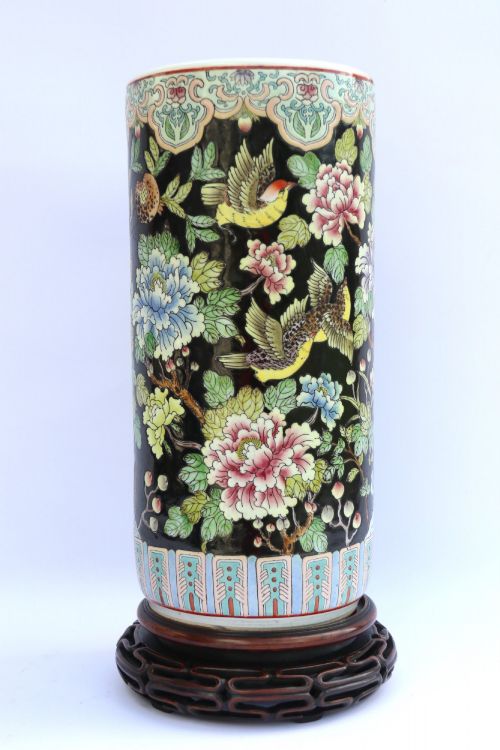


Ceramic Carving Stand
These ceramic carving stand examples bring together porcelain, pottery, and hardwood fixtures from the nineteenth and early twentieth centuries.
Ceramic Carving Stand
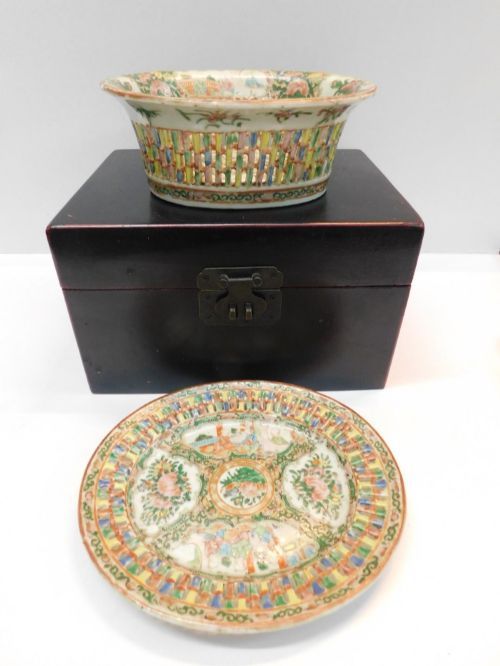
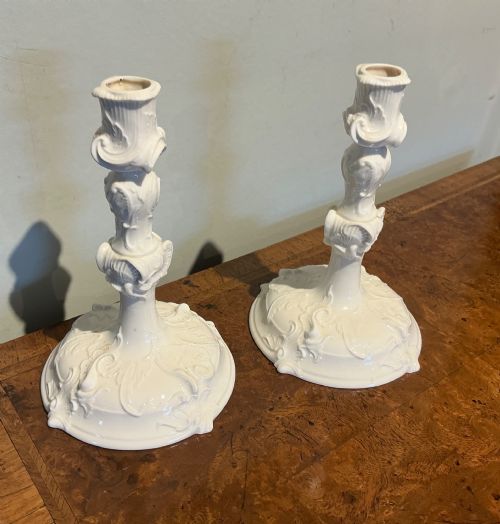
Most entries span the nineteenth century through the nineteen-thirties, taking the form of vases, bowls, and plant stands set upon timber or associated frames. Chinese Export, Meiji Period, and Edwardian examples predominate across the current selection.
Buyers encounter combinations of glazed porcelain, hardwood, and brass fittings, uniting ceramic bodies with stable display bases. These items reflect traditional presentation styles from various periods including Victorian and Edwardian eras.
Materials and construction methods
The ceramic elements utilise porcelain, pottery, and enamel, featuring glazed surfaces and hand-painted motifs such as famille rose, famille noire, and koi designs. Manufacturing techniques combine traditional pottery firing with detailed surface decoration characteristic of Chinese Export and Japanese workshops.
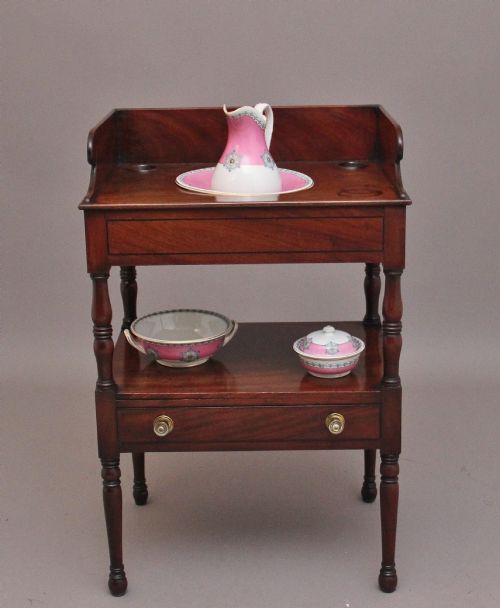
Supportive structures involve hardwood, oak, mahogany, walnut, and padouk, joined to display the ceramic vessels securely. Artisans turned, carved, and polished the timber stands to complement the specific profile and weight of each vase or bowl.
Ceramic Carving Stand Retail Price Guide 2026
Typical asking prices for ceramic carving stand among the pieces listed under this phrase on Sellingantiques today, from the lower quarter to the upper quarter. They describe what is for sale here now, not the wider market.
Some nineteenth-century Japanese vases wear lacquer over black paint like a cautious secret.
Assessing quality in stands and ceramics
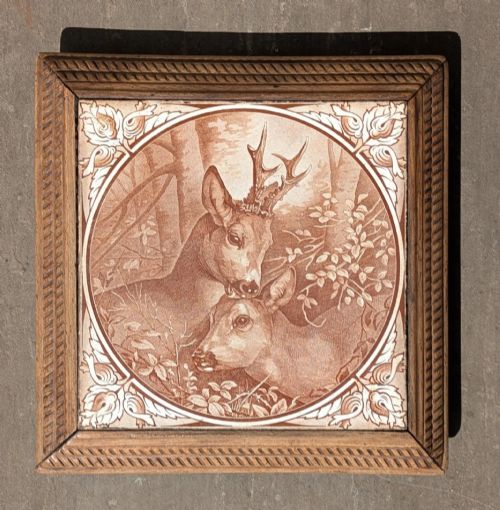
Quality separates items by the integration between the ceramic vessel and its support, noting whether a stand is original to the piece or associated later. Superior examples feature hardwood stands specifically carved to fit the contours of the porcelain.
The fineness of the ceramic glaze, the clarity of hand-painted details, and the density of the timber determine the standing of each piece. Finer items demonstrate crisp execution in both the pottery firing and the woodworking craftsmanship.
The Ceramic Carving Stand Glossary
- Famille rose
- A palette of Chinese porcelain enamel colours dominated by pink or opaque rose, popular during the Qing dynasty and later export wares. It allows for soft shading of floral and figurative scenes.
- Jardiniere
- An ornamental ceramic or pottery pot used for holding plants or flowers, often displayed upon a matching stand. They appear frequently in nineteenth-century and Edwardian interiors.
- Hardwood
- Dense, durable timber such as oak, mahogany, walnut, or padouk used to construct sturdy display stands. It provides the necessary weight and strength to support heavy porcelain vessels.
- Associated stand
- A display base that was paired with a ceramic vessel at a later date rather than being its original match. Collectors check for snug fits and matching period characteristics.
- Meiji Period
- The era in Japanese history spanning from 1868 to 1912, known for distinct porcelain and lacquer export wares. Pieces from this time often feature intricate painting and specialist mounting.
Ceramic Carving Stand: Frequently Asked Questions
What is a ceramic carving stand?
A ceramic carving stand refers to a combination of a ceramic vessel, such as a vase or bowl, paired with a supportive wooden or hardwood base.
These pieces integrate pottery with display furniture from periods spanning the nineteenth and early twentieth centuries.
Are the stands original to the porcelain?
Some pieces feature original hardwood stands made specifically for the vessel, while others use associated stands paired together later.
Examining the fit and timber type helps determine whether the base and ceramic vase belong together from their period of manufacture.
How do I care for wooden and ceramic items?
Keep porcelain and pottery clean using a soft, dry cloth to remove dust without disturbing glazed surfaces.
Maintain the hardwood stands with occasional polishing suitable for antique timber, avoiding excessive moisture on both wood and ceramic.
Which periods do these pieces come from?
The available selection includes items from the nineteenth century, Edwardian era, and early twentieth-century decades up to nineteen-thirty.
Styles range from Chinese Export and Chinoiserie to Meiji Period Japanese porcelain and Arts and Crafts pottery.